Protests Meet a Strange Response
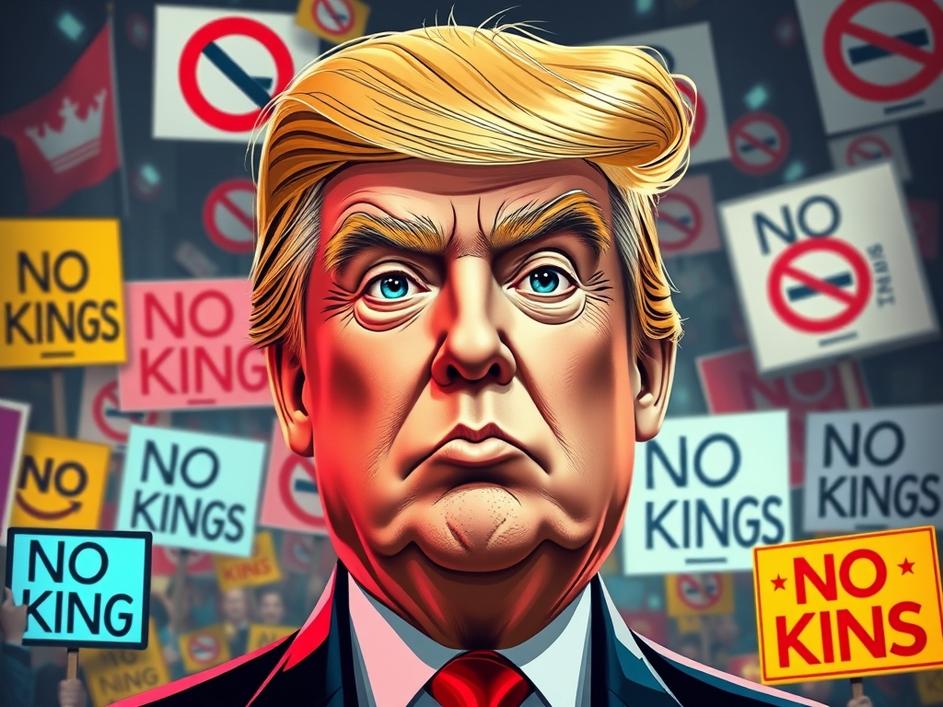
Recently, President Donald Trump found himself at the center of yet another unusual moment. After protestors held demonstrations against him with the slogan “No Kings,” instead of issuing a typical statement, Trump shared an AI-generated video that left many scratching their heads. The clip, which surfaced on his social media platform, showed a digitally crafted version of Trump doing something bizarre and crude in response to the protests. This reaction quickly caught attention not just for its content but for the strange tone it set in political communication.
The Power and Pitfalls of AI in Politics
It’s clear that artificial intelligence tools are becoming part of how public figures manage their image and respond to critics. But using AI to share such a provocative and offbeat message is risky. While it may have been meant to mock or dismiss protestors in a humorous way, the video crosses a line from playful jabs to something that feels more defensive and, frankly, awkward. This raises questions about the role of technology in public discourse when it blends with political theater and the potential consequences of such choices.
Why This Video Stands Out
What makes this video particularly noteworthy isn’t just the crude imagery, but the fact that it comes from a former president known for his unfiltered style. In past situations, Trump has used bold speeches or tweets to confront opposition. This time, he turned to an AI clip that’s bizarre enough to leave people unsure whether to laugh, cringe, or be concerned. It signals an evolving battlefield in politics where digital creations may replace traditional messaging — but not always effectively.
What This Means for Political Protest
The “No Kings” protests reflect a growing sentiment among some groups who reject what they see as authoritarian tendencies in leadership. The protests themselves are an important expression of democracy in action, where citizens make their voices heard. But Trump’s video response, although questionable in taste, shows how leaders sometimes try to turn protests on their head by using humor or shock value to disarm critics. Whether this tactic works is up for debate, but it often fuels more controversy than conversation.
Looking Ahead: The Strange New Norm?
As technology continues to advance, we’re likely to see more moments like this that blur the line between serious political communication and outright absurdity. Whether it’s AI videos, deepfakes, or viral memes, the tools for shaping public opinion are rapidly changing. For leaders, the challenge will be knowing when to engage with these tools and when it’s better to stick to straightforward dialogue. For the rest of us, it means staying alert and critical about what we see and hear, especially when the politics get weird.
In the end, the incident reminds us that politics isn’t only about policies and speeches anymore. It’s also about how messages are crafted and spread — sometimes in the most unexpected and bizarre ways. And while this may entertain or shock, it also underscores the need for thoughtful communication, even in the most heated moments.





Comments are closed