

We are a digital agency helping businesses develop immersive, engaging, and user-focused web, app, and software solutions.
2310 Mira Vista Ave
Montrose, CA 91020

2500+ reviews based on client feedback
What's Included?
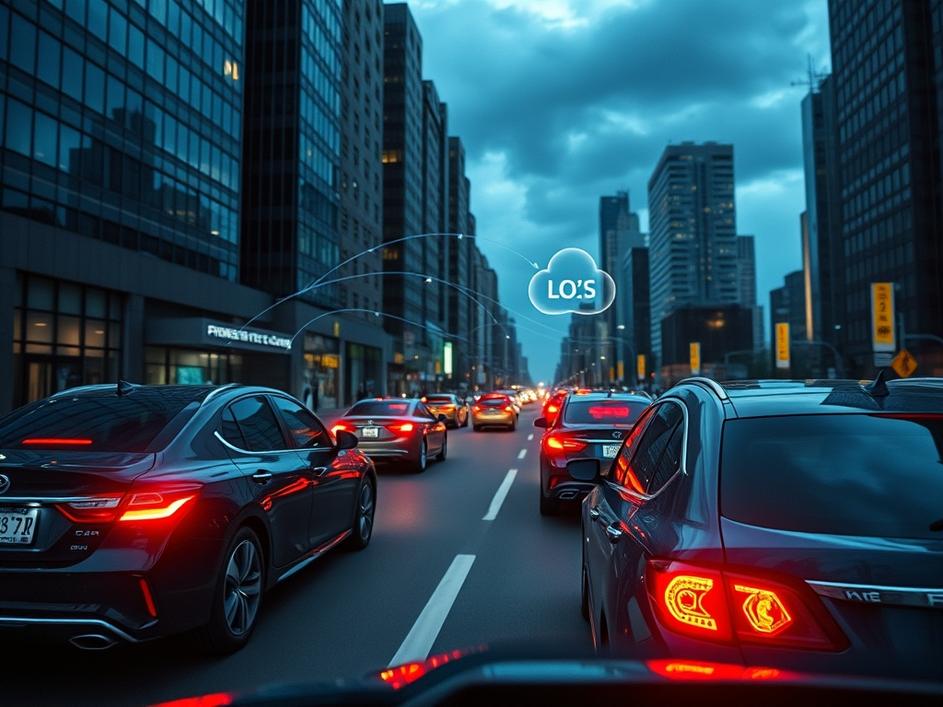
ToggleLast week a slide deck leaked from Flock Safety showed a plan that would turn everyday rideshare dashcams into a massive license‑plate scanner. The idea is simple on the surface: partner with Nexar, a company that already sells dashcams to Uber and Lyft drivers, and feed every captured plate into a central database. The presentation was meant for investors, but once it appeared online it sparked a wave of alarm. People started wondering if the cameras that were supposed to protect drivers from accidents would now be used to track where they go, who they pick up, and how often they cross certain neighborhoods. The notion of a private firm harvesting that kind of data feels like something out of a dystopian novel, yet the technology is already there, and the business case looks tempting for anyone who can sell location‑based insights.
The mechanics are surprisingly straightforward. Nexar’s dashcams already record video and can read license plates using optical character recognition. In the proposed model, each time a driver’s camera spots a plate, the image and the timestamp would be uploaded to Flock’s cloud platform. From there, the data could be matched against law‑enforcement feeds, commercial databases, or even advertising networks. Drivers would not need to do anything extra – the software would run in the background while they go about their daily routes. The company argues that the system could flag stolen vehicles, locate missing persons, or alert police to suspicious activity in real time. In theory, the data could become a powerful tool for public safety, but the same pipeline could also be repurposed for less noble ends.
Privacy advocates immediately pointed out the biggest problem: consent. Most passengers never sign a form allowing their license‑plate information to be stored and shared beyond the ride itself. Even drivers, who might be comfortable with a camera for safety, may not realize their vehicle is becoming a moving surveillance node. The data could reveal patterns about where people live, work, and socialize, creating a detailed map of community movement. Combine that with the fact that rideshare apps already know a rider’s pick‑up and drop‑off locations, and you have a recipe for an unprecedented level of personal profiling. Moreover, the data could be subpoenaed, sold, or hacked, exposing ordinary commuters to risks they never imagined.
Flock Safety and Nexar defend the plan by pointing to success stories where license‑plate readers helped catch thieves or locate runaway teens. They claim the technology can act as a force multiplier for police departments that lack the budget for their own camera networks. In their view, the partnership simply extends an existing safety feature – the dashcam – into a broader public‑good application. They also note that participation would be optional for drivers, and that any data shared with law‑enforcement would be subject to strict usage policies. The company’s narrative leans heavily on the promise of “safer streets,” hoping that the perceived benefit will outweigh the privacy trade‑off in the eyes of regulators and the public.
Across the United States, the legal landscape for license‑plate readers is patchy at best. Some states have enacted strict limits on how long agencies can retain plate data, while others allow indefinite storage. Adding a private entity into the mix complicates matters further, because it blurs the line between public surveillance and commercial data mining. Consumer groups have already filed complaints, arguing that the plan violates state privacy statutes and the Federal Trade Commission’s guidelines on data collection. Social media is buzzing with memes that picture rideshare cars as “big brother on wheels.” If the backlash grows, lawmakers may feel pressure to introduce new restrictions that could halt the project before it ever reaches the road.
The Flock‑Nexar proposal sits at the crossroads of technology, safety, and civil liberties. It forces us to ask whether the convenience of a few extra safety features is worth surrendering a layer of anonymity that most of us still assume exists in public spaces. A balanced approach might involve transparent opt‑in mechanisms, clear limits on data retention, and independent audits to ensure the information is only used for its stated purpose. Until such safeguards are in place, the idea of turning every Uber or Lyft ride into a roaming license‑plate scanner will likely remain controversial. The conversation is just beginning, and the outcome will shape how far private companies can go in the name of security without stepping over the line into surveillance.
Source: Original Article


Comments are closed