

We are a digital agency helping businesses develop immersive, engaging, and user-focused web, app, and software solutions.
2310 Mira Vista Ave
Montrose, CA 91020

2500+ reviews based on client feedback
What's Included?
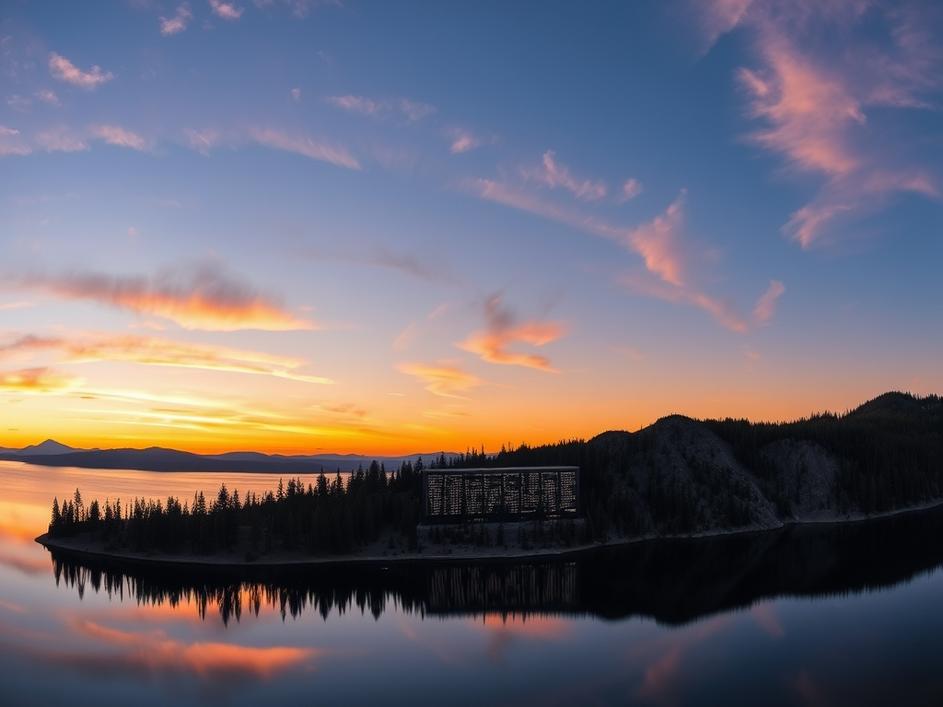
ToggleLake Tahoe has long been known for its crystal‑clear water and the steady hum of hydroelectric turbines that turn the lake’s natural flow into clean electricity. For decades the surrounding communities have relied on that power to heat homes, run schools, and keep the tourist economy humming. Recently, a new kind of customer has shown up at the edge of the reservoir: massive AI data centers that need a constant, cheap supply of electricity. The developers behind these facilities have signed long‑term contracts to tap into the same hydro‑generated power that locals have depended on for generations. It feels like a quiet lake is being asked to shoulder a load it was never built for, and the first signs of strain are already appearing in the local conversation.
Training a large language model or running an inference server 24/7 is nothing short of a power‑hungry marathon. The servers need stable voltage, low latency, and most of all, cheap electricity that can keep the racks cool without breaking the bank. In remote mountain regions, the cost of building new power plants is prohibitive, so companies hunt for existing grids with surplus capacity. Tahoe’s hydro system offers exactly that: renewable, relatively inexpensive, and already connected to high‑speed fiber lines. The result is a perfect storm for tech firms that want to scale quickly while keeping operating costs low. It’s a logical business move, but it also puts pressure on a system that was designed for a very different scale of use.
When word spread that the lake’s main energy source was being earmarked for AI farms, residents gathered at town halls, signed petitions, and even filed lawsuits. Many families have lived on the shore for generations, watching the same sunrise and depending on the same water‑powered grid. They argue that diverting that power threatens not only their electric bills but also the ecological balance of the lake itself. Some worry about increased water temperature, while others fear that the grid could become less reliable during peak demand. Community groups have organized clean‑up days and educational campaigns to remind officials that the lake’s value isn’t measured just in megawatts.
Supporters of the data centers point to job creation, tax revenue, and the prestige of hosting cutting‑edge technology in a scenic area. They claim that the economic boost could fund better schools, improved roads, and even more environmental projects. Critics counter that any short‑term gain may be offset by long‑term damage to tourism, property values, and the health of the watershed. The debate boils down to a classic question: how do we let innovation thrive without sacrificing the natural assets that make a place livable? Some experts suggest a middle ground—requiring data centers to invest in additional renewable projects, energy storage, or demand‑response programs that ease pressure on the grid during peak times.
What the future holds for Lake Tahoe’s power mix is still uncertain. If the AI industry continues to grow at its current pace, demand for cheap, reliable electricity will only increase. That could push regulators to rethink how the lake’s hydro resources are allocated, perhaps carving out protected baselines for residential use while allowing a limited share for commercial tech. On the other hand, advances in cooling technology, edge computing, and more efficient algorithms could reduce the overall energy footprint of AI, easing the conflict. The community’s voice will be crucial in shaping any policy adjustments, and the outcome may serve as a template for other regions facing similar pressures.
Lake Tahoe stands at a crossroads where natural beauty meets digital ambition. The decision to let AI data centers tap into the lake’s main energy source is more than a technical contract; it’s a test of how we value our environment against the lure of rapid technological growth. By staying informed, speaking up, and demanding creative compromises, residents can help ensure that the lake remains a place where people can still fish, ski, and breathe clean air, even as the world around them becomes increasingly powered by artificial intelligence.


Comments are closed