

We are a digital agency helping businesses develop immersive, engaging, and user-focused web, app, and software solutions.
2310 Mira Vista Ave
Montrose, CA 91020

2500+ reviews based on client feedback
What's Included?
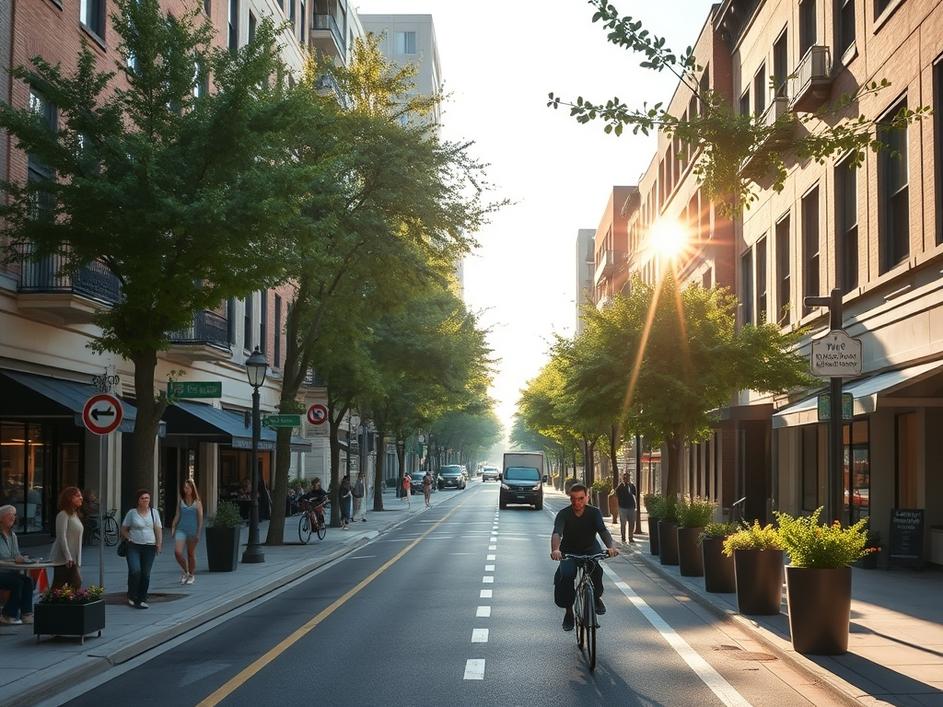
ToggleLast month the city rolled out a bold move. A busy downtown corridor became car-free on weekends. Protected bike lanes and wider sidewalks followed. The aim is simple: cut pollution, slow traffic, and give people space to move. The change felt dramatic at first. Drivers slowed down and pedestrians breathed easier. Friends who usually ride the bus decided to walk instead, just to test it out. Local cafes saw more foot traffic as people lingered outside. Officials say this is a test, not a forever rule, and they want honest feedback. The plan isn’t about banning cars so much as reshaping the routes we use every day. If it works, it could teach other neighborhoods how to swap asphalt for air and light.
This move signals a shift toward health, climate, and livability. It puts people first, not engines. Streets are being redesigned to encourage walking and cycling, not just to move cars faster. That means tradeoffs. Some drivers lose a direct route; delivery schedules must adapt; parking feels tighter. The city adds more streetside seating and bus shelters, with the goal of making daily trips easier for those who can’t or won’t own a car. If we measure success by fewer emissions and more everyday chances to talk to neighbors, the plan starts to look practical. If we measure it only by commute time, it will feel painful. The real test is whether these changes make life calmer without breaking essential services.
Curious shifts show up in shop windows and morning chatter. Foot traffic has risen in areas opened to pedestrians, and some shop owners report a nicer, slower pace that invites lingering. Others worry about deliveries and the cost of adapting. E-commerce couriers complain about tighter lanes and loading zones that aren’t built for big trucks. The city counters with clearer rules and flexible hours for commerce. The plan nudges small businesses to rethink hours, inventory, and how they meet customers. So far, the mood is a mix of cautious optimism and real concern. If the street stays a bit more human, some shops might gain a longer, steadier flow of customers.
People are the real test of any big move. Some residents feel safer with fewer cars zipping by, especially pedestrians and kids on bikes. Others feel pinched by new rules that require extra steps to reach a store or a service. Accessibility is not a side note here. Signage, curb cuts, and reliable transit matter as much as nice sidewalks. Equity comes into play too. Does the plan help lower-income families who rely on city buses, or does it slow their trips? The signs of life on the street tell stories. A mom chatting with a barber, an older man learning to ride again with a volunteer coach, a student meeting a friend outside a cafe. City planning is also about those moment-to-moment experiences.
Data will decide the fate of this idea. The city plans to track air quality, traffic speeds, and business performance, plus resident satisfaction. If numbers look good, the changes could widen. If not, tweaks will come fast. The big question is scaling without losing the vibe. Will weekends alone be enough, or should the plan expand to more days and more streets? Will transit get stronger in the same period? The risk is that a well-meaning project becomes fragile if people feel their needs are ignored. The best path blends design and service: better buses, clear routes, safe crossings, and a path to easy car access for emergencies and deliveries.
Cities don’t have to go all in or nothing. They can test, adjust, and listen. This experiment shows that streets can be kind once we ask a few simple questions: Who uses this space most? What do we need to feel safe and connected? The answer is not the same for every neighborhood, but the mindset matters. If we keep the conversation honest and the data honest, we may see real improvements—not just cleaner air, but calmer days and more chances to bump into our neighbors. In the end, the street belongs to the people who walk it, ride it, or wait for it to come back to life.
Comments are closed