

We are a digital agency helping businesses develop immersive, engaging, and user-focused web, app, and software solutions.
2310 Mira Vista Ave
Montrose, CA 91020

2500+ reviews based on client feedback
What's Included?
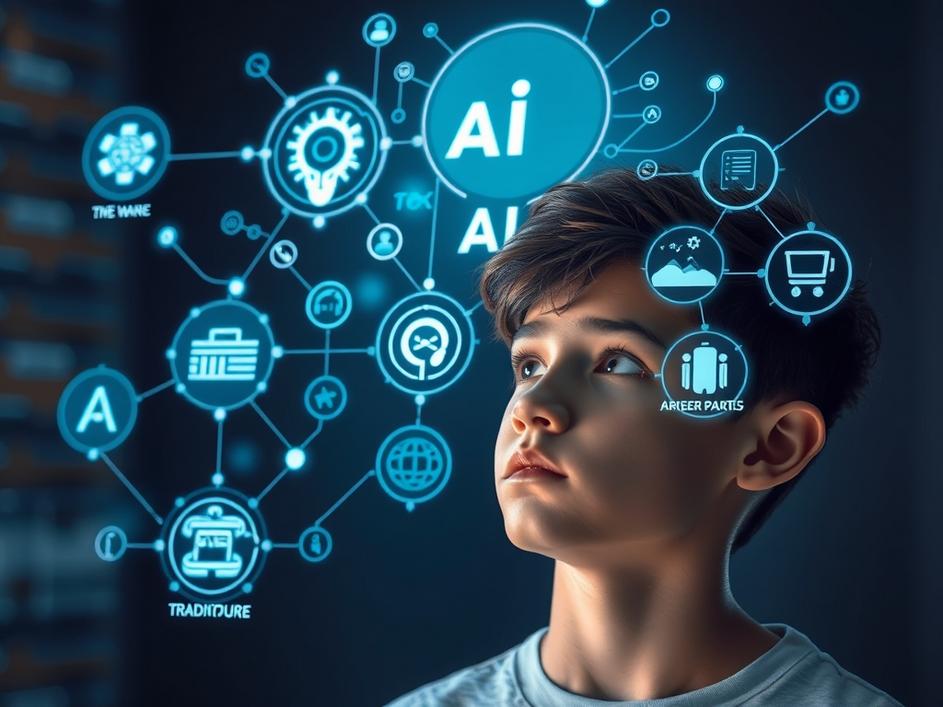
ToggleFinishing school is a huge moment. You finally get your degree, feel excited, and have a head full of ideas. The next logical step? Finding that first real job, your entry point into the career world. For many generations before, this meant looking for roles that taught you the basics, even if they started simple. But if you’re part of Gen Z, especially in the last couple of years, it likely feels like those doors are harder to open. There’s a new challenge in the room, and it’s not just the usual competition for good roles. It’s technology, specifically Artificial Intelligence, and it’s changing the game fast, making the path ahead feel less clear than ever.
The numbers are starting to show a clear trend: fewer job openings for young adults, especially those between 22 and 25 years old. This isn’t just a feeling; studies indicate that the number of available entry-level positions has dropped noticeably since 2022. Why is this happening? A big part of the explanation points directly to AI. Think about tasks that were once commonly handled by someone just starting out: basic data entry, helping customers with simple questions, scheduling appointments, doing initial research, or even drafting very basic emails. Many of these duties can now be done, or at least heavily assisted, by AI programs. This doesn’t mean humans are entirely out of the picture, but it does mean fewer human hands are needed for those foundational tasks. Companies can now achieve more with less staff, thanks to smart machines, and that definitely affects where new graduates fit into the workforce.
This shift isn’t just about a cold statistic on a spreadsheet; it has a very real, human impact. For Gen Z, it means the traditional, expected pathway into a career is becoming much less clear. Imagine spending years preparing for a certain type of job, only to find that such a job either requires significantly more advanced skills from day one, or simply doesn’t exist in the same numbers it once did. That can feel incredibly disheartening and confusing. The roles that used to be reliable stepping stones – places where you learned the ropes, gained confidence, and proved yourself – are increasingly being automated. This puts pressure on young people to not just be ready for *a* job, but to be ready for a job that demands skills that AI *cannot* easily replicate. Qualities like critical thinking, complex problem-solving, genuine creativity, and strong interpersonal communication are more important now than ever before.
So, what should a young job seeker do in this new environment? Giving up isn’t an option, and neither is just waiting for things to go back to how they were. The real answer lies in adaptation and forward thinking. This means actively seeking out and learning skills that complement AI, rather than trying to compete directly with it. Knowing how to use AI tools effectively, understanding data analysis, or developing expertise in fields that require unique human insight – like strategic planning, understanding human behavior, or complex negotiation – these are becoming absolutely essential. Internships, even unpaid ones, might be more crucial than ever to gain hands-on experience that shows you can contribute in fresh, valuable ways. And remember, don’t underestimate the power of networking and building a strong online presence that clearly showcases your unique abilities and eagerness to learn.
This situation isn’t just a Gen Z problem; it’s a clear signal for all of us about the fast-approaching future of work. When the starting points for careers become scarce, it creates ripple effects across society. How will people gain the foundational experience they need? How do they begin to build their careers and financial stability? We need to start thinking seriously about how our education systems can evolve to better prepare students for this new reality. Are we teaching the right skills? Are we fostering enough innovation and encouraging entrepreneurship? And what about broader initiatives from government or industry to create new types of roles that emerge *from* AI advancements, instead of just being replaced by them? This challenge requires more than individual effort; it demands a wider conversation and collective action to ensure everyone has a fair shot at a meaningful career.
It’s very easy to feel overwhelmed by such big, rapid changes. But it’s important to remember that every major shift also brings new opportunities. While some traditional entry-level jobs might fade, entirely new roles will emerge, especially in areas focused on developing, managing, or creatively applying AI. For Gen Z, this means being agile, staying curious, and being willing to be lifelong learners. It means understanding that your career path might not be a perfectly straight line, and honestly, that’s okay. Focus on building a diverse set of skills, embracing technology as a powerful tool, and always highlighting those uniquely human qualities that machines simply cannot replicate. The job market is changing, and so must we change with it.
The disappearance of traditional starter jobs for Gen Z because of AI is a tough reality to face. It truly challenges the very idea of how one begins a career in today’s world. But it also forces us to be smarter, more creative, and more adaptable than ever before. For young people, it’s a call to action to redefine what “entry-level” truly means in a world increasingly driven by smart technology. And for all of us, it’s a wake-up call to support the next generation as they navigate this brand new, often confusing, but ultimately opportunity-filled landscape. The future of work is here, and it’s asking us to evolve.



Comments are closed