

We are a digital agency helping businesses develop immersive, engaging, and user-focused web, app, and software solutions.
2310 Mira Vista Ave
Montrose, CA 91020

2500+ reviews based on client feedback
What's Included?
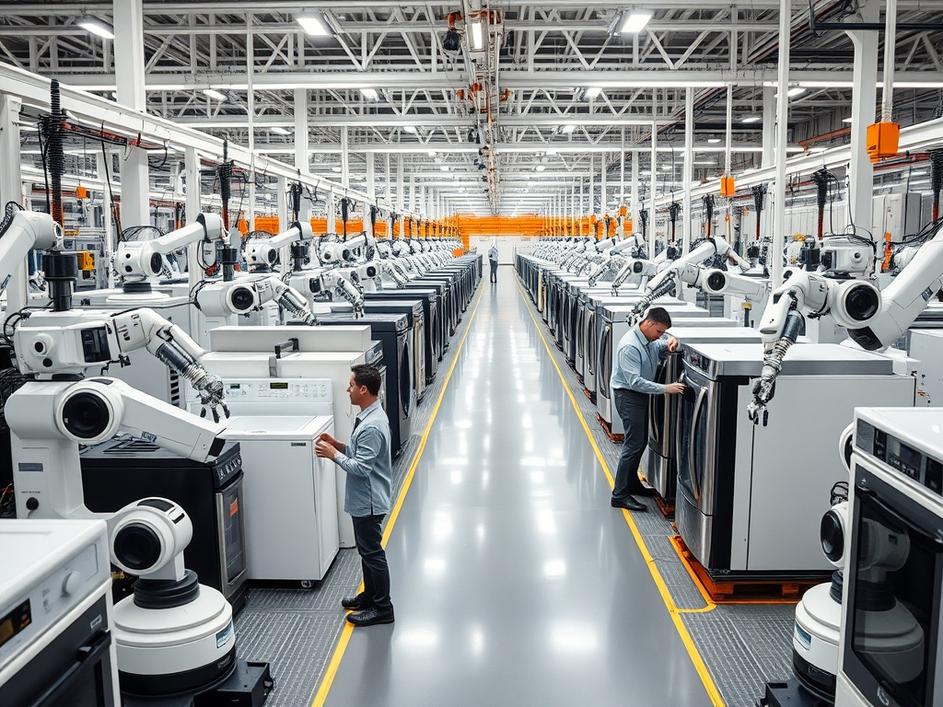
ToggleWhirlpool, the well-known appliance manufacturer, is making a significant investment in automation at its Ohio facilities. The company recently announced plans to ramp up its use of robots and automated systems in its production lines. This move isn’t just about keeping up with the times; it could be a pivotal moment for Whirlpool’s future, influencing everything from its production costs to its competitiveness in the market. The goal, it seems, is to streamline operations and boost efficiency, but what does this really mean for the company and its workers?
Several factors are likely driving Whirlpool’s decision. First, the cost of labor is always a concern for manufacturers. Automation offers the potential to reduce these costs significantly over the long term. Robots can work around the clock without breaks, vacations, or sick leave. Second, automation can lead to improved product quality and consistency. Machines can perform tasks with greater precision than humans, reducing errors and defects. And third, the appliance market is fiercely competitive. Whirlpool faces pressure from both established rivals and new entrants. Automation can help the company stay ahead of the curve by enabling it to produce goods more quickly and efficiently. But automation is not without risks, and the company will need to successfully implement these new technologies.
The potential benefits of automation for Whirlpool are substantial. By automating key processes, the company could see a significant reduction in production costs. This could translate into lower prices for consumers, increased profit margins for Whirlpool, or both. In addition, automation can free up human workers to focus on more complex and value-added tasks. For example, employees who previously worked on assembly lines could be retrained to work in areas such as product design, quality control, or customer service. It’s a gamble, but if done well, can lead to a more resilient and profitable Whirlpool. Furthermore, this could mean that Whirlpool products become more attractive compared to competitors.
However, Whirlpool’s automation push also presents some challenges. One of the biggest concerns is the potential for job displacement. As robots take over tasks previously performed by humans, some workers may lose their jobs. This could lead to social and economic disruption in the communities where Whirlpool operates. It is crucial that Whirlpool address these concerns by providing retraining and support to affected workers. Another challenge is the implementation of automation technologies. Integrating robots and automated systems into existing production lines can be complex and expensive. It requires careful planning, skilled technicians, and ongoing maintenance. If Whirlpool fails to manage this process effectively, it could experience costly delays and disruptions. This could also mean a temporary decrease in production, which would be detrimental to Whirlpool’s market performance.
Whirlpool’s automation push is likely to have a significant impact on Ohio, where the company has a large presence. On the one hand, it could help to secure the future of Whirlpool’s operations in the state. By becoming more efficient and competitive, the company may be able to retain jobs and attract new investment. On the other hand, automation could lead to job losses, particularly in manufacturing roles. This could exacerbate existing economic challenges in some Ohio communities. The state government and local organizations will need to work with Whirlpool to mitigate the negative impacts of automation and ensure that Ohio workers have the skills and training they need to succeed in the changing economy. Ohio needs to be pro-active and plan for a future that will likely see even more jobs automated. This is likely to become a common theme across many industries and so Ohio, and other manufacturing states, need to adapt accordingly.
Whirlpool’s experience with automation in Ohio could serve as a test case for the broader manufacturing industry. If the company is successful in implementing these technologies and mitigating the negative impacts on workers, it could provide a model for other manufacturers to follow. However, if Whirlpool struggles with automation, it could serve as a cautionary tale. The future of manufacturing is undoubtedly intertwined with automation. Companies that embrace these technologies strategically and responsibly are likely to thrive. Those that resist or mismanage automation risk falling behind. So while there are definite risks to automating business processes, it is a trend that is only going to continue to accelerate.
From an investor’s perspective, Whirlpool’s move towards automation is a key indicator of the company’s long-term vision and commitment to innovation. While there may be short-term concerns about job displacement and implementation costs, the potential for increased efficiency, improved product quality, and enhanced competitiveness makes this a worthwhile investment. Investors will be closely watching Whirlpool’s progress in the coming years to see if the company can successfully navigate the challenges of automation and reap the rewards. Any kind of significant increase in profit, without a significant investment would be welcomed by investors, many of whom have long awaited Whirlpool to innovate its processes.
Ultimately, Whirlpool’s push for automation in Ohio reflects a broader trend in the manufacturing industry. As technology continues to advance, companies must adapt to remain competitive. While automation presents challenges, it also offers significant opportunities for growth and innovation. By embracing automation strategically and responsibly, Whirlpool can position itself for long-term success and contribute to the economic vitality of Ohio. It’s a high-stakes gamble, but one that the company seemingly has to take in order to stay relevant in a rapidly changing global landscape.


Comments are closed