

We are a digital agency helping businesses develop immersive, engaging, and user-focused web, app, and software solutions.
2310 Mira Vista Ave
Montrose, CA 91020

2500+ reviews based on client feedback
What's Included?
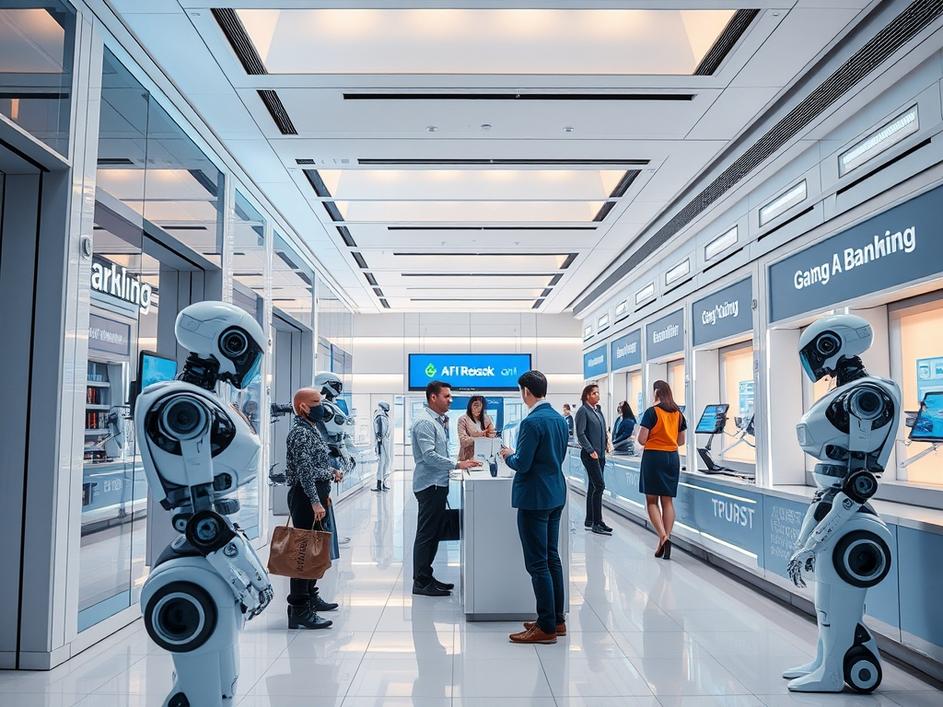
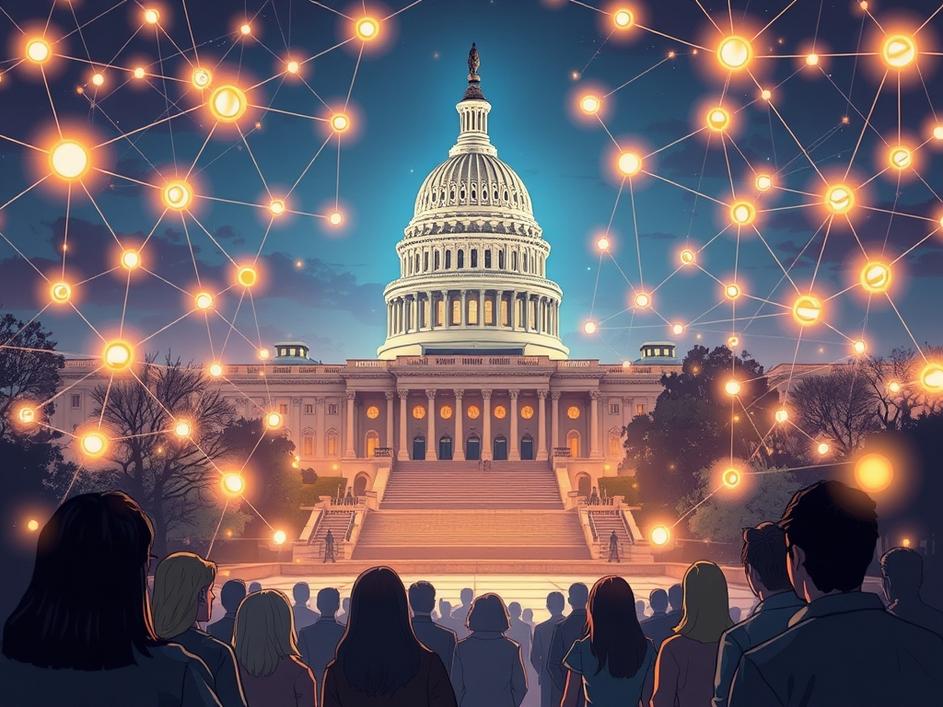
ToggleRumors are swirling that high-ranking Trump administration officials, Treasury Secretary Scott Bessent and Federal Reserve Chair Jerome Powell, have been actively encouraging bank executives to explore Anthropic’s latest AI model, Mythos. This isn’t just a casual suggestion; it appears to be a concerted effort to nudge the banking sector toward embracing advanced artificial intelligence in their operations. The details emerging from these closed-door meetings are creating a buzz, raising questions about the role of government in technology adoption within the financial industry.
Anthropic, a company founded by former OpenAI researchers, has been making waves with its focus on building safer and more reliable AI systems. Mythos, presumably their newest offering (details are still relatively scarce in public domain), is positioned as a tool to enhance various banking functions. The potential applications range from fraud detection and risk assessment to customer service and algorithmic trading. What makes Mythos particularly interesting is Anthropic’s emphasis on “constitutional AI,” an approach designed to align the AI’s behavior with pre-defined ethical and safety guidelines, aiming to minimize bias and ensure responsible use.
It’s unusual, to say the least, for government officials to so directly promote a specific company’s product. Several possible motivations could be at play. One is the desire to boost American competitiveness in the rapidly evolving AI landscape. By encouraging banks to adopt cutting-edge AI, the government might hope to accelerate innovation and maintain a leading position in global finance. Another could be concern about systemic risk. Perhaps officials believe that AI, particularly a model like Mythos with its safety-focused design, can help banks better manage complex risks and prevent future financial crises. And then there’s the undeniable allure of efficiency. Automation powered by AI promises to streamline operations, reduce costs, and improve overall productivity in the banking sector.
The potential benefits of AI in banking are undeniable. Imagine AI-powered systems that can instantly detect fraudulent transactions, analyze vast datasets to identify emerging risks, and provide personalized customer service around the clock. AI could also revolutionize lending decisions, making credit more accessible to underserved communities. However, the adoption of AI also raises significant concerns. Job displacement is a major worry, as AI-powered automation could lead to workforce reductions. Algorithmic bias is another critical issue, as AI systems trained on biased data could perpetuate and even amplify existing inequalities. Data privacy and security are also paramount, as banks handle sensitive customer information that must be protected from unauthorized access and misuse. The reliance on complex AI models introduces concerns regarding explainability and transparency. Regulators, customers, and even bank employees need to understand how these models arrive at their decisions to ensure accountability and trust.
The push for AI adoption in banking is happening in a complex ethical and regulatory landscape. While governments seem eager to foster innovation, a cautious approach is imperative to mitigate potential risks. Robust regulatory frameworks are needed to address issues such as algorithmic bias, data privacy, and cybersecurity. These frameworks should mandate transparency, accountability, and human oversight of AI systems. Moreover, significant investment in training and reskilling programs is essential to prepare the workforce for the changes brought about by AI. Banks should prioritize ethical considerations when deploying AI, ensuring that these technologies are used responsibly and in ways that benefit all stakeholders. This may require establishing internal AI ethics committees and collaborating with external experts to identify and address potential ethical dilemmas. The integration of AI also necessitates clear lines of responsibility. When an AI system makes a mistake, it’s crucial to determine who is accountable. Is it the developer of the AI model, the bank that deployed it, or the individual who oversees its operation? Establishing clear accountability mechanisms is vital for maintaining trust and ensuring that AI is used responsibly.
Ultimately, the integration of AI in banking requires a delicate balancing act between fostering innovation and ensuring responsible use. Governments, regulators, and banks must work together to create an environment that encourages experimentation while safeguarding against potential risks. This requires open dialogue, collaboration, and a willingness to adapt as AI technology continues to evolve. It also means investing in education and research to better understand the potential impacts of AI on society and the economy. This also means a focus on AI literacy, empowering individuals to understand and critically evaluate AI systems, reducing the risk of blind faith in the machines.
Whether this push for Mythos specifically proves successful remains to be seen, but one thing is clear: AI is poised to play an increasingly significant role in the future of banking. The question is not whether AI will transform the industry, but how. Will AI be used to create a more efficient, accessible, and equitable financial system, or will it exacerbate existing inequalities and create new risks? The answer depends on the choices we make today. The explicit government influence adds a complex layer, potentially stifling the organic evolution of the sector. It’s a situation worth watching closely, because it has implications far beyond the balance sheets of major banks.


Comments are closed