

We are a digital agency helping businesses develop immersive, engaging, and user-focused web, app, and software solutions.
2310 Mira Vista Ave
Montrose, CA 91020

2500+ reviews based on client feedback
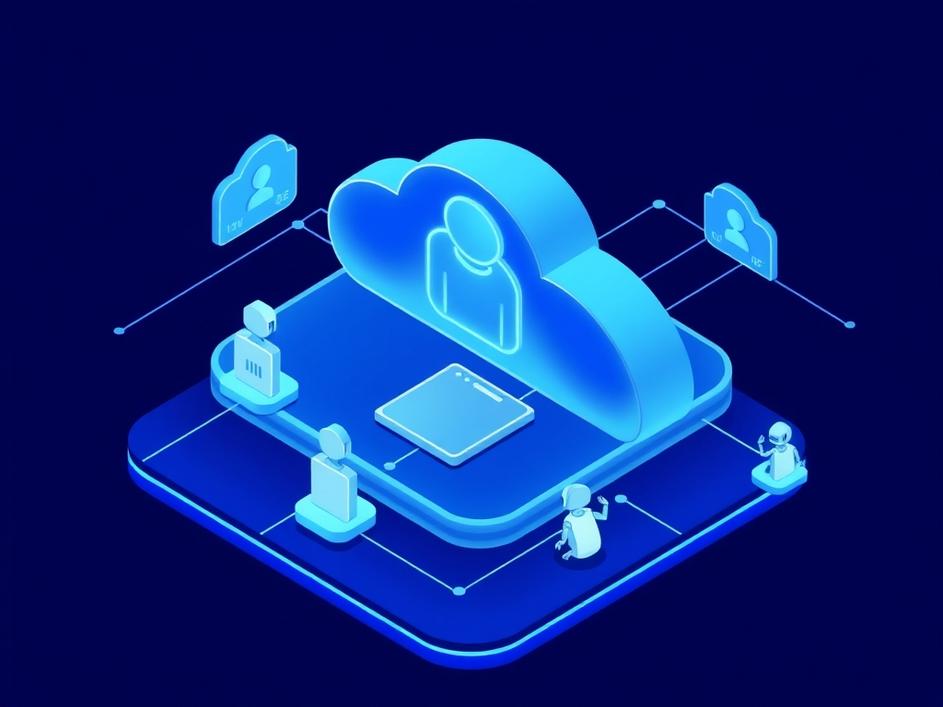
Cloudflare is known for speed and security at the edge. Now, it hints at something bigger: a core layer that handles who users are and how money moves in agent-powered commerce. In plain terms, they want software agents to act on your behalf and to carry your identity and funds through a shared system. If this idea sticks, developers could plug into one trusted layer instead of stitching together many tools. If it falters, the trust in that layer could crumble and pull a lot of services with it. The promise sounds simple—faster, safer flows for digital agents—but the real effects are still unclear and unsettled.
Agent commerce is about bots and assistants doing tasks for you—buying, scheduling, booking, paying—without you manually clicking every step. It relies on knowing who you are and having a way to move money quickly. Cloudflare’s angle is to offer a single, shared backbone for both parts. The appeal is clear: fewer integrations, faster builds, smoother user journeys. The risk is that a single company could become a gatekeeper for many services. If the identity layer and the payment stream are tied to one provider, you could lose options and control when things change or go offline.
Pairing identity with money creates a potent engine for apps. You can verify a user and move funds in a single, streamlined flow. For developers, that could cut a lot of setup time and reduce the number of moving parts. For users, it could mean fewer logins and faster checkouts. But a centralized layer also concentrates risk. A breach, policy shift, or technical outage could ripple across many services that rely on it. Portability becomes crucial. If you want to switch paths, can you take your identity and money rails with you, or are you locked in? The tension is baked into the idea from day one.
If a trusted layer covers identity and payments, teams can ship features faster. They won’t need to build identity checks and payment rails from scratch. That lowers early-stage risk and speeds time to market. On the flip side, dependency grows. A vendor controls how customer data flows and what happens during outages. Startups should demand clear terms, data portability, and transparent pricing. Will you own your customers’ data, or does it live behind a vendor’s shield? Can you switch away when needed without losing access to critical signals? The balance between speed and freedom will shape whether this move helps or hinders early-stage teams.
There are real fears here. Centralizing identity and money under one roof creates a single point of failure. If the service has downtime, so might dozens of apps. Privacy concerns rise as more sensitive data flows through a single layer. Market power can grow quickly, too. If Cloudflare controls this rails, competitors may struggle to offer alternatives. Regulators will watch how data is used and who can access it. Consumers will want to know what data is kept, how it’s used, and how easy it is to opt out. Security threats don’t vanish in a vacuum; they come with the territory of a big, integrated system.
Industry players will keep a close eye on how this evolves. A big platform can speed things up for some, while squeezing others for space. Open standards and interoperability become a key question. If the layer stays open and easy to connect with, more players can compete and innovate. If it narrows to a closed ecosystem, startups may struggle to find paths around it. Regulators likely to weigh in on consent, data rights, and competition. The path ahead will hinge on whether this is a flexible framework that invites others in or a locked-in stack with tight controls.
Cloudflare is trying something bold. It could lower barriers for building agent-driven apps and speed up digital commerce. That would be a win for developers and users who crave smoother experiences. It could also tilt the balance toward one provider and reduce choices, which worries me. My take is simple: we should push for openness and resilience. Portability of data and easy switching are must-haves. Real plans for outages, security, and user control matter just as much as speed and convenience. If the industry adopts fair terms and strong standards, this move could push the tech world forward. If not, it risks slowing innovation and trapping users in a crowded, less flexible space.



Comments are closed