What the news says in plain terms
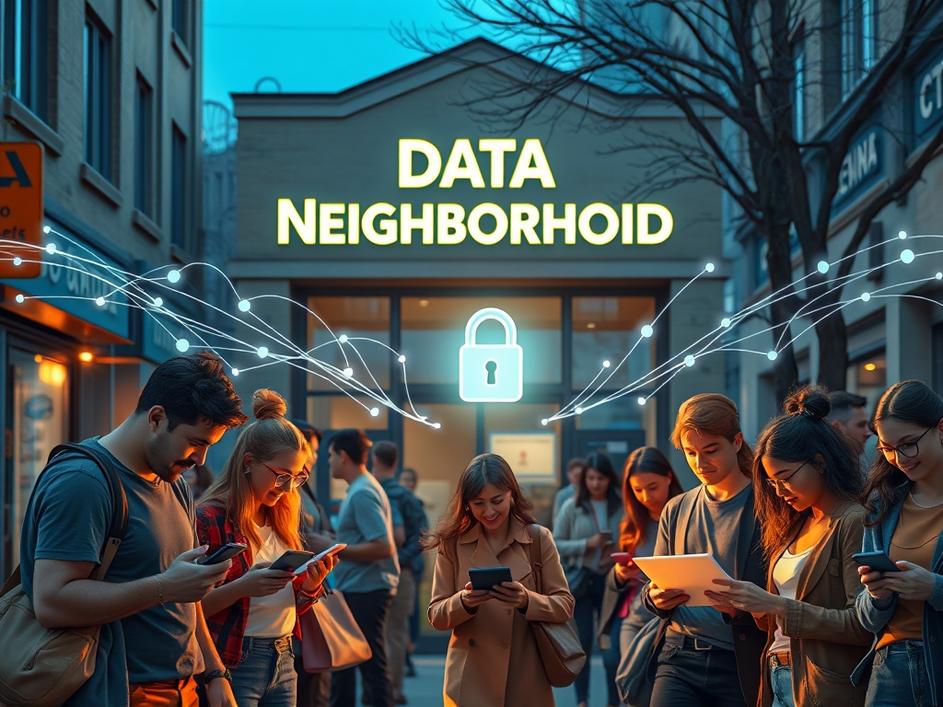
The city rolled out a privacy program called the Data Neighborhood. It gives residents a way to control data from city services and participating apps. There is a portal to opt out, a simple view of collected data, and a path to delete data. The aim is to reduce the trail people leave behind online, especially kids and seniors. The plan is still early. The city will monitor how well it works and where it falls short. Supporters say it could set a clear standard for public privacy. Critics want to see real teeth in the rules and real penalties for missteps.
Why it matters to everyday life
This isn’t just about big tech. It touches daily choices: what ads show up, what apps track your moves, and how much a city knows about you when you ride the bus or pay a bill. For families, this could mean less constant data requests and fewer surprises on phone screens. For students, clearer consent means safer use of school apps. But there’s a catch. People must know how to use the tools. The city can hand out a portal, yet if people don’t understand it, the benefit fades.
A shift for businesses and creators
Startups and big firms will feel the impact. They must seek consent in straightforward ways and honor opt-outs across services. Some may slow onboarding or offer lighter data options to keep doors open. Others may build privacy-first tools that help customers manage data more easily. In any case, the plan nudges companies to be upfront and fair, not sneaky. It could spark a new kind of competition where trust counts as a soft advantage.
Hurdles to make it work
Real life is messy. The city will need money, staff, and data standards that travel across platforms. People use multiple apps on many devices, and not all of them play by the same rules. There will be gray areas, like data that is technically anonymous but easily reconnected to a person. Enforcement will depend on clear rules and quick responses. Then there’s the digital divide. Some residents may lack the skills or devices to take full advantage of the tools. The program must meet them where they are, not leave them behind.
Trust over speed
The heart of this move is trust. People want to know who sees their data and why. When governments show they listen, folks feel safer using digital services. The human side matters as much as the tech side. I’ve talked to parents who say this could reduce harmful surprises for their kids online. I’ve also met small business owners who worry about compliance costs. The best outcome balances protection with practical use. It leaves space for innovation while keeping the door open for feedback and correction.
Looking ahead with a hopeful eye
This experiment isn’t a final answer. It’s a test of whether public power can push back on a data economy that moves fast. If it works, it could become a model for other places. If it stumbles, it will still reveal where gaps live. My take is simple: give people clear, easy options; make rules visible; demand accountability. Support tools that explain data rights in plain language. Encourage communities to push for better privacy standards in schools, libraries, and town services. We won’t have perfect privacy, but we can take small, steady steps to protect what matters most: our sense of control and trust in the systems we rely on every day.






Comments are closed