Apple’s Bold Step Towards Independence
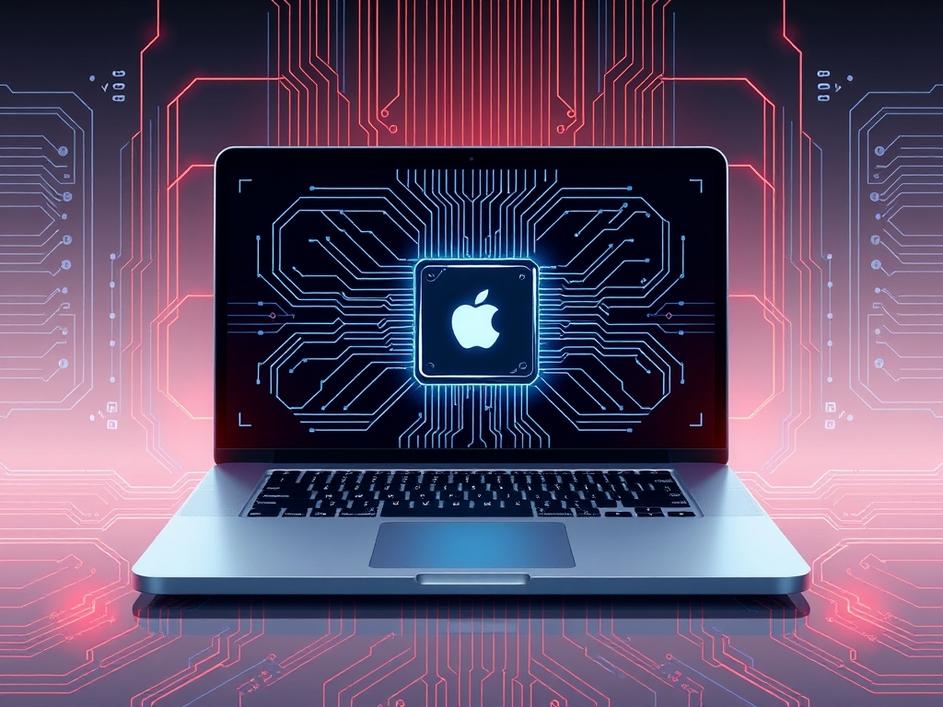
Apple’s recent announcement to move away from Intel processors in their Mac computers marks a significant turning point for the tech giant. For over a decade, Apple has relied heavily on Intel’s chips to power its Mac lineup. But now, they’re choosing to design their own processors, which is a sign of their confidence and vision for the future. This move is about more than just changing the inside of a machine—it’s a strategic shift that could reshape Apple’s hardware and software ecosystem.
Understanding the Roots of This Change
Why move away from Intel? The answer lies partly in control and partly in performance. Intel processors are powerful, but Apple has limitations when it depends on a third party for such a crucial component. By making its own chips, Apple gains full control over design and integration, allowing them to optimize performance specifically for Mac devices. It’s also a way to reduce reliance on outside suppliers, streamlining their production and product roadmap.
What This Means for Mac Users
For everyday users, this change could bring noticeable benefits. Apple’s chips, designed internally, are expected to improve battery life and speed while keeping devices more efficient and compact. The transition also opens the door for Macs to share more in common with iPhones and iPads, since they’ll be running on similar architectures. However, it may also mean some initial challenges, like software compatibility issues that need addressing as developers adjust their apps to the new system. Still, Apple has a track record of handling such transitions thoughtfully.
Potential Risks and Industry Implications
Shifting to in-house chips is ambitious, but it also comes with risks. Apple has to ensure its processors are not only good but better than Intel’s offerings to justify the change. There’s also the challenge of transitioning their entire Mac lineup without losing the support of critical software and hardware partners. On a larger scale, this move pushes the industry toward greater vertical integration, where companies control more parts of their stack. It could also pressure Intel and others to speed up innovation to keep up.
Looking Ahead: What to Expect Next
Apple’s decision sets the stage for the next chapter in the Mac’s story. The transition won’t happen overnight, but it’s clear Apple aims for tighter integration between hardware and software—a combination they’ve excelled at with their mobile devices. We can expect Macs that may perform better on everyday tasks like browsing and content creation, and possibly spark new product innovations. Watching how developers and the industry react will be key in understanding the full impact. Ultimately, this move signals Apple’s determination to shape its own future, not just follow the path set by others.
In conclusion, Apple’s move away from Intel chips isn’t just a technical upgrade; it’s a strategic leap that could alter the landscape of personal computing. While there are challenges ahead, the potential rewards for users and Apple itself are significant. This decision underscores how important control and cohesion are becoming in tech, and it will be interesting to see how this choice plays out over the next few years.






Comments are closed