

We are a digital agency helping businesses develop immersive, engaging, and user-focused web, app, and software solutions.
2310 Mira Vista Ave
Montrose, CA 91020

2500+ reviews based on client feedback
What's Included?
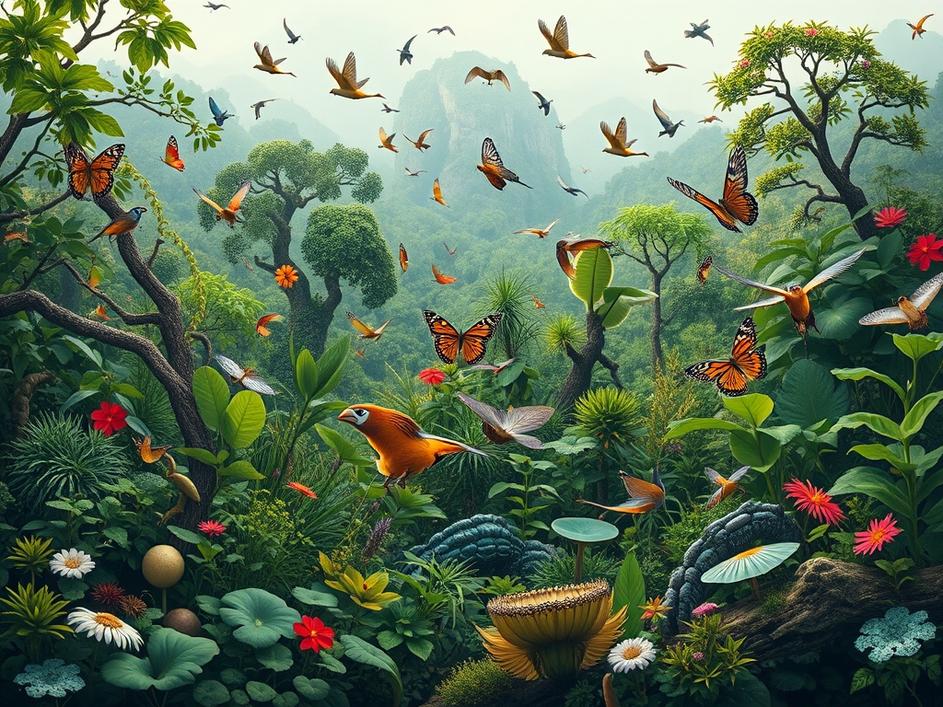
ToggleBiodiversity, in simple terms, is the variety of life on Earth. It encompasses everything from the tiniest bacteria to the largest whales, and the ecosystems they create. This variety isn’t just aesthetically pleasing; it’s absolutely crucial for our survival. A healthy, biodiverse planet provides us with clean air and water, fertile soil for growing food, and medicines to fight diseases. It also helps regulate the climate and protect us from natural disasters. When we lose biodiversity, we weaken the very foundations of our well-being.
Imagine a spider web. Each strand represents a different species, and the points where they connect are the interactions between them. If you cut one strand, the web doesn’t necessarily collapse immediately, but it becomes weaker and more vulnerable. The same is true for ecosystems. Every species plays a role, and the loss of even one can have ripple effects throughout the entire system. For instance, the decline of bee populations affects not only honey production but also the pollination of countless crops and wild plants. This interconnectedness highlights the importance of protecting not just individual species, but entire habitats.
Unfortunately, biodiversity is under serious threat. Human activities are the primary drivers of this crisis. Habitat destruction, caused by deforestation, urbanization, and agriculture, is a major problem. When we clear forests or drain wetlands, we destroy the homes of countless species. Pollution, from pesticides to plastic waste, contaminates ecosystems and harms wildlife. Climate change, driven by greenhouse gas emissions, is altering habitats and forcing species to adapt or face extinction. Overexploitation, such as overfishing and illegal wildlife trade, further depletes populations and disrupts ecosystems. And finally, invasive species, introduced intentionally or unintentionally, can outcompete native species and disrupt food webs. These threats are not isolated incidents; they are interconnected and accelerating the loss of biodiversity at an alarming rate.
The loss of biodiversity has far-reaching consequences. It threatens our food security, as many of our crops rely on pollinators and healthy soils. It increases our vulnerability to climate change, as forests and wetlands play a vital role in absorbing carbon dioxide and regulating water cycles. It undermines our health, as many medicines are derived from natural sources and the spread of infectious diseases is often linked to habitat destruction. It also diminishes our quality of life, as we lose the beauty and wonder of the natural world. A world with less biodiversity is a world that is less resilient, less healthy, and less sustainable.
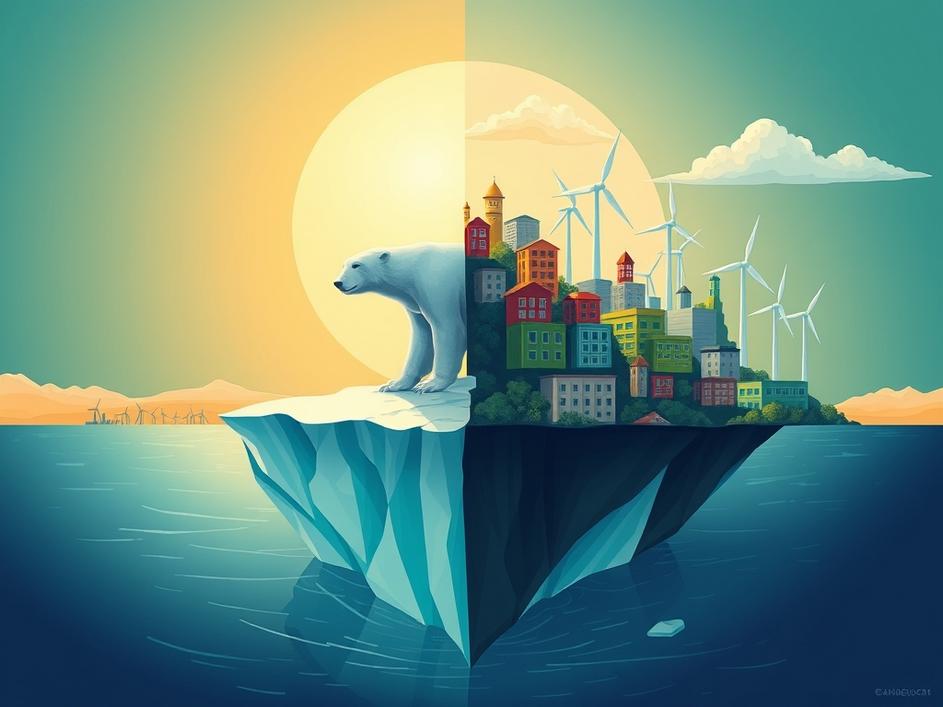
The good news is that it’s not too late to take action. Protecting biodiversity requires a multifaceted approach. We need to reduce our carbon footprint and transition to a more sustainable economy. We need to protect and restore habitats, such as forests, wetlands, and coral reefs. We need to reduce pollution and promote sustainable agriculture. We need to combat illegal wildlife trade and control invasive species. And most importantly, we need to raise awareness about the importance of biodiversity and empower individuals and communities to take action. Simple changes in our daily lives, such as reducing our consumption, supporting sustainable products, and advocating for environmental policies, can make a big difference. By working together, we can create a future where both humans and nature can thrive.
Successful biodiversity conservation requires a combination of policy, community involvement, and scientific research. Governments must enact and enforce strong environmental regulations to protect habitats and regulate resource extraction. Local communities need to be actively involved in conservation efforts, as they often have valuable knowledge and a vested interest in protecting their natural resources. Scientific research is essential for understanding the complex interactions within ecosystems and for developing effective conservation strategies. Protected areas, such as national parks and wildlife reserves, play a crucial role in safeguarding biodiversity, but they must be managed effectively and integrated into broader landscapes. Conservation efforts must also address the underlying drivers of biodiversity loss, such as poverty, inequality, and unsustainable consumption patterns.
Beyond the practical benefits, there’s also a strong ethical imperative to protect biodiversity. We have a moral responsibility to safeguard the planet for future generations and to respect the intrinsic value of all living things. Biodiversity is not just a resource to be exploited; it’s a heritage to be cherished and protected. Every species has a right to exist, and we have no right to drive them to extinction. By embracing a conservation ethic, we can create a more just and sustainable world for all.
The future of biodiversity depends on the choices we make today. If we continue down the current path, we risk losing a significant portion of the planet’s species and ecosystems. But if we embrace a more sustainable and conservation-minded approach, we can create a future where biodiversity thrives. This requires a fundamental shift in our values and priorities. We need to move away from a purely economic worldview and embrace a more holistic perspective that recognizes the interconnectedness of all things. We need to prioritize the well-being of both humans and nature. By working together, we can create a world where biodiversity is valued, protected, and celebrated.

Comments are closed