

We are a digital agency helping businesses develop immersive, engaging, and user-focused web, app, and software solutions.
2310 Mira Vista Ave
Montrose, CA 91020

2500+ reviews based on client feedback
What's Included?
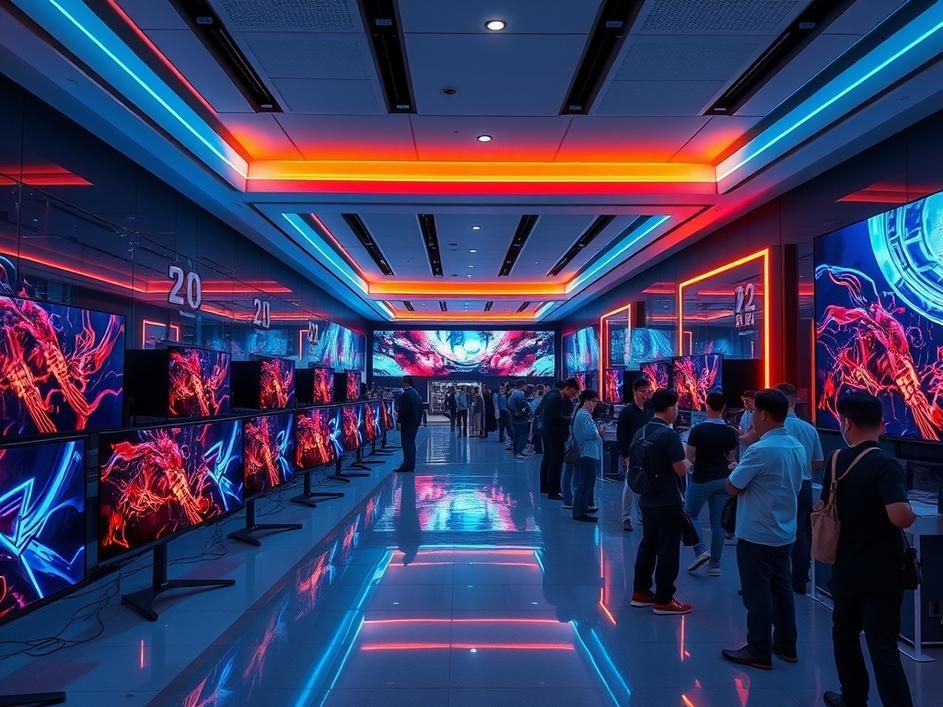
ToggleLG Display has chosen Taiwan as the launch pad for what it calls the biggest gaming‑focused OLED family ever built. The event, set for early June, will let industry insiders see the screens up close, try them out, and hear the engineers talk about why they matter. It isn’t just another product reveal; it’s a statement that OLED is no longer a niche for premium phones or high‑end TVs. By gathering the whole lineup in one place, LG hopes to convince gamers, developers, and hardware makers that OLED can become the default canvas for fast‑paced, visually demanding play. The press release notes that the showcase is a paid effort, but the underlying message feels genuine – LG wants to be seen as the go‑to partner for the next wave of immersive gaming experiences.
The new family spans from a compact 27‑inch panel aimed at desk rigs to a massive 55‑inch model that could replace a traditional TV in a living‑room setup. All screens share a few core traits: a 120 Hz refresh rate, low input lag, and a peak brightness that can push past 800 nits. The panels also support HDR formats that bring out bright highlights without washing out dark details, something gamers have long asked for. LG has added a “gaming‑mode” firmware that automatically tunes the color gamut and response time based on the title being played. The larger sizes even include a built‑in eye‑comfort sensor that dims the backlight when you’re gaming late into the night.
Right now, most gamers still rely on LED‑backlit LCDs because they are cheaper and have a proven track record. OLED has been praised for its perfect blacks and fast pixel response, but concerns about burn‑in and price have kept it from mainstream adoption. LG’s new range tries to address both issues. By offering a tiered price structure and adding software tools that limit static‑image exposure, the company hopes to calm the burn‑in worries. At the same time, the pricing appears aggressive enough to make a 27‑inch OLED monitor a realistic option for a mid‑range gaming PC build.
Creating a panel that can sustain high frame rates while keeping power draw low is no small feat. OLED pixels light up individually, which gives them speed, but also means they can heat up quickly under sustained load. LG’s engineers have introduced a new heat‑spreader layer that sits between the organic stack and the glass substrate. Early tests suggest it keeps surface temperature down by several degrees, which in turn reduces the risk of premature pixel aging. Another trick is the use of a variable‑refresh algorithm that only pushes 120 Hz when the game demands it, dropping to 60 Hz during menus to save energy.
If the lineup lives up to the specs, we could see a shift in how games are designed. Developers might start to rely more on true black levels for atmospheric scenes, knowing that OLED can deliver them without a halo of gray. The low input lag and fast response could also make competitive titles feel tighter, which is a big draw for esports players. For the average consumer, the promise of a TV‑size OLED that can handle a fast‑paced shooter without ghosting might finally close the gap between living‑room and desk gaming. That could drive more cross‑platform play and blur the line between console and PC experiences.
LG Display’s decision to showcase the world’s largest gaming OLED collection in Taiwan signals confidence that the technology is ready for broader adoption. The company has tackled some of the biggest criticisms of OLED – burn‑in, heat, and cost – with a mix of hardware tweaks and software safeguards. Whether gamers will jump on board depends on real‑world pricing and how well the panels hold up after months of heavy use. Still, the move adds healthy competition to a market that has been dominated by LCD for years. If the lineup delivers on its promises, we could be looking at a new baseline for visual fidelity in games, and that’s something worth keeping an eye on.
Source: Original Article


Comments are closed