

We are a digital agency helping businesses develop immersive, engaging, and user-focused web, app, and software solutions.
2310 Mira Vista Ave
Montrose, CA 91020

2500+ reviews based on client feedback
What's Included?
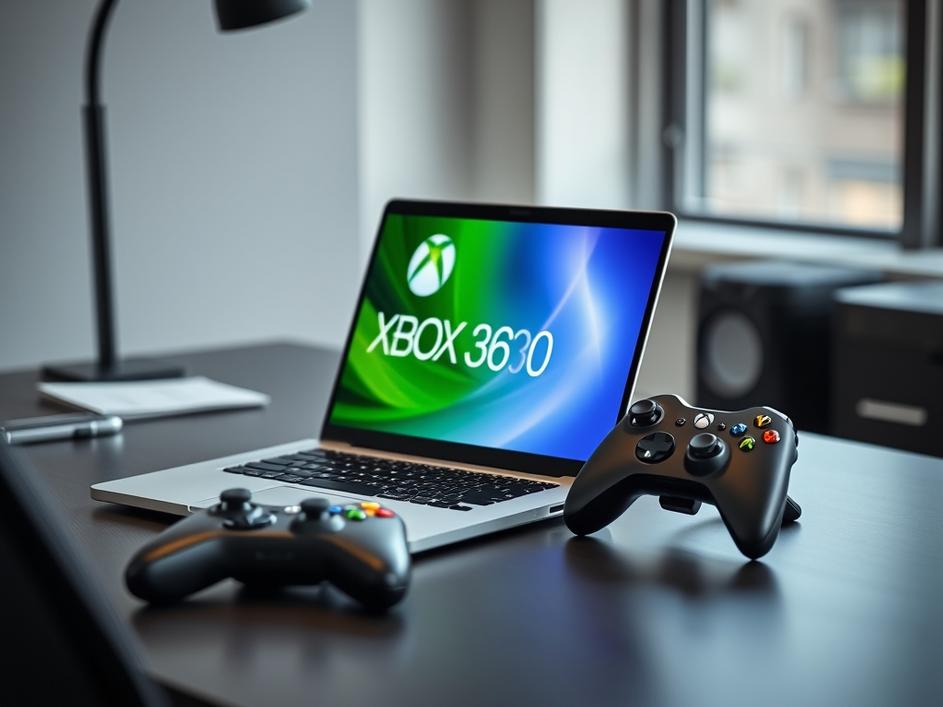
ToggleMicrosoft’s shares have jumped about a quarter in just three days, and the buzz is all about a possible bridge between the Xbox 360 library and Windows PCs. The rumor isn’t a headline‑grabbing product launch; it’s a report that some of the older console titles could soon be available on the PC platform. That alone is enough to make traders sit up, but the real story is what it could mean for gamers, developers, and the broader market. The surge shows how quickly investors react when a familiar brand hints at expanding its ecosystem.
When a major tech stock climbs that fast, it’s rarely just hype. In this case, investors are betting on two things: a fresh revenue stream from older games and a stronger tie‑in with Microsoft’s subscription services. By pulling Xbox 360 titles onto Windows, the company could unlock a trove of nostalgia‑driven sales while feeding its Game Pass catalog. The market loves the idea of monetizing legacy content without huge new development costs, so the price action feels logical.
Getting a console game to run on a PC isn’t as simple as copying a file. Microsoft would need a reliable compatibility layer, something like an updated version of the old “Xbox Compatibility Pack” or a cloud‑streaming fallback. The goal would be to preserve the original experience – controller support, graphics settings, and performance – while letting the game talk to Windows drivers. If they pull it off, it could set a template for future cross‑platform moves without rebuilding each title from scratch.
Microsoft has tried similar ideas before. The “Xbox Play Anywhere” program let certain newer games run on both console and PC, and Game Pass already streams a handful of older titles. Those efforts showed mixed results: some games migrated smoothly, others stumbled on control schemes or performance quirks. The current rumor feels like a more focused attempt on a specific generation – the Xbox 360 – which has a massive library and a loyal fan base that still talks about its classics.
If the plan materializes, PC players could finally access games that were once locked behind a console. That could broaden the appeal of Windows as a gaming hub, especially for people who missed the original releases or can’t afford a console. It also puts pressure on other PC storefronts to think about legacy content. Steam, Epic, and even smaller indie platforms might need to consider how they handle older console games if Microsoft starts pulling them into the PC world.
There are still a lot of unknowns. Licensing agreements for older titles can be messy, and not every publisher will be eager to see their old code run on a different OS. Performance is another concern – some Xbox 360 games were built for a very specific hardware profile, and translating that to the wide variety of PC configurations could lead to bugs or sub‑par experiences. If the rollout feels half‑baked, the initial excitement could quickly turn into disappointment.
From a valuation standpoint, the stock jump adds a premium to Microsoft’s already hefty market cap. Analysts who focus on growth may argue that this move adds a modest but steady cash flow, reinforcing the company’s long‑term earnings outlook. Those who are more cautious might point out that the revenue from legacy games is unlikely to shift the overall financial picture dramatically. Still, the market seems to be pricing in a positive sentiment boost rather than a massive profit surge.
For a regular gamer, the idea of playing a beloved Xbox 360 title on a laptop or desktop is appealing. It removes the need for extra hardware and can revive memories with just a few clicks. For investors, the story offers a glimpse of how a large tech firm can extract value from its existing assets. It’s a reminder that sometimes the biggest opportunities come from looking back, not just pushing forward with brand‑new releases.
The 25 % rise in Microsoft’s stock over three days shows that the market is paying attention to any sign of ecosystem expansion. Bringing Xbox 360 games to Windows could be a modest revenue boost, a win for nostalgic gamers, and a strategic play to tighten the bond between console and PC. Whether the technical hurdles and licensing issues can be cleared remains to be seen, but the excitement alone has already nudged the share price higher. Time will tell if this rumor turns into a lasting shift or just a fleeting headline.
Source: Original Article



Comments are closed