

We are a digital agency helping businesses develop immersive, engaging, and user-focused web, app, and software solutions.
2310 Mira Vista Ave
Montrose, CA 91020

2500+ reviews based on client feedback
What's Included?
ToggleThe world is building data centres at a break‑neck pace. Analysts put the total spend at roughly $650 billion over the next few years. That kind of money doesn’t just sit in a bank – it looks for places that can host the machines, keep them cool and run them on cheap power. Canada, with its cool climate and growing renewable grid, suddenly looks like prime real estate for the next wave of servers. In the middle of this rush is a home‑grown player that has quietly positioned itself to reap a large share of the profits. The story is less about hype and more about timing, geography and a clear business plan.
The company in question is Maple Data Holdings, a Toronto‑based firm that started out as a modest colocation provider five years ago. Today it runs a portfolio of modular data‑centre pods that can be dropped into existing industrial sites or new greenfield locations with minimal construction time. What sets it apart is a combination of deep ties to local utilities, a flexible lease model and a willingness to partner with cloud giants on a profit‑share basis. While the name isn’t on every Wall Street ticker, the boardroom buzz is loud: investors see a clear path to cash flow as the demand for space explodes.
Canada offers a few natural advantages that many other regions simply can’t match. First, the ambient temperature in many provinces stays low enough to cut cooling costs dramatically – a factor that can shave up to 30 % off a data‑centre’s energy bill. Second, the country is rapidly expanding its renewable energy capacity, especially hydro and wind, which means future‑proofing against carbon regulations. Third, federal and provincial governments have rolled out tax credits and fast‑track permitting for tech infrastructure. All of these pieces line up to make a compelling case for companies that need to scale quickly without breaking the bank.
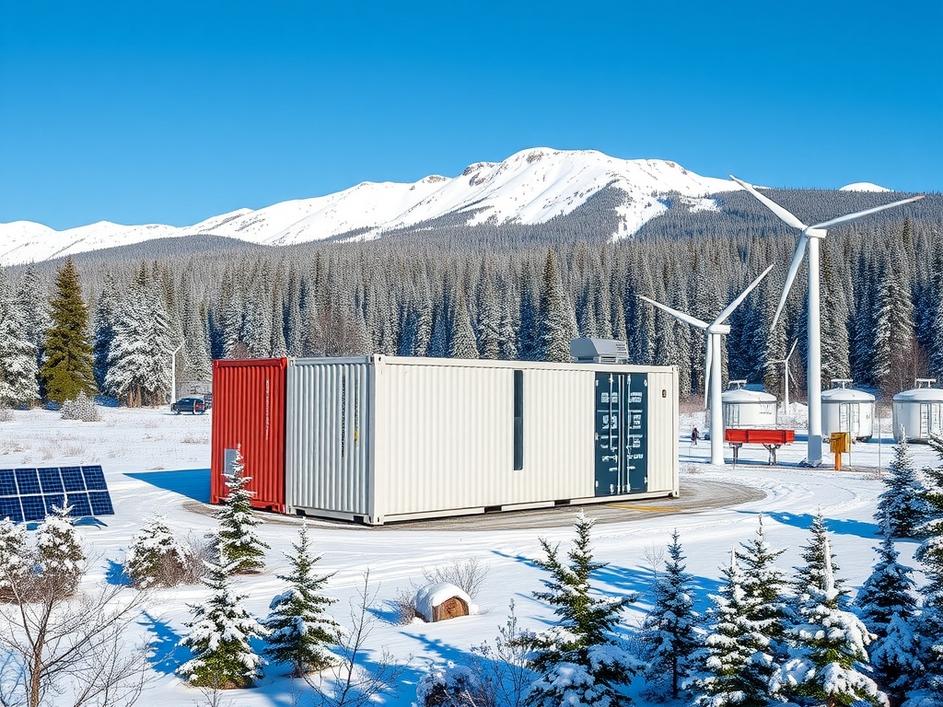
The firm’s strategy rests on three pillars. One, it builds standardized, container‑style modules that can be shipped and assembled in weeks rather than months. Two, it negotiates power purchase agreements that lock in low rates for up to 20 years, insulating itself from market volatility. Three, it offers a tiered service model – from simple rack space to fully managed services – allowing it to serve both startups and the big cloud providers. By keeping capital expenditures low and revenue streams recurring, Maple Data can grow its top line while staying financially lean.
No venture is without its challenges. Power availability, even in a renewable‑rich nation, can become a bottleneck if demand outpaces supply. Competition is heating up, with U.S. and European firms eyeing the same cheap‑energy zones. Regulatory shifts – for example, stricter data‑sovereignty rules – could force companies to keep data within borders, which might benefit Maple Data but also raise compliance costs. Finally, the rapid pace of technology means today’s hardware can become obsolete faster than a building can be repurposed. The firm will need to stay agile, constantly upgrading its modules and services to keep pace.
If Maple Data can keep its cost base low, maintain strong utility partnerships and continue to attract big‑ticket tenants, the upside is huge. A single well‑located campus could generate tens of millions in annual revenue, and the company’s modular approach makes scaling across the country relatively painless. More broadly, the story illustrates how a country with the right mix of climate, policy and infrastructure can become a hidden hub in the global data‑centre race. For investors and tech leaders alike, keeping an eye on this Canadian player might be as valuable as watching the headline‑making megacorp moves in Silicon Valley.
Source: Original Article



Comments are closed