

We are a digital agency helping businesses develop immersive, engaging, and user-focused web, app, and software solutions.
2310 Mira Vista Ave
Montrose, CA 91020

2500+ reviews based on client feedback
What's Included?
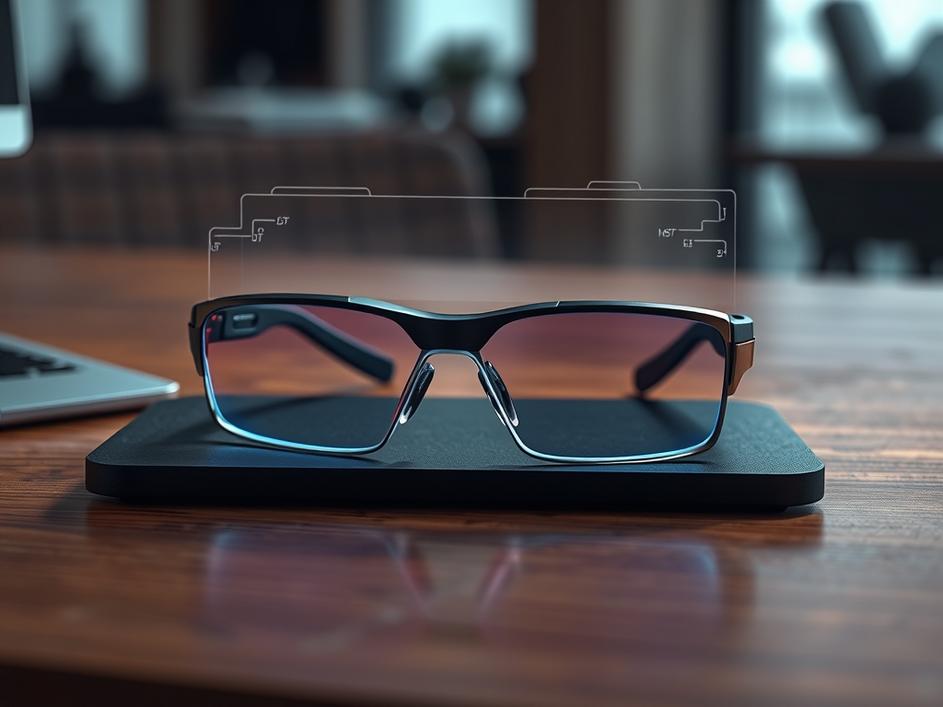
ToggleSnap finally put its long‑awaited AR glasses on shelves, and the price tag reads $2,195. That number feels high for many shoppers, but it also tells us that the technology is moving out of the prototype stage and into a product you can actually buy. The glasses look a bit like a sleek pair of sunglasses, with a thin frame that houses cameras, microphones and a small display that projects images onto the wearer’s field of view. Snap says the device can run its own apps, show notifications, and overlay simple graphics on the real world. For fans of the company’s Lens filters, this is the first time they can wear the effects rather than just see them on a phone screen. The launch comes at a time when several other firms are also pushing AR headsets toward the mainstream, making this a useful barometer for the whole market.
The AR wearables market has been inching forward for years, but it has never quite broken the $1,000 barrier for most consumers. Earlier attempts from big names either stayed in the hands of developers or were pulled back after disappointing sales. Snap’s pricing sits just above that historic line, suggesting they believe enough people are ready to spend a bit more for a polished experience. At the same time, the cost reflects the expense of the tiny cameras, custom lenses and the software stack that runs in real time. Compared with older models that cost several thousand dollars, this is a step toward affordability, even if it is still a stretch for the average buyer. The price also hints at where the industry thinks the sweet spot will be: high enough to cover the hardware, low enough to attract early enthusiasts.
The glasses themselves feel lighter than many of the earlier headsets that required a bulkier visor. Snap chose a glass‑filled polymer for the frame, which keeps the weight down while still feeling sturdy. Inside, two outward‑facing cameras capture the world at 12 megapixels, feeding data to a custom chip that handles image processing on the device. A tiny waveguide projects the digital overlay directly onto the lenses, so the user sees both the real scene and the added graphics at the same time. Battery life is advertised at around three hours of active use, which is decent for a first‑generation product but still limits all‑day wear. The touchpad on the temple lets you swipe through menus, and voice commands work with Snap’s own assistant. Overall, the hardware feels like a blend of a fashion accessory and a mini‑computer.
Snap is not alone in this race. Meta released its Quest Pro line last year, aiming at a mixed‑reality experience with a price close to $1,500, while rumors suggest Apple is working on a headset that could cost upwards of $3,000 when it finally arrives. Each company is taking a slightly different approach: Meta leans on a wider field of view, Apple is expected to focus on seamless integration with its ecosystem, and Snap is betting on its social‑media pedigree and lightweight design. The competition pushes everyone to improve battery, display clarity and software support. For consumers, the result is more choices, but also a confusing landscape of specs and app stores. Snap’s decision to price its glasses a bit higher than Meta’s entry point may be a way to signal premium quality, or simply reflect the cost of building a product that works well enough for daily wear.
So far, the reaction from early buyers has been mixed but curious. Tech reviewers praise the sleek look and the ease of pulling up a Snap Lens on the go, but they also note that the field of view is still narrow compared with larger headsets. Developers are already testing simple games, navigation overlays and remote‑work tools that could make the glasses feel more useful beyond novelty. For creators, being able to record video from the glasses while still seeing the world opens up new storytelling possibilities. On the other hand, the price keeps the device out of reach for most hobbyists, and the limited battery means you have to plan your sessions carefully. Still, the fact that people are willing to spend over two thousand dollars on a wearable that sits on their face shows a growing appetite for blended reality experiences.
Looking ahead, Snap’s entry could be the spark that nudges the whole sector toward a more affordable sweet spot. As component costs drop and software ecosystems mature, we can expect newer models to shave off a few hundred dollars each year. The current launch also forces other players to justify their own price tags, which may lead to more competition on features rather than just brand name. For everyday users, the biggest hurdle remains the question of why they would wear a screen on their face all day. If apps start delivering real value—like hands‑free instructions for repairs, live translation, or subtle health alerts—then the price will start to look like an investment rather than a luxury. In the meantime, Snap’s glasses give us a concrete glimpse of what AR could feel like, and that alone makes the $2,195 price worth a look.
Source: Original Article


Comments are closed