

We are a digital agency helping businesses develop immersive, engaging, and user-focused web, app, and software solutions.
2310 Mira Vista Ave
Montrose, CA 91020

2500+ reviews based on client feedback
What's Included?
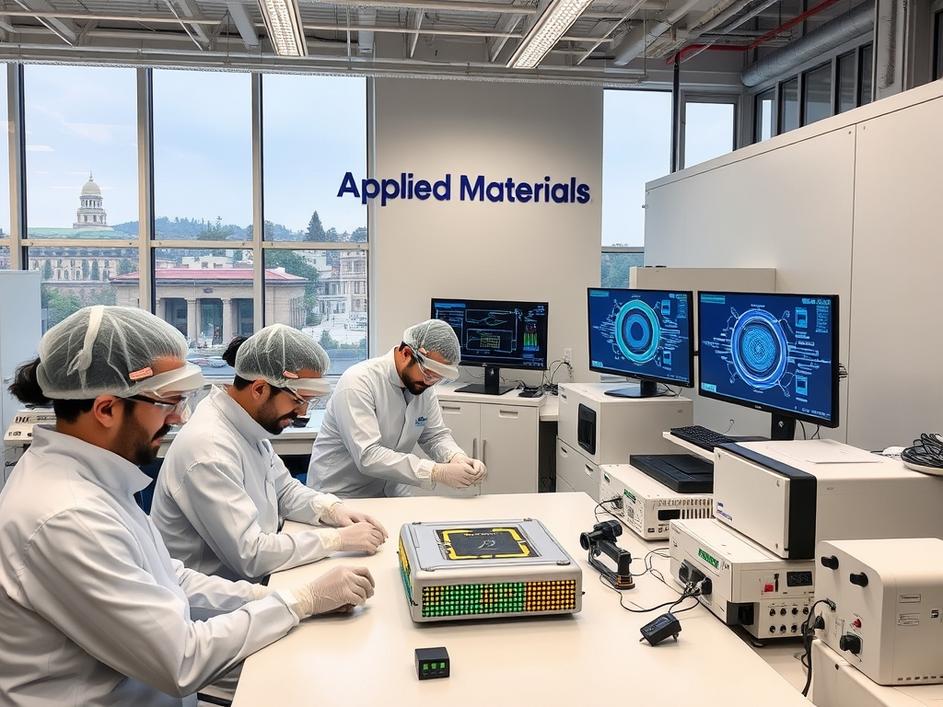
ToggleWhen Applied Materials announced a joint research push with UC Berkeley, the market took notice right away. The chip‑making equipment maker isn’t just adding a name to its press release; it is betting on a partnership that could speed up the design of next‑generation AI processors. For investors, that signal reads like a hint that the company wants to stay ahead of the curve in a space where demand is exploding. The stock rose a few points on the news, and traders began to ask whether this move could translate into higher margins down the road. In plain terms, people are looking at a possible new revenue stream that could lift earnings beyond the usual equipment‑sales cycle.
Applied Materials and Berkeley are setting up a joint lab focused on materials science, lithography tricks, and packaging techniques that are especially useful for AI chips. The university brings cutting‑edge research talent, while Applied Materials contributes the manufacturing know‑how and a path to scale. The goal is to create processes that can pack more transistors into a smaller area without blowing up costs. If they succeed, fab owners could churn out AI chips faster and cheaper, which would be a win for both the equipment maker and the chip designers who need those parts to feed large language models and other data‑hungry workloads.
Shortly after the announcement, the ticker ticked up about 4 percent, a move that suggests optimism but also a hint of caution. Some analysts see the partnership as a way for Applied Materials to capture a larger slice of the AI boom, while others warn that research timelines can be long and uncertain. The stock’s reaction also reflects a broader trend: investors are rewarding companies that show a clear plan to tap into AI‑related growth, not just those that claim to be in the space. In this case, the concrete tie‑up with a top university adds credibility that the market can measure.
The AI chip market is heating up faster than most people expected. Companies like Nvidia, AMD, and a growing list of startups are racing to deliver more compute per watt. That race puts pressure on the supply chain, especially on the equipment that makes the chips. Applied Materials sits at the heart of that chain, providing tools for deposition, etching, and inspection. By helping shape the next wave of chip designs, the Berkeley partnership could give Applied a seat at the table when new manufacturing standards are set. It also puts the company in a better position to sell upgraded tools to fabs that need to re‑tool for AI‑centric processes.
From where I sit, the news feels like a smart move that could pay off, but it isn’t a guarantee of immediate profit. The collaboration will likely take a few years before any new equipment shows up in a fab, and the financial impact will roll out gradually. Still, the fact that Applied Materials is actively seeking academic partnerships shows it isn’t resting on its laurels. For investors, the key will be to watch how quickly the joint research produces patents or prototype processes that can be commercialized. If that timeline shortens, the stock could see a stronger upside. Until then, the modest price bump seems justified as a signal that the market believes the company is positioning itself for the next chapter of AI hardware growth.
In the end, the Applied‑Berkeley tie‑up is more than a headline; it’s a glimpse of how the semiconductor ecosystem is trying to stay ahead of an ever‑faster AI demand curve. Whether that translates into big returns for shareholders will depend on execution, but the partnership certainly adds a layer of credibility to Applied Materials’s AI ambitions.
Source: Original Article



Comments are closed