

We are a digital agency helping businesses develop immersive, engaging, and user-focused web, app, and software solutions.
2310 Mira Vista Ave
Montrose, CA 91020

2500+ reviews based on client feedback
What's Included?
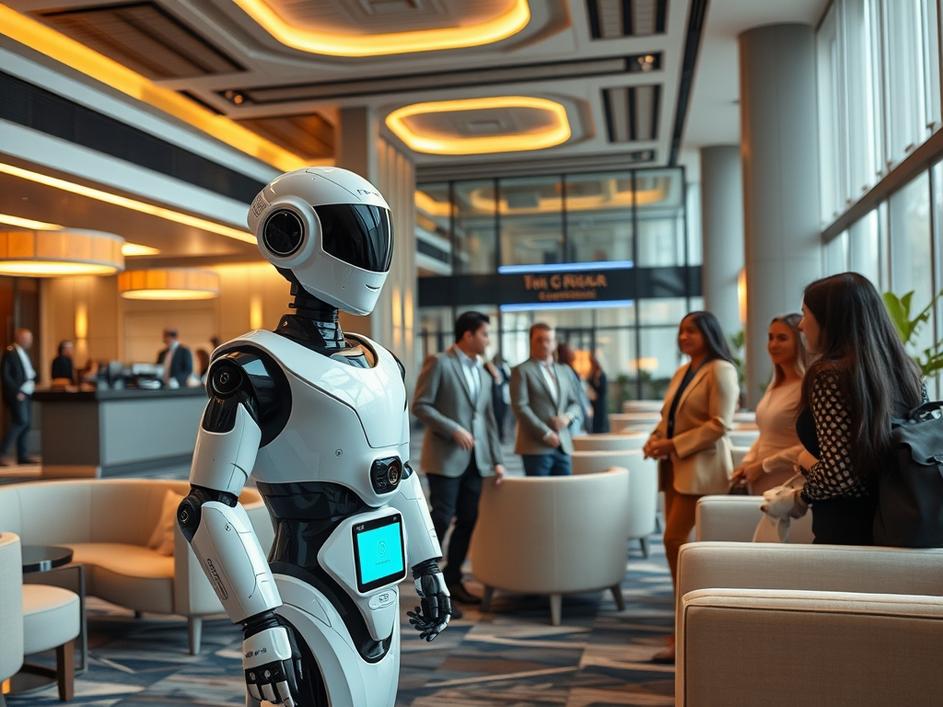
ToggleImagine walking into a hotel and being greeted, not by a person, but by a friendly AI assistant. Sounds like science fiction, right? Maybe not for long. There’s a growing buzz about how artificial intelligence could completely change the way hotels are managed and how we experience our stays. We’re not just talking about chatbots answering basic questions; the potential runs much deeper, impacting everything from personalized service to energy efficiency.
AI-powered property management systems are starting to emerge, and they offer some pretty impressive features. Think about it: an AI could analyze booking patterns to predict when the hotel will be busiest, allowing managers to staff accordingly. It could track room temperatures and adjust them automatically based on guest preferences and energy costs. And, it could personalize recommendations for local restaurants and attractions based on your past travel history and stated interests. This level of customization could lead to much happier guests and a more efficient operation for the hotel.
The beauty of AI is its ability to learn and adapt. As it gathers more data about guests, it can refine its recommendations and anticipate needs. For example, if you always order a latte with almond milk from room service, the AI will remember that for your next stay. If you tend to use the hotel gym in the mornings, it might send you a notification about a new fitness class. This kind of personalization goes way beyond what a human concierge could realistically manage for every guest.
It’s not just about the guest experience, though. AI can also streamline back-end operations. Imagine AI algorithms optimizing energy consumption by automatically adjusting lighting and HVAC systems based on occupancy and external weather conditions. Think about predictive maintenance, where AI analyzes data from equipment to identify potential problems before they lead to breakdowns. This could save hotels significant amounts of money and reduce their environmental impact. Furthermore, AI-driven systems can analyze reviews and feedback from various online platforms, providing valuable insights into areas where the hotel excels and where it needs improvement. This data-driven approach allows for continuous improvement and ensures that the hotel is meeting the evolving needs of its guests.
Of course, there are potential downsides. Some people might find the idea of interacting with AI impersonal or even creepy. There’s also the risk of data breaches and privacy concerns. And, what happens when the AI makes a mistake? Will there be a human employee available to step in and resolve the issue? It’s important to remember that AI should be seen as a tool to enhance the human experience, not replace it entirely. The best hotels will likely be those that find the right balance between technology and personal interaction. Even with sophisticated AI systems in place, the warmth and empathy of human staff will remain crucial for creating a truly memorable and welcoming atmosphere. Consider, too, the potential impact on employment within the hospitality sector. While AI may automate certain tasks, it also creates new opportunities for individuals skilled in areas like data analysis, AI maintenance, and customer service escalation. Retraining and upskilling initiatives will be essential to ensure that the workforce can adapt to these changes.
So, will AI transform hotel stays? It seems increasingly likely. The potential benefits are simply too significant to ignore. However, the key will be to implement these technologies in a way that enhances, rather than detracts from, the human experience. Hotels that can strike this balance will be well-positioned to thrive in the future of hospitality. The future may hold hotels that feel less like sterile institutions and more like extensions of our own personalized living spaces, all thanks to the intelligent application of artificial intelligence. As AI systems become more intuitive and integrated, the possibilities for enhancing the guest experience are virtually limitless.
Ultimately, the success of AI in hotels depends on thoughtful planning and implementation. Hotels must prioritize data security and privacy, ensuring that guest information is protected. They also need to invest in training their staff to work alongside AI systems effectively. By embracing these technologies responsibly, hotels can create a more efficient, personalized, and enjoyable experience for their guests, while also improving their bottom line. As we look ahead, the integration of AI into hotel management promises to reshape the hospitality landscape, offering new possibilities for both businesses and travelers alike.



Comments are closed