

We are a digital agency helping businesses develop immersive, engaging, and user-focused web, app, and software solutions.
2310 Mira Vista Ave
Montrose, CA 91020

2500+ reviews based on client feedback
What's Included?
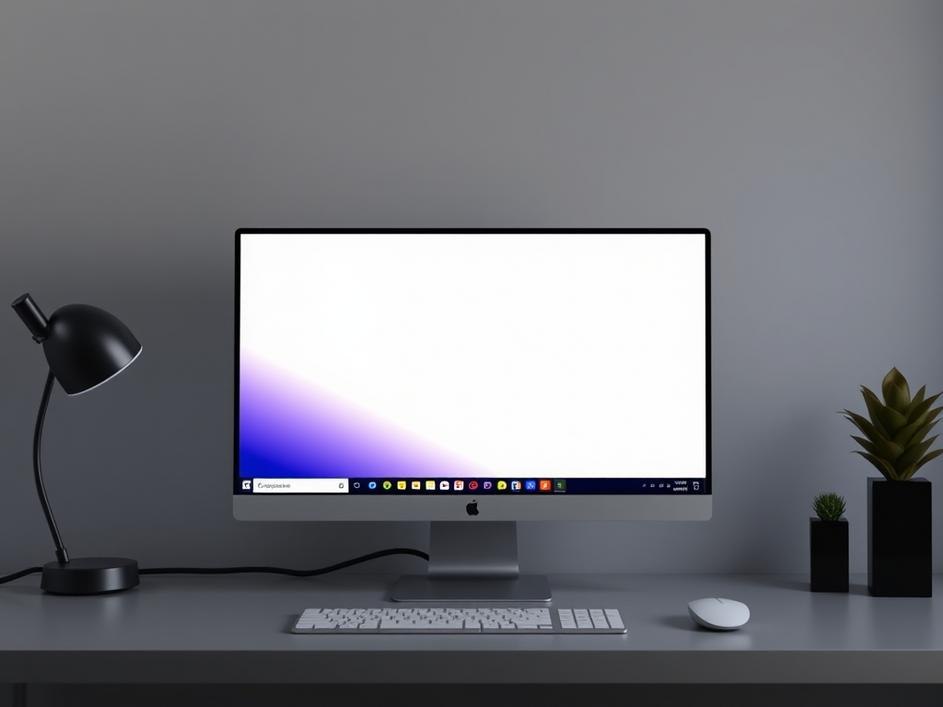
ToggleFor years, Windows has been Windows, a distinct operating system with its own set of quirks and design choices. But whispers are circulating about a potential change that could blur the lines between Windows and its competitors, macOS and Linux. Microsoft is reportedly experimenting with a top menu bar for Windows 11, a feature long associated with Apple’s macOS and various Linux distributions. This “Command Palette Dock,” as Microsoft is internally calling it, would essentially place a persistent menu at the very top of the screen, offering quick access to system commands and application features.
Interestingly, this exploration isn’t coming directly from the core Windows development team. Instead, it’s the PowerToys team that’s taking the lead. PowerToys, for those unfamiliar, is a set of utilities designed for power users to tweak and customize their Windows experience. These tools often provide functionality that’s not natively available in the operating system. The fact that this top menu bar is being explored through PowerToys suggests that Microsoft is testing the waters, gauging user interest before potentially integrating it into the main Windows build.
So, why consider adding a top menu bar to Windows 11? There are several potential advantages. For one, it could improve discoverability. Instead of hunting through individual application menus, users could have a centralized location for common commands. This could streamline workflows and make it easier for users to find the features they need. Also, it could provide a consistent interface across different applications. Imagine always knowing exactly where to go for “File,” “Edit,” or “View” options, regardless of the program you’re using. That consistency could be a real boon for productivity.
Of course, adding a top menu bar isn’t without its risks and challenges. One major hurdle is user familiarity. Windows users have been accustomed to the traditional menu system for decades. Introducing a top menu bar could confuse some users, especially those who are less tech-savvy. There’s also the issue of screen real estate. A persistent menu bar takes up space, and that space might be better used for displaying application content, particularly on smaller screens. Furthermore, Microsoft would need to carefully consider how the top menu bar integrates with existing Windows features, such as the taskbar and the Start menu. A poorly implemented menu bar could feel clunky and out of place.
It’s ironic that Microsoft is considering a top menu bar, considering that older versions of Windows, particularly those predating Windows 95, often had a similar structure in many applications. This experimental feature can be viewed as a call back to those designs, albeit with modern sensibilities. It could also be seen as an admission that macOS has a good idea and Microsoft is willing to borrow the best from their competition. Competition drives innovation, after all.
This potential change might signal a broader shift in Microsoft’s design philosophy. The company seems to be increasingly open to adopting ideas from other operating systems, and that’s not necessarily a bad thing. The key is to implement these ideas in a way that feels natural and intuitive for Windows users. This top menu bar experiment is a bold move, and the direction it takes could significantly impact the future of Windows 11’s user interface.
The success of this top menu bar will depend heavily on user feedback. If the PowerToys team releases a preview version, it will be crucial for users to try it out and provide their thoughts. Microsoft needs to listen carefully to this feedback and iterate on the design based on what users are saying. This isn’t just about adding a new feature; it’s about improving the overall Windows experience. And a good user experience depends on a good understanding of user needs. The future of Windows might just be at the top of your screen.
For now, the top menu bar remains an experiment. There’s no guarantee that it will ever make its way into the official Windows 11 release. But the fact that Microsoft is even considering such a change is noteworthy. It suggests that the company is willing to challenge its own assumptions and explore new ways of improving the Windows user interface. Only time will tell if this experiment will pay off, but it’s certainly something to keep an eye on.


Comments are closed