

We are a digital agency helping businesses develop immersive, engaging, and user-focused web, app, and software solutions.
2310 Mira Vista Ave
Montrose, CA 91020

2500+ reviews based on client feedback
What's Included?
ToggleFor years, the idea of a handheld Xbox has been the stuff of gamer dreams. Since the original Xbox launched, whispers and speculation have circulated about a portable device that could bring the Xbox experience to your hands, untethered from the TV. Is this finally becoming a reality? The excitement is building, but it’s important to approach the rumors with a healthy dose of skepticism and consider what it would really mean for the gaming landscape.
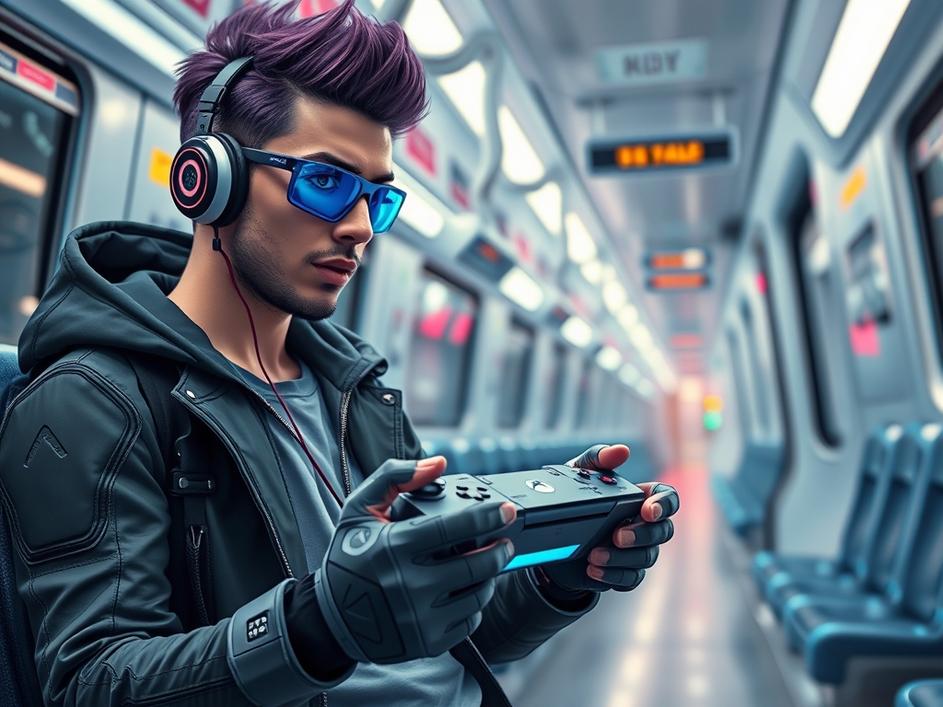
The appeal is obvious: Xbox games on the go. Imagine playing the latest Halo or Forza on your commute, during a lunch break, or while traveling. The Nintendo Switch has proven the demand for portable gaming, and a handheld Xbox could tap into that market in a big way. But it’s not just about playing existing games on a smaller screen. A dedicated handheld could also open the door to new game experiences designed specifically for portable play. This could mean shorter, more focused gameplay sessions, innovative control schemes, and games that leverage the unique capabilities of a handheld device.
Creating a powerful handheld console that can run Xbox games is no easy feat. The biggest challenge is balancing performance with battery life and form factor. You need a device that’s powerful enough to deliver a satisfying gaming experience without draining the battery in an hour or being too bulky to carry comfortably. Microsoft has a few options here. They could leverage cloud gaming through Xbox Cloud Gaming, which streams games to the device, reducing the need for powerful internal hardware. Or, they could design a custom chip specifically for the handheld, optimizing performance and power consumption. Or it could play native games only optimized for the device.
The handheld gaming market is already crowded, with the Nintendo Switch dominating the space. Steam Deck is also a contender that offers PC gaming on the go. A new Xbox handheld would have to differentiate itself to stand out. This could mean offering a unique feature set, a competitive price point, or access to exclusive games and services. One advantage Microsoft has is its Xbox Game Pass subscription service, which offers a huge library of games for a monthly fee. Imagine being able to access all those games on a handheld device! That would be a compelling selling point.
So, is a handheld Xbox worth the wait? On one hand, it could be a fantastic way to expand the Xbox ecosystem and reach new gamers. The ability to play Xbox games on the go is a tempting proposition, and Microsoft has the resources and expertise to create a compelling device. On the other hand, there are significant technical and market challenges to overcome. The handheld market is competitive, and it’s not clear if there’s enough demand for another dedicated gaming device, especially if it’s priced too high. Ultimately, the success of a handheld Xbox will depend on Microsoft’s ability to deliver a device that’s powerful, affordable, and offers a unique and compelling gaming experience. If they can pull that off, it could be a game-changer. If not, it could be another failed attempt to break into the portable gaming market.
Price will be a huge factor in determining whether a handheld Xbox takes off. If it’s priced too high, it will only appeal to a niche audience. To compete with the Nintendo Switch and Steam Deck, Microsoft will need to find a sweet spot that balances performance and affordability. This could mean offering different models at different price points, with varying levels of storage and features.
Hardware is only half the battle. The success of a handheld Xbox will also depend on the software and services that are available. Xbox Game Pass would be a killer app, giving players access to a vast library of games. Microsoft will also need to work with developers to create new games and experiences that are specifically designed for the handheld platform. This could mean smaller, more focused games that are perfect for portable play, as well as innovative control schemes that take advantage of the device’s unique features.
The prospect of a handheld Xbox is exciting, but it’s important to be realistic about the challenges involved. Microsoft has the potential to create a great device, but they need to get the hardware, software, and price right. The handheld gaming market is competitive, and consumers have high expectations. Only time will tell if Microsoft can deliver a handheld Xbox that lives up to the hype. But if they do, it could be a major win for gamers and for the Xbox brand.



Comments are closed