

We are a digital agency helping businesses develop immersive, engaging, and user-focused web, app, and software solutions.
2310 Mira Vista Ave
Montrose, CA 91020

2500+ reviews based on client feedback
What's Included?
ToggleMicrosoft has shaken things up in its gaming division. Asha Sharma is now the Executive Vice President and CEO of Microsoft Gaming, a pretty big deal considering how important Xbox is to the company. Phil Spencer held the position before. It shows Microsoft is serious about gaming’s future. And Sharma’s already making waves with her thoughts on artificial intelligence.
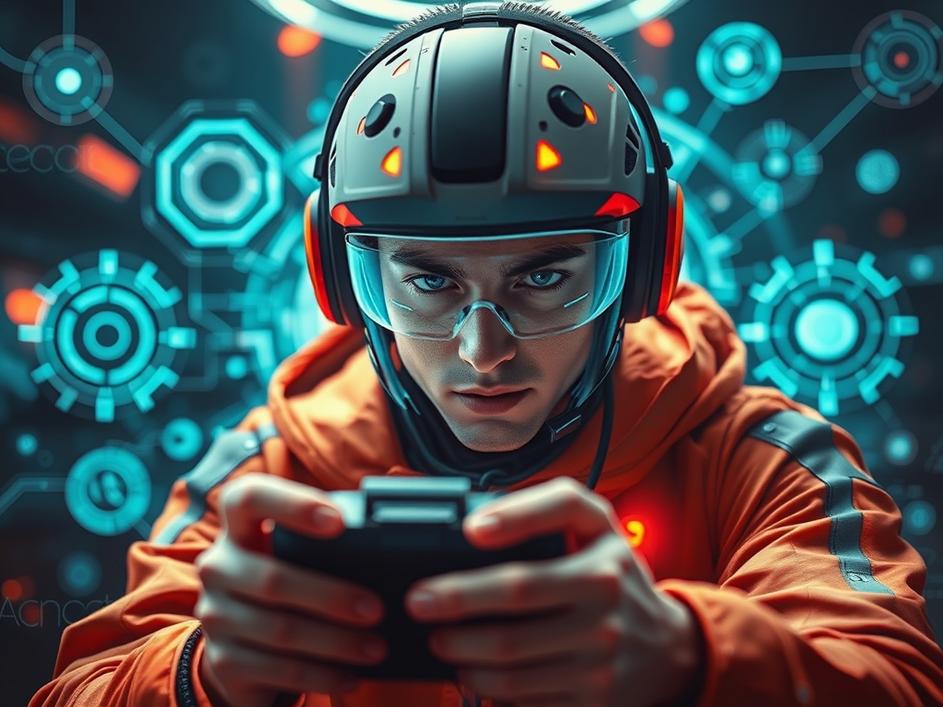
Sharma seems to think AI can change the game – literally. She’s been talking about how AI could create more personalized gaming experiences. Imagine games that adapt to your play style, offering challenges that are perfectly tuned to your skill level. No more getting stuck on ridiculously hard bosses or breezing through levels that are too easy. AI could also help generate new content, like quests and storylines, potentially making games feel fresh and exciting for much longer.
But it’s not just about making enemies tougher or the game world prettier. Sharma hints at AI playing a role in game development itself. Think about it: AI could help developers create realistic environments, design compelling characters, and even debug code. This could speed up the development process, allowing studios to bring new ideas to life more quickly. And that means more games, more often.
Of course, there are potential downsides. Some people are worried about AI taking jobs away from human developers. Others are concerned about the ethical implications of AI-generated content. Will it be possible to tell the difference between something created by a human and something created by an AI? And what happens when AI starts creating games that are too addictive or manipulative?
Another thing to think about is how AI will affect the creative process. Games are art, and art is often about expressing human emotions and experiences. Can AI truly replicate that? Can it capture the nuances of human relationships or the complexities of moral dilemmas? Probably not, at least not yet. There’s a real danger that over-reliance on AI could lead to games that feel generic and soulless. The key will be finding a balance between AI assistance and human creativity. AI should be a tool to enhance the creative process, not replace it entirely. Developers need to use AI responsibly, focusing on ways to improve the player experience without sacrificing the artistic integrity of their games. And players need to be aware of the potential limitations and biases of AI-generated content.
The biggest question is, will all this AI stuff actually make games more fun? Smarter AI doesn’t automatically equal better gameplay. Many of the most beloved games of all time are relatively simple from a technical standpoint. It’s the gameplay mechanics, the storytelling, and the emotional connection with the characters that make them special. AI has the potential to enhance these things, but it could also detract from them if not implemented carefully. Imagine a game where the AI is constantly trying to predict your every move, tailoring the experience to maximize engagement. That might sound appealing, but it could also feel manipulative and exhausting. Sometimes, the best gaming experiences are the ones that are unpredictable and challenging, the ones that force you to think outside the box and adapt to unexpected situations. It’s important to remember that fun is subjective, and what one person finds enjoyable, another might find frustrating.
Sharma’s vision for AI in gaming is definitely ambitious, and it’s exciting to think about the possibilities. But there are also challenges and potential pitfalls to consider. It will be interesting to see how Microsoft navigates this new landscape and how other gaming companies respond. One thing is clear: AI is going to play an increasingly important role in the future of gaming. It’s up to us to make sure that it’s used in a way that benefits both developers and players. If done right, AI could bring us richer, more immersive, and more personalized gaming experiences than ever before. And that’s something to be excited about.
Ultimately, Asha Sharma’s appointment signals a significant shift in Microsoft’s approach to gaming, with AI taking center stage. Whether this gamble pays off remains to be seen, but it’s a development that gamers and industry watchers alike will be following closely. The promise of personalized experiences and accelerated development cycles is enticing, but the industry must proceed cautiously, ensuring that the human element and creative spark aren’t lost in the process. The future of gaming may well be intertwined with AI, but it’s the human touch that will ultimately determine its success.


Comments are closed