

We are a digital agency helping businesses develop immersive, engaging, and user-focused web, app, and software solutions.
2310 Mira Vista Ave
Montrose, CA 91020

2500+ reviews based on client feedback
What's Included?
ToggleXi’an, a city steeped in history as one of China’s ancient capitals, is gearing up for a Spring Festival like no other. Forget just red lanterns and firecrackers; this year, the city is embracing technology to enhance the traditional festivities. The 2026 “Xi’an Year • Best of China” celebration promises a unique blend of ancient customs and cutting-edge digital experiences, aiming to attract visitors and showcase the city’s innovative spirit.
The festivities officially began on January 26th with the Laba Festival, often considered a prelude to the Spring Festival. The launch ceremony signaled the start of a series of events designed to immerse both locals and tourists in a digitally enriched cultural experience. This isn’t just about watching a parade; it’s about participating in a digital tapestry woven into the fabric of the traditional celebrations.
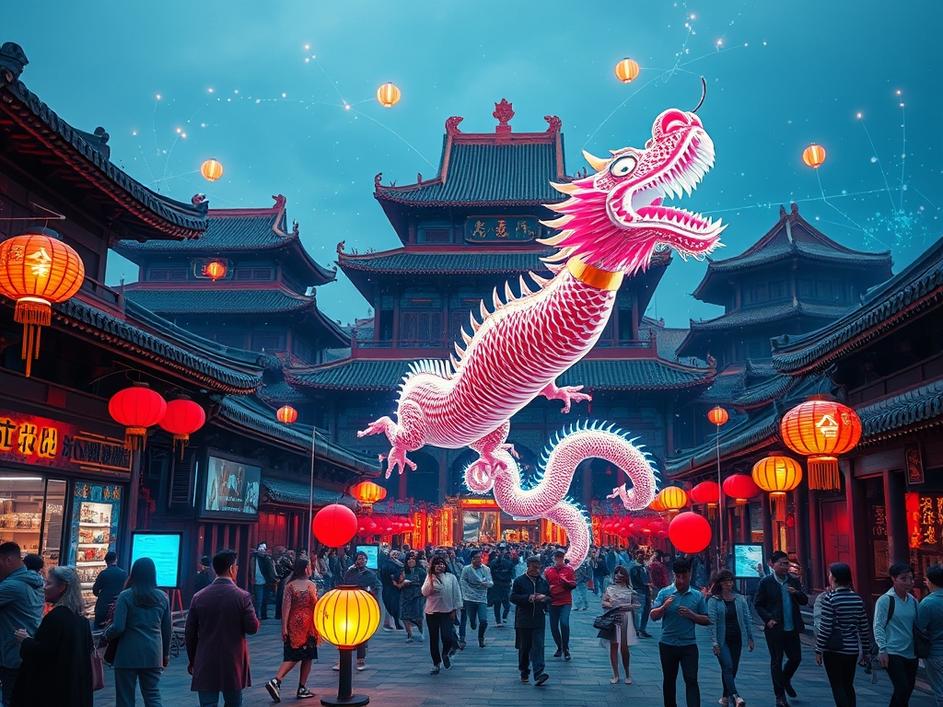
What does a “digital” Spring Festival actually look like? Think augmented reality experiences overlaid onto historical landmarks, interactive light shows that respond to the audience, and virtual tours that transport you back in time to witness ancient rituals. Imagine walking through the Terracotta Army Museum and using your phone to see the warriors come to life with AR animations or participating in a virtual dragon dance that spans the city walls. These tech-infused experiences are designed to engage younger generations and offer a fresh perspective on time-honored traditions.
This initiative is more than just a festive makeover; it’s a strategic move to boost tourism and position Xi’an as a forward-thinking city. By blending its rich cultural heritage with modern technology, Xi’an hopes to attract a wider range of visitors, including tech enthusiasts and younger travelers who are seeking unique and shareable experiences. The Spring Festival is already a major tourist season in China, and by adding a digital layer, Xi’an aims to stand out from the crowd and capture a larger share of the market. The plan to create content that will go viral on social media means the festival is designed with modern consumption habits in mind.
But can technology truly enhance a traditional festival, or does it risk diluting its authenticity? This is a question many cultural heritage sites grapple with as they navigate the digital age. The key lies in striking a balance between innovation and preservation. Technology should serve as a tool to amplify and enhance the existing cultural elements, not replace them. It’s about creating new ways to engage with the traditions, making them more accessible and relevant to a wider audience, while still honoring their historical significance.
The digital Spring Festival also aligns with Xi’an’s broader ambitions to become a “smart city.” By investing in digital infrastructure and promoting technological innovation, the city is laying the groundwork for a future where technology is seamlessly integrated into all aspects of urban life. This includes everything from transportation and healthcare to education and tourism. The Spring Festival serves as a showcase for the city’s technological capabilities and its commitment to creating a more livable and sustainable urban environment. Smart city initiatives include using AI to manage crowds, digital payment options and smart public transport solutions.
Of course, there are challenges to overcome. Ensuring equitable access to technology for all residents, protecting user privacy, and managing the environmental impact of digital infrastructure are all important considerations. However, the potential benefits are enormous. By embracing technology in a thoughtful and responsible way, Xi’an can not only enhance its Spring Festival celebrations but also create a more vibrant, innovative, and inclusive city for all.
Xi’an’s digital Spring Festival offers a glimpse into the future of cultural celebrations. As technology continues to evolve, we can expect to see more and more cities embracing digital tools to enhance their traditions and attract visitors. The key will be to find the right balance between innovation and preservation, ensuring that technology serves as a catalyst for cultural enrichment, not a replacement for it. This festival represents an exciting step towards harmonizing history and technology.


Comments are closed