

We are a digital agency helping businesses develop immersive, engaging, and user-focused web, app, and software solutions.
2310 Mira Vista Ave
Montrose, CA 91020

2500+ reviews based on client feedback
What's Included?
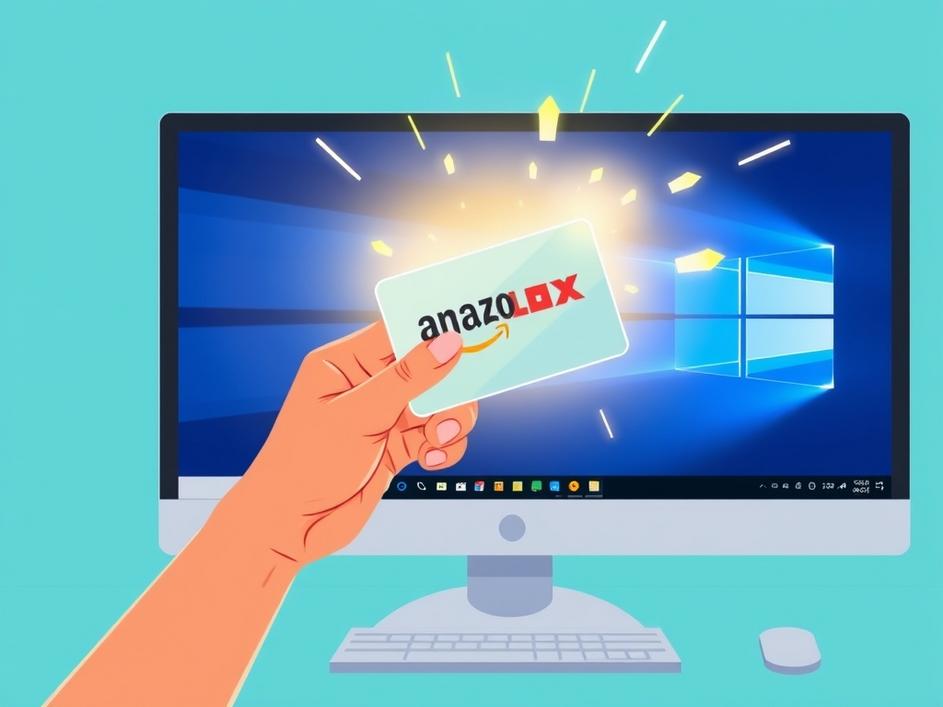
ToggleWho doesn’t love getting something for nothing? It’s a simple joy, a little boost in our day. So, when news started buzzing about Microsoft, the giant behind Windows, offering free gift cards to its users, ears naturally perked up. We’re talking about real value here, not just virtual points that collect dust. Imagine getting a pop-up on your Windows computer, not about an update you’ve been putting off, but about a chance to earn actual gift cards. This isn’t a drill or some internet scam; it’s a confirmed initiative directly from Microsoft. For years, companies have tried to keep us loyal, but very few have offered direct, tangible rewards right on our desktops. This move is certainly grabbing attention, and it’s making a lot of Windows users wonder, “Is this for real?” Well, it is, and it opens up a neat little opportunity for pretty much anyone running their operating system.
So, what’s the deal with these free gift cards? It boils down to Microsoft’s established rewards program, but with a more direct and noticeable push. Essentially, you’ll start seeing special pop-up offers on your Windows PC. These offers are tied into activities that earn you points through Microsoft Rewards. Think of it like a loyalty program, but specifically for Windows users. You might earn points for using certain Microsoft services, searching with Bing, or even just engaging with the operating system in specific ways. Once you collect enough points, you can then trade them in for gift cards from popular retailers. We’re talking about names like Amazon, or even gaming credits like Roblox points for the younger crowd (or young at heart). It’s a pretty straightforward system: do stuff on Windows, get points, convert points into stuff you actually want. The key here is the pop-up notification – it’s Microsoft actively prompting you to engage and reminding you of the value waiting for you, making the whole process much more visible than before.
Now, let’s put on our thinking caps for a moment. Why would Microsoft, a multi-billion dollar company, start handing out free gift cards? It’s not out of pure generosity, though a nice perk for users is always welcome. This is a smart strategic move. In today’s highly competitive tech world, companies are constantly battling for our attention and loyalty. Microsoft wants you to stick with Windows, to use their services, and to see value in their ecosystem. By offering tangible rewards, they’re creating a stronger incentive to stay engaged. Think about it: if using Bing earns you points towards an Amazon gift card, are you more likely to switch back to Google? Probably not as much. This isn’t just about giving away money; it’s about making Windows a stickier, more attractive platform. It’s a way to deepen user engagement, encourage the use of less-popular Microsoft services, and ultimately, reinforce the habit of being a Windows-first user. It’s a long game, ensuring their massive user base feels appreciated and, more importantly, stays put.
Of course, not everyone will jump for joy at the sight of another pop-up. Some users might find them intrusive, even if the message is about free stuff. There’s always a fine line between a helpful nudge and an annoying interruption. However, for many, the prospect of earning free money or game credits just by doing things they already do (or slightly tweaking their habits) will be a welcome bonus. It’s a low-effort way to get a little something extra. My take is that the benefit here likely outweighs the minor annoyance for the majority. We’re already bombarded with ads and notifications from all corners of the internet; at least this one comes with a potential payday. It encourages a deeper look into the Microsoft Rewards program for those who might have overlooked it before, transforming a passive program into an active invitation. It’s a clear signal from Microsoft that they value your time and attention, and they’re willing to put some real-world value behind that sentiment.
This initiative could signal a shift in how operating system providers interact with their users. For a long time, the OS was just the framework – you paid for it (or it came with your PC), and that was that. Now, with subscription models, cloud services, and cross-device integration becoming the norm, companies like Microsoft are looking for continuous engagement. This gift card offer isn’t just a temporary promotion; it feels like an evolution of the relationship between a tech giant and its users. It raises questions: will other OS providers follow suit? Could we see Apple offering rewards for using iCloud or Google giving perks for Android engagement? It turns the operating system from a static tool into a dynamic platform that actively rewards its most loyal participants. This move could set a precedent, pushing the entire industry to think more creatively about how they incentivize user loyalty and engagement beyond just software updates and new features.
In conclusion, Microsoft’s decision to offer free gift cards through targeted pop-ups on Windows PCs is more than just a nice gesture. It’s a smart, strategic play designed to deepen user engagement, encourage the use of their services, and solidify their position in a crowded tech landscape. For users, it’s a genuine opportunity to get some real-world value simply by interacting with an operating system they already use. While some might be wary of the pop-ups, the appeal of free Amazon credit or Roblox points is hard to ignore. It’s a win-win, really: Microsoft strengthens its ecosystem, and you get a little something extra in your pocket. So, next time that pop-up appears on your screen, don’t dismiss it as just another notification. It could be your Windows PC literally handing you a small, but very real, payday. It’s a reminder that in the digital age, your attention truly has value, and sometimes, companies are willing to pay for it.


Comments are closed