

We are a digital agency helping businesses develop immersive, engaging, and user-focused web, app, and software solutions.
2310 Mira Vista Ave
Montrose, CA 91020

2500+ reviews based on client feedback
What's Included?
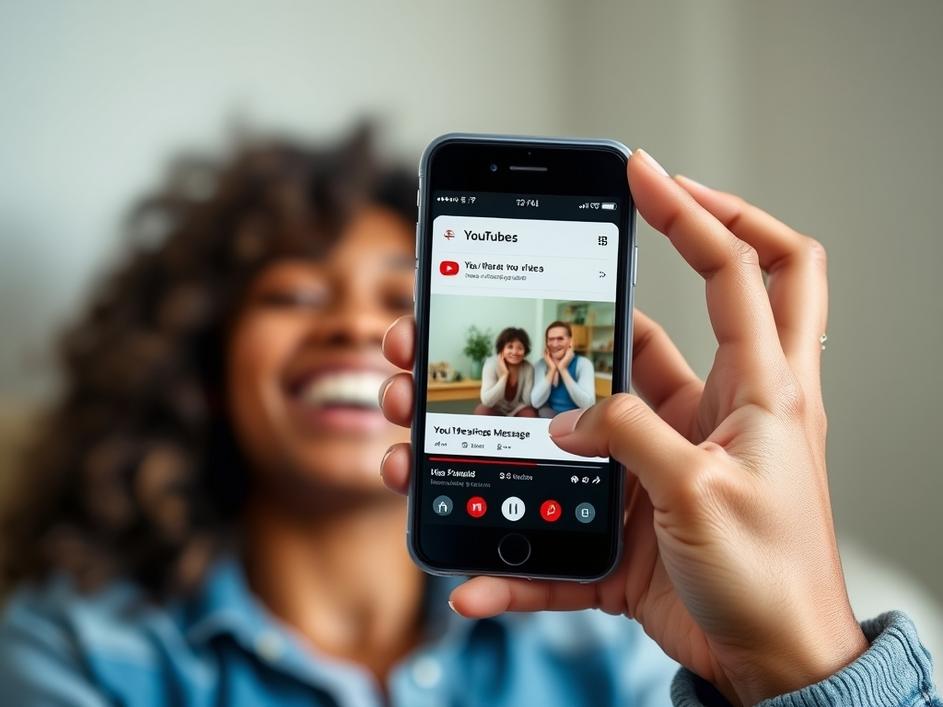
ToggleYouTube is stepping up its social game! They’re rolling out a direct messaging feature in over 30 European countries. This means you can now share videos and chat with your friends right inside the YouTube app. It’s a pretty big deal and could change how we use the platform. No more switching between apps to share that hilarious cat video; you can do it all in one place.
So, how does this whole direct messaging thing work? Well, it’s pretty straightforward. You can select a video and then share it directly with a friend or group of friends through the app. It creates a chat window where you can discuss the video, add comments, and even share other videos. Think of it like a mini social network built right into YouTube. It’s designed to keep you engaged and connected without ever leaving the platform.
Why is YouTube suddenly interested in direct messaging? The answer is simple: engagement. YouTube wants you to spend as much time as possible on their platform. The more time you spend, the more ads you see, and the more money they make. By adding direct messaging, they’re making it easier for you to share content and have conversations, which naturally leads to more time spent on the app. Plus, it helps them compete with other social media platforms that already have strong messaging features.
Speaking of competition, this move puts YouTube directly in competition with platforms like TikTok, Instagram, and even Facebook. All of these platforms have strong direct messaging capabilities, and people use them to share videos and connect with friends every day. YouTube is essentially trying to claw back some of that attention by offering a similar experience within its own ecosystem. It’s a smart move, and it could help them attract and retain users who might otherwise be tempted to switch to another platform.
Of course, with any new social feature, there are always privacy concerns to consider. Will YouTube be monitoring these direct messages? How will they handle spam and abuse? These are important questions that YouTube needs to address to ensure that users feel safe and secure using the new feature. There’s also the potential for the feature to become cluttered with unwanted messages and notifications. YouTube will need to find a way to strike a balance between encouraging engagement and preventing the feature from becoming overwhelming.
This direct messaging feature is just one example of how YouTube is evolving beyond being just a video-sharing platform. They’re increasingly focused on building a community and fostering connections between users. We’re already seeing this with features like community posts and live streams, and direct messaging is the next logical step in that direction. It’s clear that YouTube wants to be more than just a place to watch videos; they want to be a social hub where people can connect, share, and interact with each other.
What does this mean for content creators? Well, it could be a good thing. Direct messaging provides a new way for creators to connect with their audience and build relationships. They can share exclusive content, answer questions, and even get feedback directly from their fans. This could lead to a more engaged and loyal audience, which is always a positive for creators. However, it also means that creators will need to manage another communication channel, which could add to their already busy schedules.
Let’s be real, there’s a chance this direct messaging thing could get annoying. Imagine getting spammed with random video links or having your inbox flooded with messages. YouTube needs to have strong filters and controls in place so people can manage their messages and block unwanted contacts. If they don’t, this feature could quickly become a headache rather than a helpful tool. User experience will be key to making this a success.
Overall, the addition of direct messaging to YouTube is a promising experiment. It has the potential to increase engagement, foster community, and help YouTube compete with other social media platforms. However, it also comes with potential challenges, such as privacy concerns and the risk of spam. It will be interesting to see how YouTube addresses these challenges and how users ultimately adopt the new feature. One thing is for sure: YouTube is changing, and it’s becoming more social than ever before.


Comments are closed