

We are a digital agency helping businesses develop immersive, engaging, and user-focused web, app, and software solutions.
2310 Mira Vista Ave
Montrose, CA 91020

2500+ reviews based on client feedback
What's Included?
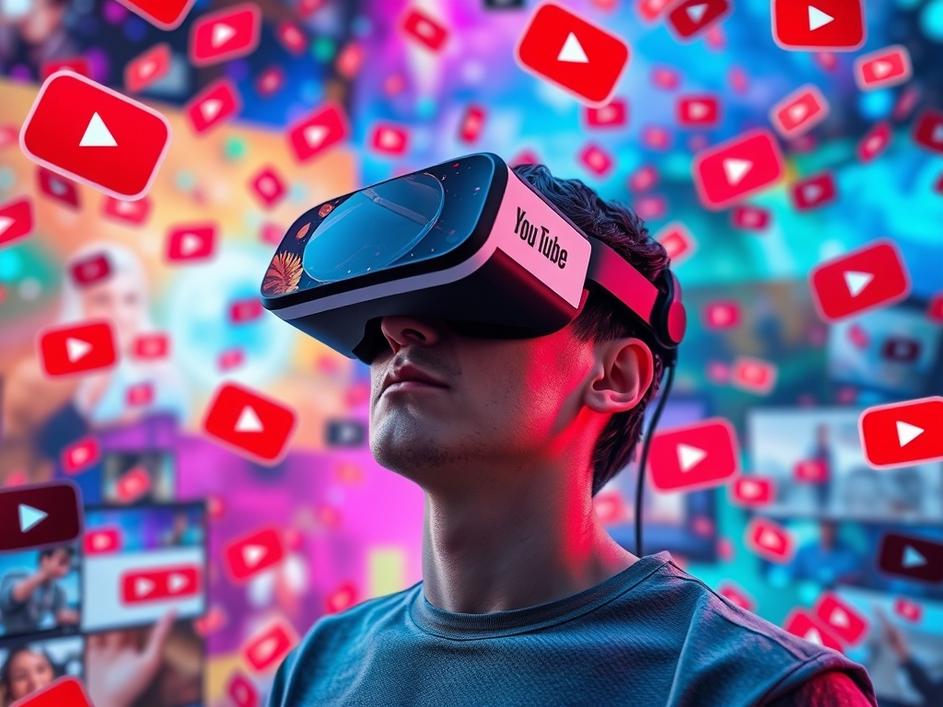
ToggleAfter what felt like an eternity in tech years, YouTube has finally launched a dedicated app for the Apple Vision Pro. When the Vision Pro first hit the market, YouTube initially took the web-based route, which left many early adopters feeling a bit underwhelmed. The absence of a native app for such a visually immersive platform was a glaring omission, but now, the wait is over. Users can now access YouTube directly from their headsets with a purpose-built application.
The initial decision to forgo a native app raised eyebrows. Some speculated that Google, YouTube’s parent company, was hesitant to fully embrace the Vision Pro due to its high price point and perceived niche market. Others believed that Google might have been waiting to see how the platform evolved before committing significant development resources. Or, perhaps they were working on fine-tuning the app to ensure it delivered an exceptional user experience from day one. The truth is probably a combination of these factors. Whatever the reason, the launch of the dedicated app signals a shift in strategy and a renewed commitment to the Vision Pro ecosystem.
So, what can Vision Pro users expect from this new app? First and foremost, expect a more seamless and intuitive experience compared to using YouTube through a web browser. The app is designed specifically for the Vision Pro’s spatial computing environment, meaning it takes full advantage of the headset’s capabilities. This includes optimized video playback, support for spatial audio, and intuitive controls that leverage the Vision Pro’s hand-tracking and eye-tracking technology. Users should also anticipate features like personalized recommendations, the ability to create playlists, and seamless integration with their existing YouTube accounts.
But the real potential lies in the immersive experiences the native app can unlock. Imagine watching 360-degree videos that transport you to exotic locations or attending virtual concerts from the comfort of your living room. The Vision Pro, combined with YouTube’s vast library of content, creates opportunities for truly unique and engaging experiences. This is where YouTube can really shine on the Vision Pro, offering something that goes beyond simply watching videos on a bigger screen. The possibilities are endless, from educational content that brings history to life to interactive gaming experiences that blur the line between reality and the digital world.
YouTube’s arrival on the Vision Pro also intensifies the competition in the spatial video space. Other platforms are already experimenting with immersive content, and YouTube’s entry will undoubtedly push the boundaries of what’s possible. Content creators will be incentivized to develop innovative experiences that take full advantage of the Vision Pro’s capabilities, leading to a richer and more diverse ecosystem of spatial video content. This competition is ultimately good for consumers, as it drives innovation and ensures that they have access to the best possible experiences.
One question that remains is whether YouTube’s arrival is too late. The Vision Pro has been on the market for a while, and some users may have already found alternative ways to consume YouTube content. However, the launch of a dedicated app is a significant step forward, and it’s likely to attract new users and re-engage those who were previously dissatisfied with the web-based experience. The key will be for YouTube to continue to invest in the app, adding new features and improving performance to ensure it remains a compelling option for Vision Pro users.
Ultimately, YouTube’s decision to launch a dedicated Vision Pro app reflects a broader trend towards spatial computing. As virtual and augmented reality technologies become more mainstream, platforms like YouTube will need to adapt and evolve to meet the changing needs of consumers. The Vision Pro is just one example of this, and it’s likely that we’ll see YouTube developing similar apps for other spatial computing platforms in the future. The future of video consumption is immersive and interactive, and YouTube is positioning itself to be a leader in this space.
This launch also has huge implications for content creators. The Vision Pro offers a new canvas for creativity, and creators who are willing to experiment with spatial video and immersive experiences will have a unique opportunity to reach a new audience. YouTube is likely to provide tools and resources to help creators develop content specifically for the Vision Pro, and this could lead to a new wave of innovation in the video industry. Creators who embrace this technology early on could gain a significant competitive advantage.
The launch of a dedicated YouTube app for the Apple Vision Pro is a welcome addition to the platform’s ecosystem. While the delay may have frustrated some users, the arrival of a native app promises a more seamless, immersive, and engaging experience. However, this is just the beginning. YouTube needs to continue to innovate and invest in the app to ensure it remains a compelling option for Vision Pro users. And content creators need to embrace the opportunities that spatial video presents to create truly unique and transformative experiences. The future of video is spatial, and YouTube is now officially part of the journey.


Comments are closed