

We are a digital agency helping businesses develop immersive, engaging, and user-focused web, app, and software solutions.
2310 Mira Vista Ave
Montrose, CA 91020

2500+ reviews based on client feedback
What's Included?
ToggleYouTube has been on a banning spree lately, and creators are getting worried. It seems like channels are disappearing left and right, sometimes with little to no explanation. One recent case that’s got the community buzzing involves a Pokémon content creator who got flagged for copyright infringement… on his own videos. This raises a lot of questions about the platform’s moderation system and where YouTube is headed.
The bizarre case of the Pokémon YouTuber highlights a growing concern: the over-reliance on AI moderation. While AI can be useful for catching blatant copyright violations or harmful content, it often lacks the nuance to understand context. In this instance, the AI seems to have mistakenly identified the creator’s own content as stolen, resulting in a ban. This kind of error not only hurts creators but also erodes trust in the platform itself. And it makes you wonder, if this is happening to bigger channels, what is happening to smaller ones that cannot fight back?
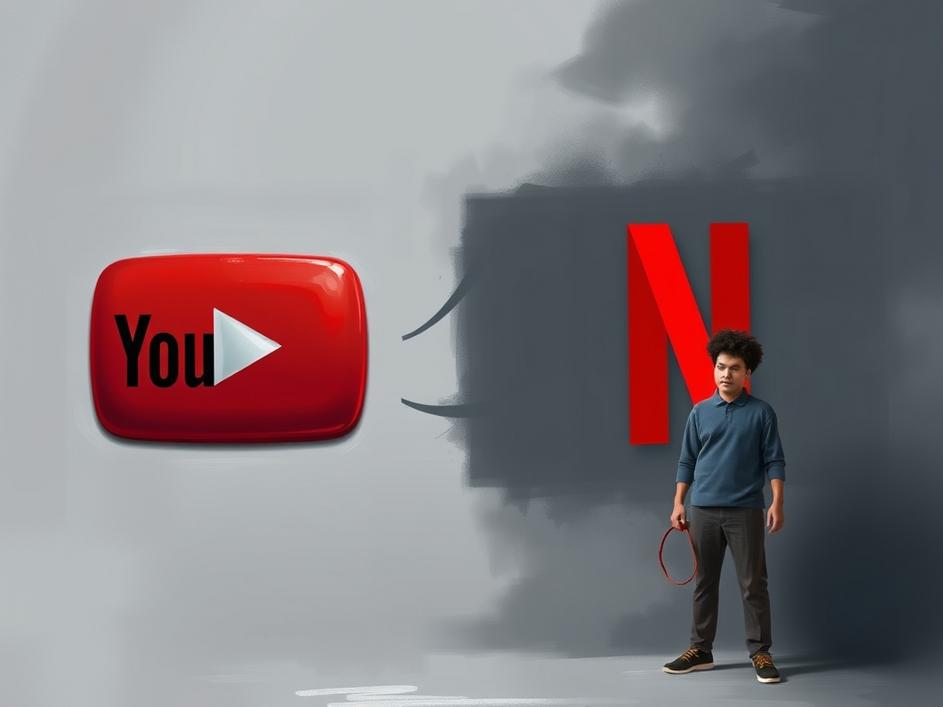
So, why is YouTube cracking down so hard? Some speculate it’s all part of a grand plan to become more like Netflix. Think about it: Netflix prioritizes high-quality, professionally produced content. YouTube might be trying to shift away from its roots as a platform for user-generated content and towards a more curated, premium experience. This could mean weeding out channels that don’t fit this new mold, even if they’re not actually violating any rules. They likely want more people buying Youtube Premium and focusing on channels that could make that happen.
This isn’t the first time YouTube has faced accusations of favoring big media companies over independent creators. Remember the “Adpocalypse” a few years back? Many smaller channels saw their ad revenue plummet due to changes in advertising policies. Now, with these new bans, some are fearing a repeat – an “Indiepocalypse 2.0,” if you will. Independent creators are the heart and soul of YouTube. They’re the ones who built the platform into what it is today. Alienating them in favor of a more corporate, Netflix-like model could backfire in the long run.
There’s no doubt that YouTube needs to address issues like copyright infringement and harmful content. But the current approach seems heavy-handed and prone to errors. Banning channels based on faulty AI detection is not only unfair to creators but also undermines the platform’s credibility. YouTube needs to find a better balance between maintaining a safe and professional environment and supporting the diverse community of creators that made it successful. Is chasing the Netflix model really worth sacrificing the unique, vibrant ecosystem that defines YouTube? The platform needs to seriously consider the long-term consequences of its actions before it loses its identity completely.
What does all this mean for the future of content creation on YouTube? It seems clear that creators need to be more vigilant than ever about protecting their content and understanding the platform’s ever-changing rules. Diversifying income streams is also crucial. Relying solely on YouTube ad revenue can be risky, especially if your channel is vulnerable to being demonetized or banned. Exploring other platforms, building a community off-YouTube, and offering merchandise or other products can provide a safety net in an increasingly unpredictable environment.
Creators aren’t just sitting back and accepting these changes. Many are speaking out, sharing their stories, and demanding greater transparency from YouTube. Some are even exploring alternative platforms that offer more creator-friendly policies. The situation is still evolving, and it’s unclear what the future holds. But one thing is certain: the YouTube community is resilient and determined to fight for its place in the digital landscape. Whether YouTube listens remains to be seen, but the power of collective action shouldn’t be underestimated. Ultimately, the platform’s success depends on its ability to foster a healthy and supportive relationship with its creators. The future of YouTube hinges on finding a solution that benefits both the platform and the people who make it what it is.
YouTube is now at a turning point. It wants to become a real competitor to Netflix and other streaming giants, but it risks alienating the very creators who put it on the map. Striking this balance is going to be tough, and it’ll mean more than just using AI to make decisions about what content is allowed. They need to talk more, listen better, and show they value the small channels just as much as the big ones. If not, they could lose what makes them special and become just another streaming service.

Comments are closed