

We are a digital agency helping businesses develop immersive, engaging, and user-focused web, app, and software solutions.
2310 Mira Vista Ave
Montrose, CA 91020

2500+ reviews based on client feedback
What's Included?
ToggleRemember dreaming about a world where you could control devices with your mind? Well, it’s not science fiction anymore. A recent YouTube video showcases a truly amazing feat: connecting a human brain directly to an iPad using Bluetooth technology. I know, it sounds like something straight out of a movie, but it’s real, and it’s happening now. Forget clunky interfaces and complicated controls; this is about thinking and doing.
The details are still emerging, and much of the video focuses on demonstrating the capability rather than diving into the nitty-gritty technical aspects. However, the gist seems to involve a neural interface device implanted in the individual’s brain. This device picks up brain signals related to intended actions. These signals are then translated and transmitted wirelessly via Bluetooth to the iPad, which interprets them as commands. Think about selecting an app, playing a song, or even typing a message – all done with just your thoughts.
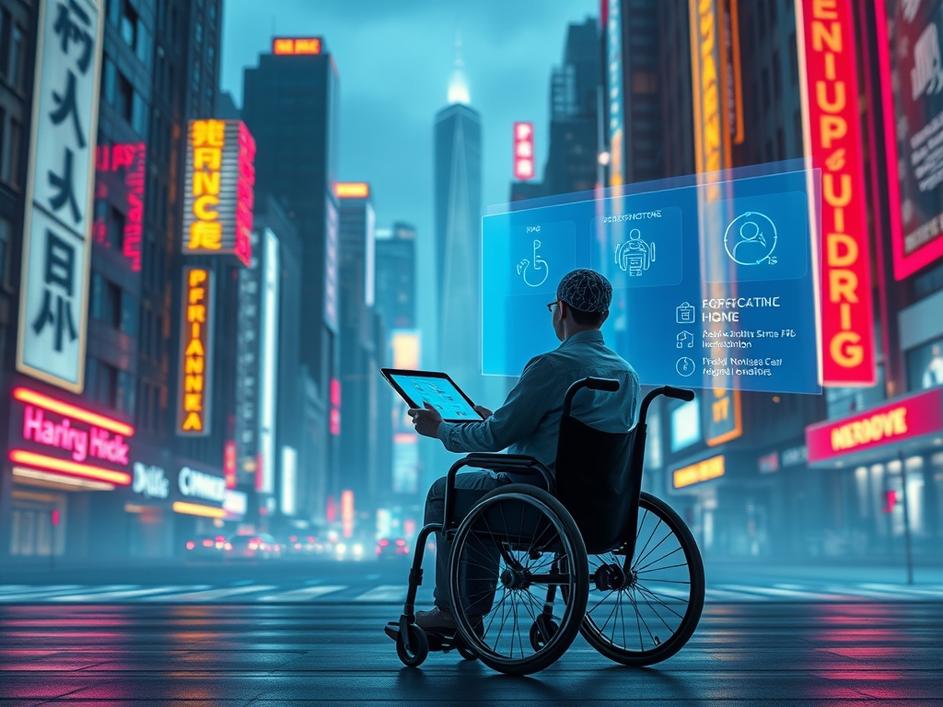
While the coolness factor is undeniable, the potential applications of this technology are truly profound. For individuals with paralysis or other motor impairments, this could be a life-changing innovation. Imagine being able to communicate, access information, and control your environment without relying on physical movement. This opens up a world of possibilities for independence and quality of life. This also makes one wonder how accessible this technology may be for the average person in the future, and the costs associated with it. Will this become a common place item, or reserved for those who can afford it?
Of course, with any groundbreaking technology, there are ethical considerations to address. Issues surrounding data privacy, security, and potential misuse need careful examination. Who has access to your brain data? How do we prevent malicious actors from hacking into your thoughts? What are the long-term effects of implanting devices in the brain? These are crucial questions that need to be answered as this technology continues to develop. It is extremely important to continue to consider ethical implications when developing technologies.
This YouTube demonstration isn’t just a fun experiment; it’s a powerful glimpse into the future of human-computer interaction. It showcases the incredible potential of neurotechnology to enhance our lives and bridge the gap between our brains and the digital world. While challenges remain, the possibilities are immense. As technology advances, the need to think about the ethical aspects will increase greatly. I am excited to see the new horizons that are being broken and all of the possibilities they hold for humanity.
One aspect of this development that really intrigues me is the potential shift in how we interact with technology. For decades, we’ve relied on physical interfaces – keyboards, mice, touchscreens – to control our devices. This brain-computer interface represents a fundamental departure from that paradigm. It’s a move towards a more intuitive, seamless, and direct form of interaction. Instead of adapting our actions to fit the limitations of technology, the technology adapts to our thoughts. And that’s a pretty radical idea. It is interesting to see how the future will look with these interfaces becoming more prevelant.
It’s not hard to imagine the ripple effect this kind of technology could have across various industries. Gaming, for instance, could be completely transformed. Imagine controlling a character in a virtual world with the power of your mind, reacting instantly to in-game events without the need for controllers. Education could also see a major overhaul. Learning could become more personalized and immersive, with brain-computer interfaces adapting to individual learning styles and providing real-time feedback. Moreover, this technology could be revolutionary in assisting people with disabilities. Imagine a world in which people with disabilities can more easily maneuver in the world with more independence and ease.
This Bluetooth brain-iPad connection is more than just a cool trick. It represents a massive shift in the way we can think about technology, accessibility, and our own capabilities. It raises important ethical questions, but also offers potentially life-altering solutions for millions. It’s exciting, a little scary, and undeniably fascinating. I am eager to see what the future holds, and how this technology develops.


Comments are closed