

We are a digital agency helping businesses develop immersive, engaging, and user-focused web, app, and software solutions.
2310 Mira Vista Ave
Montrose, CA 91020

2500+ reviews based on client feedback
What's Included?
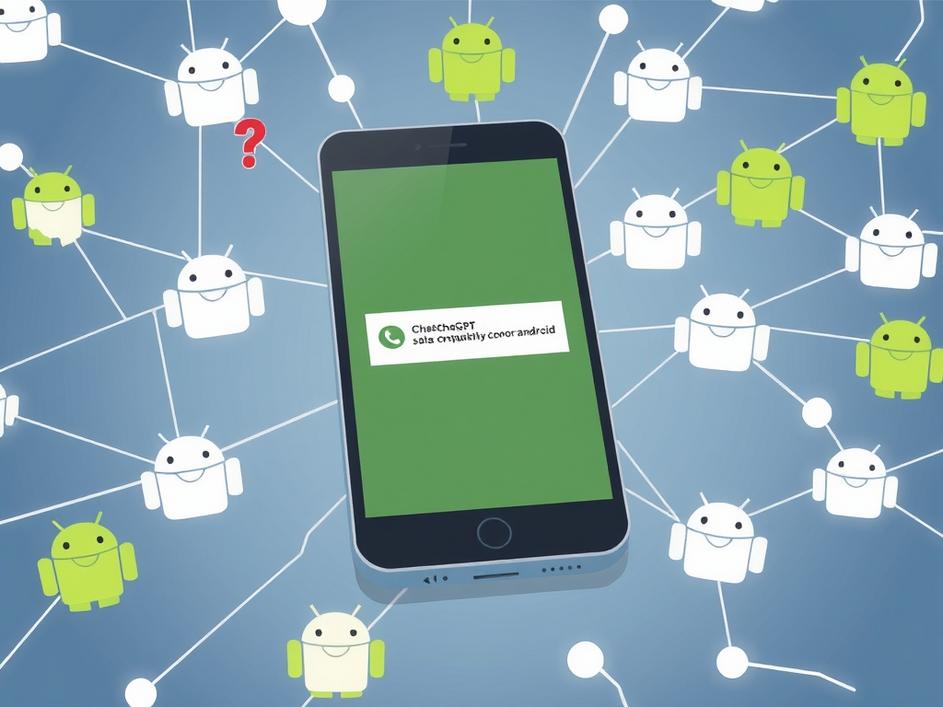
ToggleThursday wasn’t the smoothest day for Android users trying to chat with ChatGPT. OpenAI, the folks behind the popular AI, acknowledged that some people were running into “elevated errors” while using the app. That’s tech speak for “things weren’t working right.” While the outage was relatively brief, it highlights how much we’re starting to rely on these AI tools in our daily lives.
OpenAI kept the details pretty vague, simply stating there were “elevated errors.” This could mean a whole bunch of things, from server overload to a bug in the code that only affected the Android version. It’s also possible that a recent update to the app introduced some unexpected issues. Whatever the cause, it’s a reminder that even the most advanced technology isn’t immune to the occasional hiccup. These things happen, but it’s how quickly they are resolved that truly matters.
Thankfully, the problem didn’t last too long. OpenAI’s status page later announced that “all impacted services have now fully recovered.” That’s good news for Android users who depend on ChatGPT for everything from writing emails to brainstorming ideas. The speedy resolution suggests that OpenAI has a robust system in place for monitoring and addressing these kinds of issues, which is essential for maintaining user trust.
While a temporary glitch might seem insignificant, it actually points to a larger trend: our increasing dependence on AI. ChatGPT and similar tools are becoming integrated into our workflows, our communication, and even our creative processes. When these services go down, even for a short time, it can disrupt our routines and leave us feeling a bit lost. This reliance also underscores the importance of ensuring these systems are stable, reliable, and secure.
As AI becomes even more pervasive, our expectations for its performance will only increase. We’ll want these tools to be available 24/7, to respond instantly, and to always provide accurate and helpful information. This puts a lot of pressure on companies like OpenAI to not only develop cutting-edge AI models but also to build the infrastructure necessary to support them. It’s a challenge, but one they must meet if they want to remain leaders in the field.
And let’s be honest, we’re only at the beginning of this AI journey. As models become more complex and integrated into more aspects of our lives, these kinds of outages could become more frequent and more impactful. Companies need to be transparent about these issues, communicate clearly with users, and invest in the resources necessary to prevent future problems.
The fact that the outage specifically impacted Android users also highlights the platform’s significance in the global tech landscape. Android is the most popular mobile operating system in the world, powering billions of devices. This makes it a prime target for developers like OpenAI, but it also means that any issues affecting Android users have the potential to impact a massive audience. Ensuring compatibility and stability on Android is crucial for any company that wants to reach a global audience.
This little blip also offers a chance to think about the bigger picture. As we depend more on AI, we should consider the ethical aspects. Who controls these systems? How is our data being used? How do we prevent bias and ensure fairness? These aren’t just questions for tech companies; they’re questions for all of us. We need to have open and honest conversations about the role of AI in our society and how to ensure it benefits everyone, not just a select few.
Moving forward, it’s likely that we’ll see companies like OpenAI investing even more in redundancy and resilience. This means building systems that can automatically switch to backup servers in case of an outage, implementing rigorous testing procedures to catch bugs before they affect users, and having a dedicated team of engineers ready to respond to any issues that arise. The goal is to minimize downtime and ensure that users can always rely on these tools when they need them.
The brief ChatGPT outage on Android devices serves as a gentle reminder: AI is powerful, but it’s not perfect. As we become increasingly reliant on these technologies, we need to be aware of their limitations and prepared for the occasional disruption. This means having backup plans in place, staying informed about potential risks, and engaging in a broader conversation about the ethical implications of AI. The future is undoubtedly filled with AI, but it’s up to us to shape that future in a responsible and sustainable way.


Comments are closed