

We are a digital agency helping businesses develop immersive, engaging, and user-focused web, app, and software solutions.
2310 Mira Vista Ave
Montrose, CA 91020

2500+ reviews based on client feedback
What's Included?
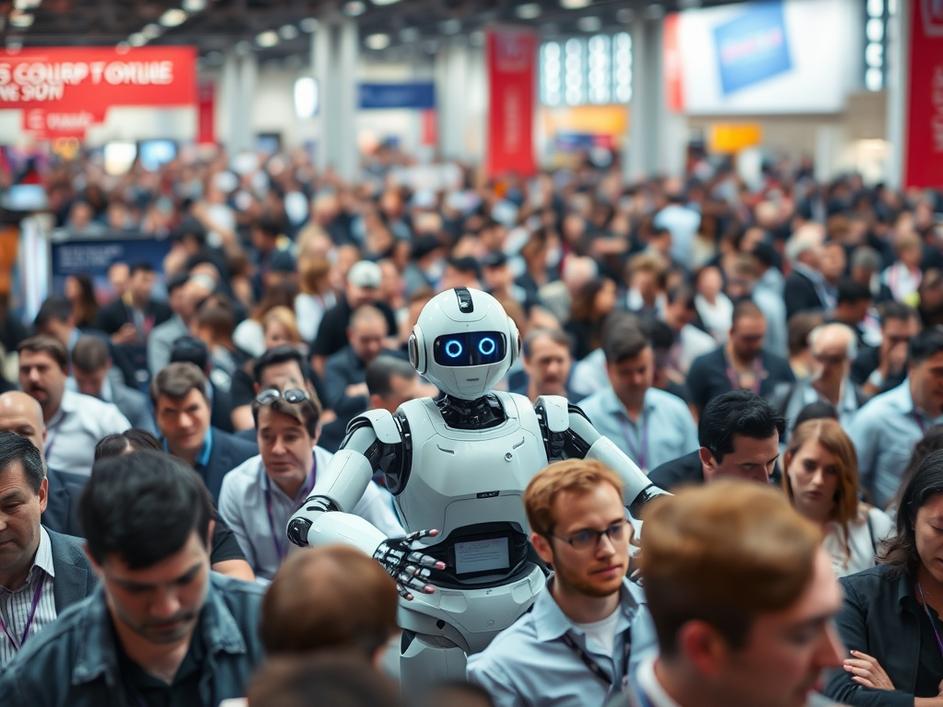
ToggleThe India AI Impact Summit was meant to be a showcase, a glittering display of the nation’s ambition in the burgeoning field of artificial intelligence. The air crackled with anticipation. Experts, innovators, and policymakers gathered, ready to discuss the future. But instead, many attendees were greeted by a less-than-futuristic reality: long delays, overcrowding, and logistical hiccups. It seems the robots hadn’t quite mastered crowd control yet.
Ashwini Vaishnaw, the Union Minister overseeing Railways, Electronics, and IT, stepped up to address the issues. He offered an apology for the problems encountered on the summit’s opening day. Recognizing the frustration and inconvenience caused, his gesture was a necessary attempt to smooth things over. It acknowledged that even the most forward-thinking events can stumble on basic execution. No amount of AI buzz can compensate for a poorly managed registration process or overcrowded halls.
The question is, how did this happen? It’s tempting to point fingers, but the truth is likely a combination of factors. Perhaps attendance exceeded expectations. Maybe the venue wasn’t adequately prepared for the number of people. Or maybe there were unforeseen technical glitches in the registration or security systems. Whatever the reason, the summit’s organizers clearly underestimated the logistical challenges of hosting a large-scale event. One would assume AI to have a perfect solution to this.
This incident highlights a crucial point about technology: it’s only as good as the people behind it. AI can offer incredible solutions, automate complex tasks, and drive innovation. But it can’t replace the need for careful planning, effective communication, and a focus on the human experience. A seamless user journey requires more than just algorithms and data; it demands empathy and attention to detail. Real-world applications of AI will always require human oversight.
While the opening-day issues were unfortunate, it’s important not to let them overshadow the summit’s overall goals. The India AI Impact Summit is a significant opportunity to foster collaboration, share knowledge, and showcase the country’s potential in AI. These kinds of events are vital for setting the stage for advancements in technology, infrastructure and policies. It brings together the people who can make important changes and create new things.
The true measure of success isn’t avoiding mistakes altogether, but learning from them. The organizers of the AI summit have an opportunity to turn this initial stumble into a valuable lesson. By addressing the logistical issues, improving communication, and prioritizing the attendee experience, they can ensure that future events run more smoothly. AI itself can provide better planning and execution of such summits.
India has big ambitions in the field of AI, and is pushing to be a global leader. This summit is just one piece of the puzzle. To succeed, the country needs to invest in research and development, foster a skilled workforce, and create a supportive regulatory environment. It also needs to learn how to manage expectations and deliver on its promises. The initial hiccup at the AI summit serves as a reminder that even the most ambitious endeavors require careful planning and flawless execution.
The initial delays at the India AI Impact Summit shouldn’t be viewed as a failure, but as a valuable learning experience. The focus should be on improvement. Attendees should come away feeling impressed by the technology on display, and should be able to learn about the potential of AI technologies. The summit should serve as a showcase of what can be achieved with these innovations. There is no reason why the event cannot be a source of pride and inspiration for the attendees and India as a whole.
The AI summit’s bumpy start serves as a potent reminder: technology, no matter how advanced, exists within a human context. For India to truly realize its AI ambitions, it must bridge the gap between technological aspiration and real-world execution. This means not only pushing the boundaries of innovation but also mastering the practicalities of implementation, prioritizing user experience, and learning from inevitable setbacks. The future of AI in India, and indeed globally, depends on our ability to blend technological prowess with human-centered design and meticulous planning.



Comments are closed