

We are a digital agency helping businesses develop immersive, engaging, and user-focused web, app, and software solutions.
2310 Mira Vista Ave
Montrose, CA 91020

2500+ reviews based on client feedback
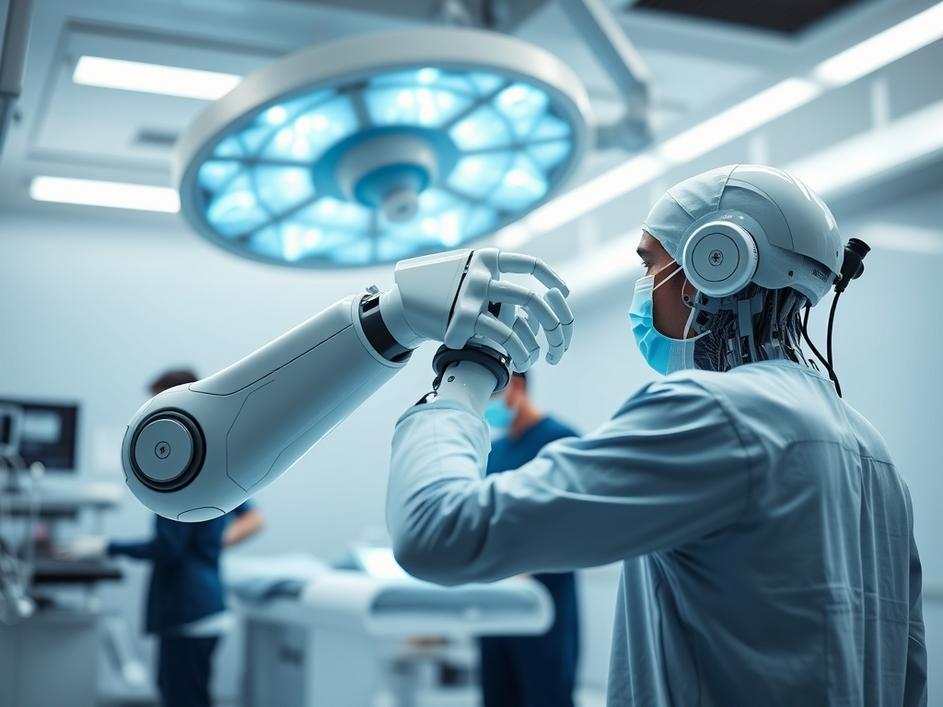
The AI Impact Summit 2026 showcased a fascinating glimpse into the future of healthcare, and one of the most exciting developments was Wipro’s unveiling of their AI-powered robotic arm. It’s not just another tech demo; this technology has the potential to change how hospitals and clinics operate, improving efficiency and patient care in ways we’re only beginning to imagine. For a long time, people have envisioned robots in medicine, but the reality has been slow to catch up. Wipro’s arm shows this vision is getting closer.
What sets Wipro’s robotic arm apart is its integration of artificial intelligence. It’s not simply pre-programmed to perform specific tasks. Instead, AI allows it to learn, adapt, and make decisions in real-time. Imagine a robotic arm that can assist surgeons with delicate procedures, handling instruments with precision and stability far exceeding human capabilities. Or picture it preparing medications in a pharmacy, ensuring accuracy and reducing the risk of errors. It can even help patients with mobility problems, offering support and assistance with everyday activities. The AI component is the key; it allows the arm to handle unexpected situations and learn from experience, making it more valuable over time.
The potential impact on healthcare operations is significant. The robotic arm could automate repetitive tasks, freeing up doctors and nurses to focus on more complex and critical aspects of patient care. This could reduce burnout among healthcare professionals, who are often overworked and understaffed. The increased efficiency could also lead to shorter wait times for patients and improved overall quality of care. Imagine a hospital where robots handle tasks like delivering supplies, cleaning rooms, and monitoring patients’ vital signs. This would allow human staff to focus on what they do best: providing direct, compassionate care to those in need. Moreover, the arm’s accuracy in dispensing medication or assisting in surgery could minimize medical errors, improving patient outcomes and safety.
Of course, the introduction of AI-powered robotics into healthcare also raises some valid concerns. One is the potential for job displacement. Will robots replace human workers? While it’s true that some roles may be automated, it’s more likely that the technology will create new opportunities. People will be needed to maintain and program the robots, and healthcare professionals will still be essential for providing the human touch that machines can’t replicate. Another concern is the cost of implementing these technologies. However, as the technology matures and becomes more widely adopted, the costs are likely to decrease. Furthermore, the long-term benefits of improved efficiency and reduced errors could outweigh the initial investment. The biggest challenge will be to integrate this technology into the existing healthcare infrastructure. This will require careful planning, training, and a commitment to ensuring that the technology is used ethically and responsibly. This also means constant monitoring and testing to ensure that the technology operates as planned and doesn’t create new problems.
Wipro’s AI-powered robotic arm is just one example of how AI is poised to transform healthcare. As AI technology continues to develop, we can expect to see even more innovative applications in areas such as diagnostics, drug discovery, and personalized medicine. The key is to embrace these advancements while also addressing the ethical and practical challenges they present. By doing so, we can harness the power of AI to create a healthcare system that is more efficient, accessible, and patient-centered. The future of healthcare isn’t just about technology; it’s about using technology to improve the lives of people.
The AI Impact Summit 2026 offered a compelling glimpse into the future, but Wipro’s robotic arm is not the end of the story. It is merely a stepping stone. Further development is going to be crucial if this technology is going to reach its full potential. The next steps should involve incorporating even more sophisticated AI algorithms, enhancing the robot’s sensory capabilities, and improving its ability to interact with humans in a natural and intuitive way. Imagine a robotic arm that can understand spoken commands, recognize facial expressions, and respond to changes in a patient’s condition with empathy and compassion. While that might seem like science fiction, it may be closer than we think. As AI and robotics converge, the possibilities for transforming healthcare are virtually limitless.



Comments are closed