

We are a digital agency helping businesses develop immersive, engaging, and user-focused web, app, and software solutions.
2310 Mira Vista Ave
Montrose, CA 91020

2500+ reviews based on client feedback
What's Included?
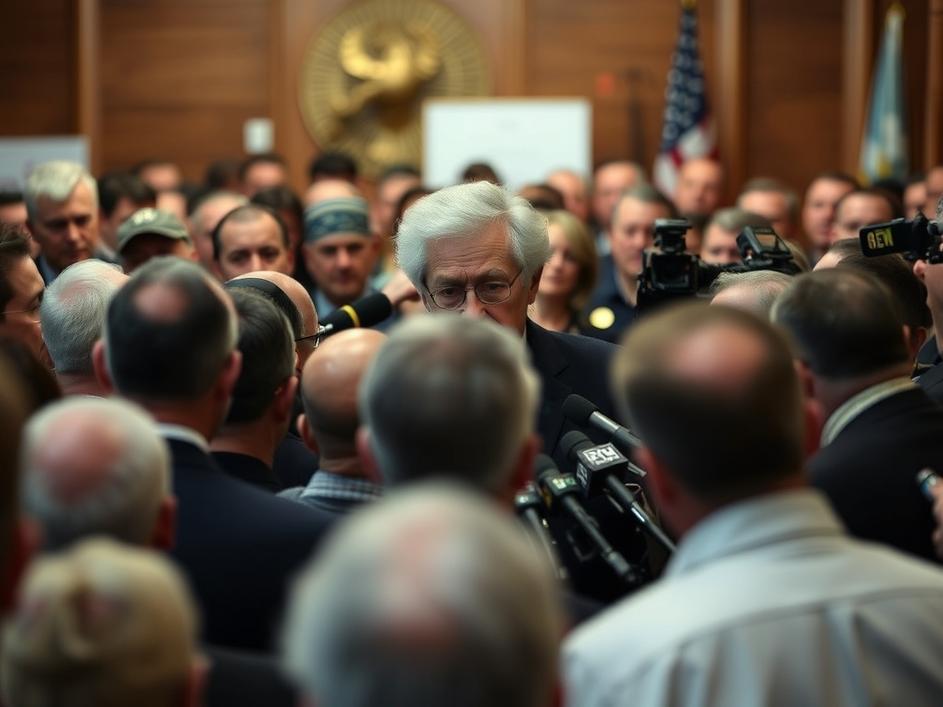
ToggleBill Gates, a prominent figure in the tech world and global philanthropy, has recently withdrawn from an upcoming AI summit in India. This decision has sparked considerable speculation, particularly in light of renewed attention on his past association with Jeffrey Epstein. While official reasons for his absence haven’t been explicitly linked to the Epstein controversy, the timing raises eyebrows and fuels questions about potential damage control.
The resurfacing of information related to Epstein has created a public relations challenge for many high-profile individuals, including Gates. The nature and extent of their relationship have been scrutinized, and the association has undoubtedly impacted public perception. It’s not unreasonable to think that Gates’ team is actively trying to minimize potential distractions and negative publicity, and attending a major international summit would place him squarely in the spotlight.
While the official explanation for Gates’ withdrawal might be scheduling conflicts or other logistical issues, the public is often skeptical of such pronouncements, particularly when a more compelling narrative exists. The Epstein connection provides a ready-made alternative explanation that many find more plausible. This highlights the power of public perception and how past actions can continue to affect an individual’s reputation, regardless of their current endeavors.
The AI summit in India is a significant event, bringing together leaders in technology, government, and academia to discuss the future of artificial intelligence. Gates’ presence would have undoubtedly added weight and visibility to the proceedings. His absence represents a missed opportunity for meaningful engagement and collaboration on crucial issues related to AI development and deployment. It also deprives the summit of his insights and perspective, which are often highly valued in such forums.
India is rapidly emerging as a major player in the global AI landscape. With a large pool of skilled engineers and a growing technology sector, the country is poised to become a hub for AI innovation. The AI summit reflects India’s ambition to shape the future of this transformative technology and to address the challenges and opportunities it presents. High-profile events like these are crucial for attracting investment, fostering collaboration, and showcasing India’s capabilities on the world stage.
In today’s hyper-connected world, news and rumors spread rapidly through social media. The Epstein controversy has been amplified by online platforms, making it more difficult for individuals to control the narrative. Public relations strategies must now account for the speed and reach of social media, which can quickly turn a minor issue into a major crisis. Gates’ decision to withdraw from the summit could be seen as a proactive attempt to avoid further scrutiny and manage the fallout from the Epstein revelations.
While the focus is on Gates’ withdrawal and the Epstein connection, it’s important to remember the broader context of the AI summit. Artificial intelligence raises profound ethical questions about bias, privacy, and accountability. As AI systems become more integrated into our lives, it’s crucial to ensure they are developed and used responsibly. The summit provides a platform for addressing these ethical challenges and for developing guidelines and regulations that promote fairness and transparency in AI.
The Epstein controversy is likely to continue to dog Bill Gates for the foreseeable future. While he has distanced himself from Epstein and condemned his actions, the association will remain a part of his public image. The long-term impact on his reputation and philanthropic work remains to be seen, but it’s clear that he faces an uphill battle to regain the trust of those who have been disillusioned by the revelations. His future engagement in public events and initiatives will likely be carefully scrutinized.
Ultimately, Gates’ decision to withdraw from the AI summit raises questions about optics and accountability. While he may have legitimate reasons for his absence, the timing suggests a desire to avoid further scrutiny related to the Epstein controversy. This highlights the challenges faced by public figures who have been associated with controversial individuals and the need to be transparent and accountable for their past actions. The public demands more than just denials; they expect genuine remorse and a commitment to ethical behavior.
The AI summit in India will proceed without Bill Gates, but the important work of shaping the future of artificial intelligence will continue. It’s crucial that discussions focus on ethical considerations, transparency, and accountability. As AI becomes more powerful and pervasive, it’s essential to ensure that it is used for the benefit of humanity and that its potential harms are mitigated. The summit provides an opportunity to advance these goals and to promote a responsible and ethical approach to AI development and deployment. Whether or not Gates is present, the conversation about AI must continue.


Comments are closed