

We are a digital agency helping businesses develop immersive, engaging, and user-focused web, app, and software solutions.
2310 Mira Vista Ave
Montrose, CA 91020

2500+ reviews based on client feedback
What's Included?
ToggleArup, the global engineering and design firm, is known for its innovative work on iconic structures like the Sydney Opera House and London’s Gherkin. But beyond these visible achievements, Arup is deeply involved in creating more sustainable and efficient infrastructure solutions. Now, they’re teaming up with Microsoft AI to tackle some of the world’s most pressing challenges, from climate change to urbanization.
The collaboration focuses on using Microsoft’s AI tools to analyze massive amounts of data. Think about it: engineers collect data on everything from traffic patterns to building material performance to energy consumption. By applying AI and machine learning to this information, Arup can identify patterns and insights that would be impossible to detect manually. This leads to better designs, optimized resource use, and more resilient infrastructure.
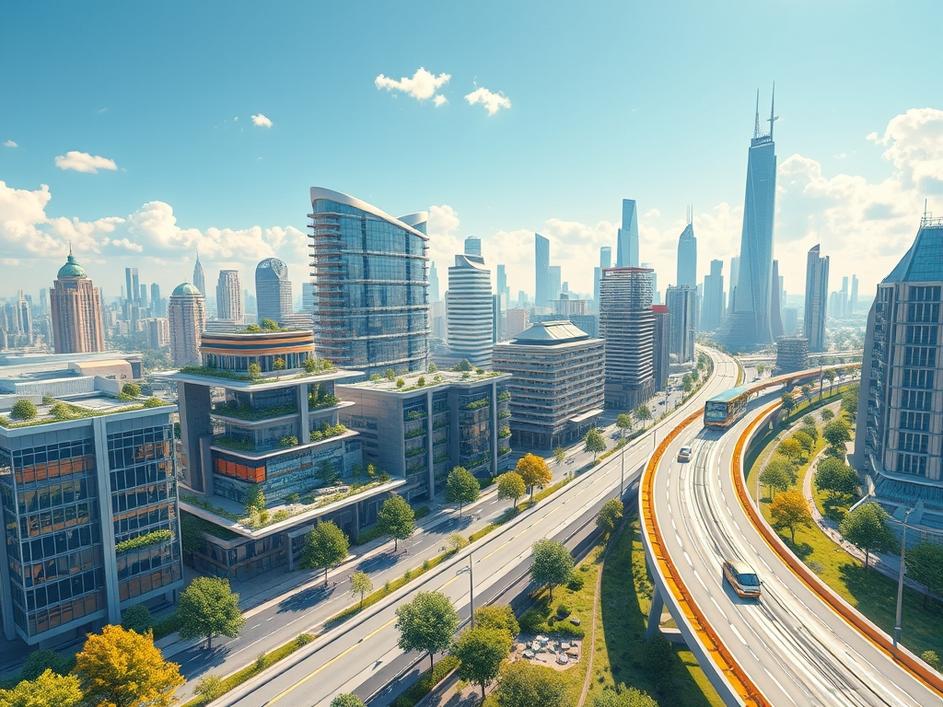
One key area is in building design. AI can help Arup simulate different design scenarios, predicting how a building will perform in terms of energy efficiency, occupant comfort, and structural integrity. This allows architects and engineers to make informed decisions early in the design process, minimizing environmental impact and maximizing building performance. Imagine cities where buildings adapt to the environment, reducing energy waste and creating healthier spaces.
Transportation is another area ripe for AI-powered improvements. Arup is using AI to optimize traffic flow, predict maintenance needs for railways, and design more efficient public transportation systems. By analyzing traffic data, AI can identify bottlenecks and suggest real-time adjustments to traffic signals, reducing congestion and emissions. Predictive maintenance can also help prevent costly disruptions to rail services, ensuring smoother and more reliable transportation for commuters.
Perhaps the most significant application of this partnership is in addressing climate change. Arup is using AI to model the impact of climate change on infrastructure, helping communities prepare for extreme weather events and sea-level rise. By analyzing climate data and simulating different scenarios, Arup can identify vulnerable areas and develop strategies to mitigate the risks. This includes designing more resilient infrastructure, implementing nature-based solutions, and promoting sustainable development practices.
The collaboration between Arup and Microsoft highlights the potential of AI to address some of the world’s most pressing challenges. Arup brings deep expertise in engineering and design, while Microsoft provides cutting-edge AI technology. This combination allows them to develop innovative solutions that are both practical and impactful. The fact that a company with such an impressive portfolio is putting its resources behind using AI for sustainable solutions sends a strong signal to the industry.
It’s easy to get caught up in the hype surrounding AI, but this partnership demonstrates that AI can deliver tangible benefits. By using data-driven insights to design smarter buildings, optimize transportation systems, and prepare for climate change, Arup and Microsoft are creating a more sustainable and resilient future. It’s not just about technology; it’s about using technology to improve people’s lives and protect the planet.
The Arup and Microsoft partnership is just one example of how AI is transforming the engineering and construction industries. As AI technology continues to evolve, we can expect to see even more innovative applications in the years to come. From personalized building design to autonomous construction equipment, the possibilities are endless. The key is to ensure that AI is used responsibly and ethically, with a focus on creating a more equitable and sustainable future for all.
In conclusion, the partnership between Arup and Microsoft represents a significant step forward in using AI to create a better world. By combining their expertise, they are developing innovative solutions to address some of the most pressing challenges facing humanity, from climate change to urbanization. This collaboration offers a glimpse into the future of sustainable infrastructure, where data-driven insights and intelligent design principles pave the way for a more resilient and equitable future.



Comments are closed