

We are a digital agency helping businesses develop immersive, engaging, and user-focused web, app, and software solutions.
2310 Mira Vista Ave
Montrose, CA 91020

2500+ reviews based on client feedback
What's Included?
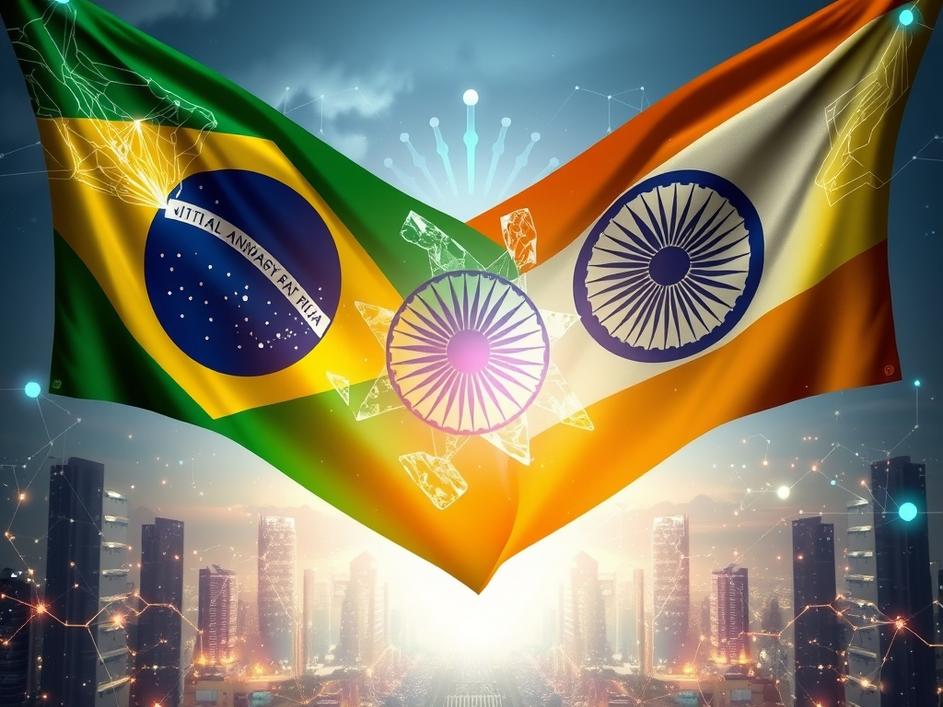
ToggleIn a world increasingly shaped by technological advancements and the scramble for essential resources, the alliance between Brazil and India presents a fascinating development. Recently, leaders from both nations have signaled a desire to deepen cooperation, particularly in the realms of artificial intelligence (AI) and critical minerals. This partnership has the potential to reshape the global landscape. But what exactly does this alliance entail, and what are its implications?
Both Brazil and India recognize the transformative power of AI. They both have young, tech-savvy populations and growing technology sectors. Collaborating on AI research and development allows them to pool resources, share expertise, and accelerate innovation. Imagine joint projects focused on AI applications in agriculture, healthcare, or education. These are areas where both countries face similar challenges and could benefit greatly from technological solutions. The potential for mutual growth in this sector is immense, offering both economic and social benefits. This isn’t just about competing on the global stage; it’s about using technology to improve the lives of their citizens.
Beyond AI, the focus on critical minerals is equally significant. These minerals are essential components in various technologies, from smartphones to electric vehicles to renewable energy systems. As the world transitions towards a greener economy, the demand for these resources will only increase. By working together, Brazil and India can secure their access to these vital materials, diversify their supply chains, and reduce their dependence on other nations. Brazil is rich in mineral resources, and India has the technological expertise in extraction and processing. This kind of collaboration offers a mutually beneficial arrangement. Furthermore, a united front allows them to negotiate better terms in the global market and avoid being exploited by larger players.
The alliance between Brazil and India has broader geopolitical implications. It represents a strengthening of ties between two major players in the Global South, offering a counterweight to the traditional dominance of Western nations. This collaboration challenges the existing world order. They are creating new avenues for trade, investment, and technological exchange that bypass established power structures. This could lead to a more multi-polar world, where developing nations have a greater voice in international affairs. It also signals a desire for greater self-reliance and a rejection of dependence on external powers. And this partnership could encourage other nations in the Global South to form similar alliances, further reshaping the global landscape.
Of course, the path to a strong alliance is not without its challenges. Differences in political systems, economic structures, and cultural contexts could create obstacles. Successfully navigating these challenges requires strong leadership, open communication, and a willingness to compromise. There will be bureaucratic hurdles, differing regulatory environments, and potential conflicts of interest. It is important to promote transparency, foster trust, and establish clear frameworks for cooperation. But if these hurdles can be overcome, the opportunities are enormous. The alliance between Brazil and India has the potential to be a major force for economic growth, technological innovation, and geopolitical stability in the 21st century. The success of this partnership requires a long-term vision and a commitment to mutual benefit.
The partnership goes beyond specific sectors like AI and minerals. It signifies a shared vision for a more equitable and sustainable future. Both nations are committed to tackling climate change, promoting social justice, and strengthening democratic institutions. By working together, they can amplify their voices on the global stage and advocate for policies that benefit the entire Global South. This collaboration offers a model for other developing nations seeking to chart their own course in a rapidly changing world. It is a testament to the power of cooperation and the potential for shared prosperity.
The blossoming alliance between Brazil and India signifies a significant shift in global dynamics. It offers promising avenues for collaboration in AI and critical minerals while also creating a powerful bloc within the Global South. While challenges remain, the potential rewards are too significant to ignore. By prioritizing trust, transparency, and mutual benefit, these two nations can forge a lasting partnership that shapes the future of technology, trade, and international relations. This will be an evolving story to watch unfold.


Comments are closed