

We are a digital agency helping businesses develop immersive, engaging, and user-focused web, app, and software solutions.
2310 Mira Vista Ave
Montrose, CA 91020

2500+ reviews based on client feedback
What's Included?
ToggleArtificial intelligence is rapidly changing many aspects of our lives, and the defense sector is no exception. India’s Defence Research and Development Organisation (DRDO) is at the forefront of integrating AI into its defense forces. This move promises to enhance security, improve efficiency, and give India a strategic advantage in an increasingly complex world. From facial recognition systems to advanced smart helmets, DRDO is exploring a wide range of AI applications to protect the nation.
One of the most notable areas of development is in AI-powered surveillance and security systems. DRDO is working on facial recognition technology that goes beyond simple identification. This system aims for near-perfect accuracy, ensuring reliable security across various sensitive locations. Imagine a network of cameras that can instantly recognize threats, identify unauthorized personnel, and alert security forces in real-time. This kind of technology can significantly reduce the risk of security breaches and improve overall safety.
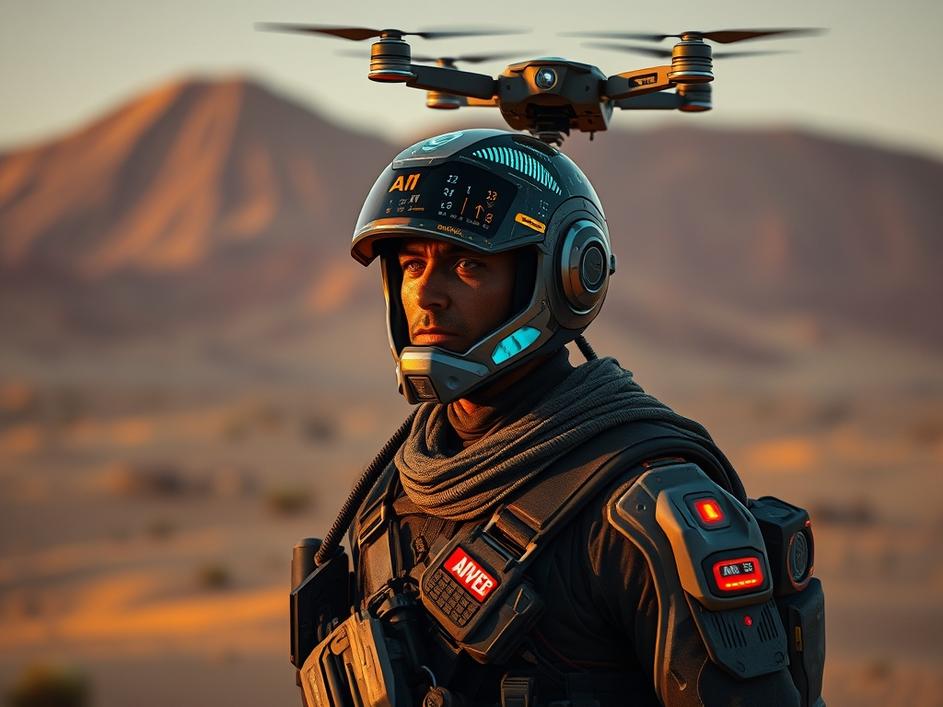
But it doesn’t stop there. DRDO is also developing smart helmets equipped with AI-powered sensors and communication tools. These helmets could provide soldiers with real-time information about their surroundings, improve situational awareness, and enhance communication on the battlefield. This technology can also be used to monitor a soldier’s vital signs, detecting fatigue or injury and providing immediate medical assistance. It is an undeniable step forward.
The integration of AI in defense has implications that extend far beyond the battlefield. These technologies can also be used for disaster response, border control, and internal security. For example, AI-powered drones can be deployed to assess damage after a natural disaster, helping rescue teams reach those in need more quickly. AI can also be used to analyze large amounts of data to identify potential threats and prevent crime. With smart analysis, response times are dramatically decreased.
And while the focus is often on the technology itself, it’s important to consider the human element. DRDO is also investing in training programs to ensure that defense personnel are equipped to use these AI systems effectively. It’s not enough to simply deploy new technology; personnel need to be trained to use it, manage it, and understand its limitations. This requires a comprehensive approach that combines technological innovation with human expertise.
Of course, the use of AI in defense also raises some important ethical considerations. There are concerns about privacy, accountability, and the potential for bias in AI algorithms. It’s important to ensure that these systems are developed and deployed in a responsible and ethical manner, with appropriate safeguards in place to protect individual rights and prevent misuse. DRDO and the Indian government will need to develop clear guidelines and regulations to govern the use of AI in defense, ensuring that it is used in a way that is consistent with democratic values and the rule of law.
Another challenge is the potential for adversarial attacks on AI systems. Hackers could try to manipulate AI algorithms to disrupt defense operations or gain access to sensitive information. It’s crucial to develop robust cybersecurity measures to protect these systems from attack and ensure that they remain reliable and secure. This requires ongoing investment in research and development, as well as close collaboration between government, industry, and academia.
By embracing AI, India is positioning itself as a leader in defense technology. This can give India a significant strategic advantage, allowing it to better protect its borders, deter aggression, and respond to emerging threats. However, it’s important to recognize that AI is not a silver bullet. It’s just one tool in a larger arsenal, and it needs to be used in conjunction with other technologies and strategies to be truly effective. This requires a holistic approach to defense planning, one that takes into account the full range of threats and challenges that India faces.
As DRDO continues to push the boundaries of AI innovation, it’s crucial to maintain a focus on responsible development and ethical considerations. By doing so, India can harness the power of AI to enhance its security and promote peace and stability in the region.
The integration of AI into India’s defense forces marks a significant turning point. It’s a step towards a future where technology plays an even greater role in protecting the nation and its citizens. But it’s also a reminder of the importance of human oversight, ethical considerations, and ongoing investment in research and development. As AI continues to evolve, it will be interesting to see how DRDO adapts and innovates to meet the challenges and opportunities that lie ahead. The possibilities are endless, and the future of defense is undoubtedly intertwined with the future of artificial intelligence. This is going to change the game.



Comments are closed