

We are a digital agency helping businesses develop immersive, engaging, and user-focused web, app, and software solutions.
2310 Mira Vista Ave
Montrose, CA 91020

2500+ reviews based on client feedback
What's Included?
TogglePrime Minister Modi’s monthly radio program, “Mann Ki Baat,” isn’t just a broadcast; it’s a national conversation. It’s a platform where the leader connects with citizens, addressing everything from cutting-edge technology to the enduring values of Indian culture. The latest edition underscored this unique blend, highlighting India’s journey as it strides into the future while staying rooted in its rich past. This episode particularly showcased the nation’s evolving identity on the world stage.
The recent Global AI Impact Summit in Delhi grabbed the spotlight, and rightly so. India is making a play to be a significant player in the artificial intelligence landscape. The Prime Minister acknowledged the importance of AI and its potential to reshape industries, governance, and daily life. He’s not alone in this belief, of course; governments and businesses worldwide are racing to understand and implement AI. The key difference is India’s approach, attempting to combine technological advancement with its own values and societal needs. This means focusing on AI applications that are relevant to the Indian context, addressing challenges specific to the nation, and ensuring equitable access to the benefits of AI. This approach sets India apart in its ambition to lead in AI development.
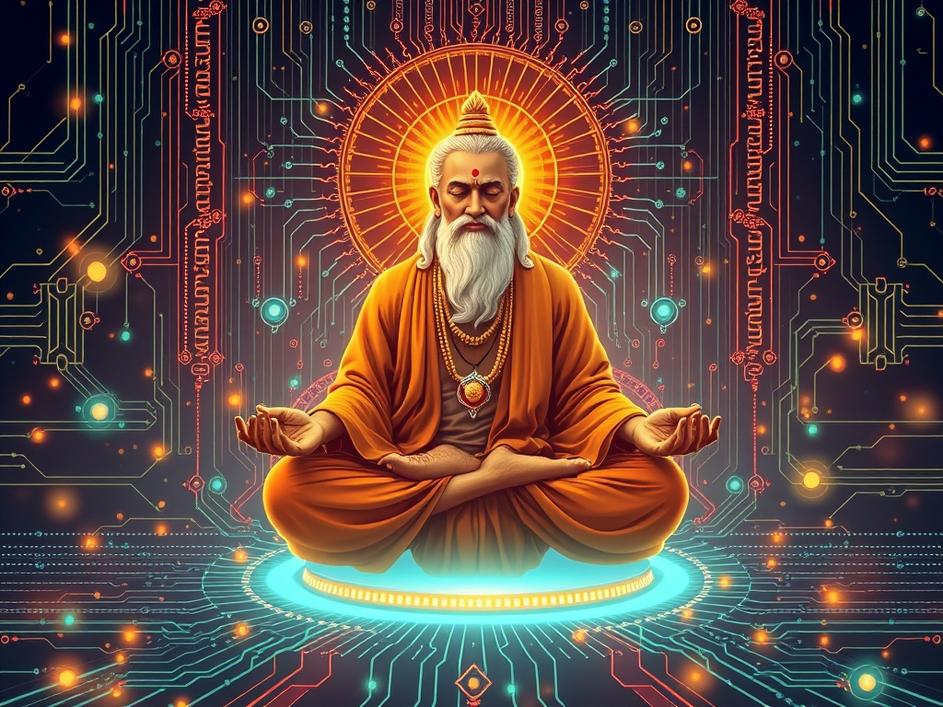
But it wasn’t all about algorithms and neural networks. The radio address also touched upon the importance of ancient Indian wisdom, emphasizing the enduring relevance of traditional knowledge systems. This is a crucial element of Modi’s overall message: that progress doesn’t have to come at the expense of cultural heritage. It’s about finding a balance. He often speaks about the need to preserve and promote India’s diverse cultural traditions, languages, and art forms. This isn’t just about nostalgia; it’s about recognizing the value of these traditions in shaping India’s identity and providing a foundation for future development. The focus on ancient wisdom serves as a reminder that technology should serve humanity, not the other way around. This approach makes India different in the global tech race.
This simultaneous focus on AI and ancient wisdom reveals a deliberate strategy. It’s about creating a national narrative that embraces both technological progress and cultural preservation. It’s a balancing act, and one that is essential for India’s long-term success. By highlighting both, Modi is attempting to create a cohesive vision of a modern India that is still deeply connected to its roots. And this connection offers multiple advantages. It ensures that technological advancements are aligned with the values and needs of the Indian people. It preserves India’s unique cultural identity in an increasingly globalized world. It fosters a sense of national pride and unity. And it encourages innovation that is both cutting-edge and culturally relevant.
The real question is: does this message resonate beyond the radio waves? “Mann Ki Baat” has a massive reach, and the Prime Minister’s words carry significant weight. But translating these words into concrete action requires more than just a speech. It requires effective policies, investment in education and research, and a collective effort from citizens, businesses, and government. It also requires a critical examination of the potential downsides of AI, such as job displacement and ethical concerns. And it requires a commitment to ensuring that the benefits of progress are shared by all, not just a privileged few. It is a very difficult act to balance the old and new.
India’s journey is unique. It’s not simply copying Western models of development. It’s forging its own path, drawing strength from its past while embracing the opportunities of the future. Modi’s radio address reflects this ambition, highlighting the nation’s commitment to both technological advancement and cultural preservation. The world watches to see if this balancing act can truly work, and to what extent it may redefine what progress means in the 21st century. And in doing so, India will define its place on the global stage.
The path forward isn’t without its challenges. Integrating AI into a society with vast disparities in wealth and education will require careful planning and execution. Preserving cultural heritage in a rapidly changing world demands creativity and innovation. Maintaining a balance between tradition and modernity requires open dialogue and a willingness to adapt. But the potential rewards are enormous. A successful integration of AI and ancient wisdom could lead to a more inclusive, sustainable, and prosperous India. It could also offer a new model for development that other nations can learn from.
Ultimately, Modi’s “Mann Ki Baat” offers a glimpse into a larger vision for India. It’s a vision of a nation that is confident in its identity, ambitious in its goals, and committed to its values. It’s a vision of a nation that is both a leader in technology and a guardian of its cultural heritage. It’s a vision of a nation that is ready to shape the future, while remaining true to its past. Whether this vision can be fully realized remains to be seen, but the conversation has begun, and that’s a significant step in itself. The balance has begun.



Comments are closed