

We are a digital agency helping businesses develop immersive, engaging, and user-focused web, app, and software solutions.
2310 Mira Vista Ave
Montrose, CA 91020

2500+ reviews based on client feedback
What's Included?
ToggleLoneliness is a growing problem in many societies, and it impacts mental and physical health. It can affect people of all ages, though older adults are often particularly vulnerable. In the town of Bolton, England, they’re taking a creative approach to address this issue: using artificial intelligence. Can AI fill the void of human connection? This is the question Bolton is trying to answer.
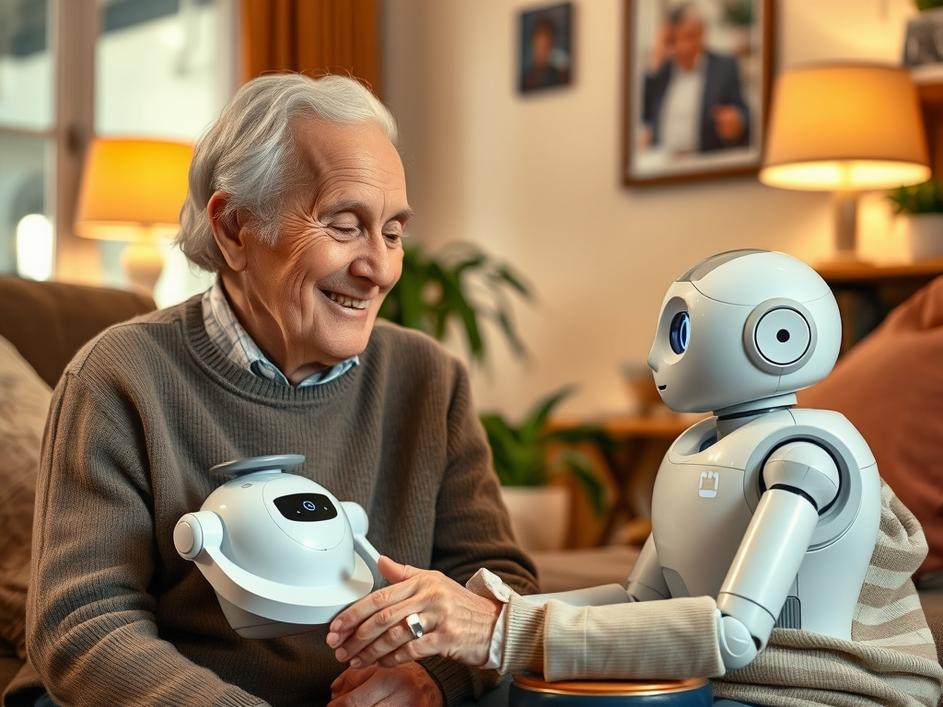
The initiative in Bolton involves using AI-powered platforms and devices designed to offer companionship, provide information, and encourage social interaction. These technologies can range from virtual assistants that engage in conversation to robotic pets that offer comfort. The goal isn’t to replace human relationships but to supplement them, providing a safety net for those who lack regular social contact. But is it really possible? While technology can offer a distraction, can it really replicate true friendship?
Imagine a tablet that can recognize your face, remind you to take your medication, and start a conversation about your favorite hobby. Or a small, furry robot that purrs when you pet it and responds to your voice. These are the kinds of technologies being explored in Bolton. The AI is programmed to be responsive, empathetic, and engaging, offering a sense of connection to users. The systems learn user preferences over time to provide more personalized experiences.
The potential benefits of using AI to combat loneliness are clear. It offers a readily available source of interaction, particularly for those who have difficulty leaving their homes or accessing traditional social services. AI companions can provide emotional support, reduce feelings of isolation, and even help improve cognitive function. This kind of technology is available 24/7, which is especially helpful for people who feel most isolated at night or on weekends.
Despite the potential benefits, there are also concerns about the ethical implications of using AI in this way. Can a machine truly understand and respond to human emotions? What happens when the technology fails or becomes unavailable? And could relying on AI actually hinder people from seeking out genuine human connections? There’s also the issue of data privacy, as these AI systems collect and store personal information about their users.
Experts agree that human connection is essential for well-being. AI should be seen as a tool to augment human interaction, not replace it. The goal is to use technology to bridge gaps and create opportunities for people to connect with each other in meaningful ways. This might involve using AI to identify individuals who are at risk of loneliness and then connecting them with local support groups or social activities. It should never been seen as a replacement for human connection.
Bolton’s experiment offers a glimpse into the future of how we might address loneliness in an increasingly digital world. It highlights the potential of AI to provide companionship and support, but also underscores the importance of maintaining human connection. As AI technology continues to evolve, it’s essential to consider the ethical implications and ensure that it’s used in a way that promotes well-being and fosters genuine relationships.
The experiment in Bolton provides a case study for other cities and communities grappling with similar challenges. If successful, it could offer a blueprint for how to use AI to combat loneliness on a larger scale. However, it’s important to remember that every community is different, and what works in Bolton may not work everywhere else. Careful consideration must be given to the specific needs and circumstances of each population.
The use of AI to tackle loneliness in Bolton is an innovative and potentially transformative approach to a growing social problem. It’s a step into the unknown, with both great possibilities and potential pitfalls. As we move forward, it’s crucial to prioritize human connection, consider the ethical implications, and ensure that technology serves to enhance, not replace, the bonds that make us human. The most important thing to remember is that AI must not lead us to become more isolated from each other. Instead it should enable more meaningful interactions.



Comments are closed