

We are a digital agency helping businesses develop immersive, engaging, and user-focused web, app, and software solutions.
2310 Mira Vista Ave
Montrose, CA 91020

2500+ reviews based on client feedback
What's Included?
ToggleGSME, a company focused on providing comprehensive solutions, and Tarana Wireless, known for its innovative work in fixed wireless access (FWA), recently announced a strategic partnership. This collaboration aims to improve wireless connectivity, especially in areas where traditional options are lacking. But what does this really mean, and how might it affect the average internet user?
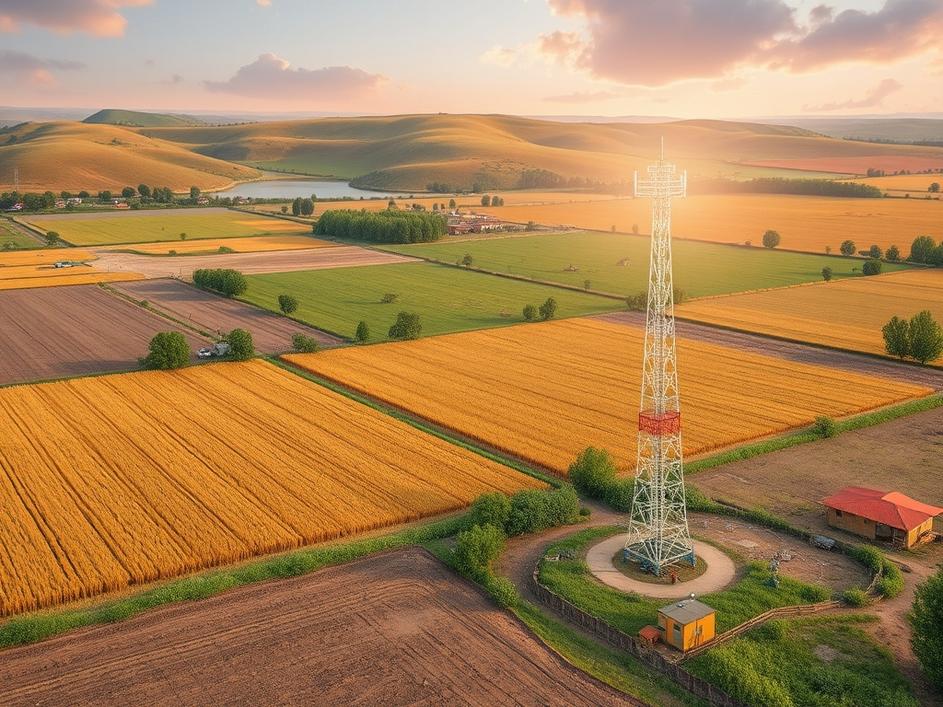
The main idea behind this partnership is to deliver faster and more reliable internet to a wider range of customers. Think about rural areas or places where laying down fiber optic cables is too expensive or difficult. Fixed wireless access offers a way to bypass those limitations by using radio signals to transmit data. Tarana Wireless brings its Gigabit Passive Radio (GPR) technology to the table. This tech is designed to handle interference and provide high-speed connections over longer distances. GSME complements this with its experience in service delivery and customer support. So, the partnership aims to take Tarana’s tech and get it into the hands of people who need it most, backed by solid service.
In today’s world, reliable internet is more than just a convenience; it’s a necessity. People rely on it for work, education, healthcare, and staying connected with family and friends. When internet access is spotty or non-existent, it creates a real disadvantage. This partnership between GSME and Tarana Wireless has the potential to bridge that digital divide by bringing better connectivity to underserved areas. It’s not just about streaming videos faster; it’s about enabling people to participate fully in the digital economy.
Tarana Wireless’s GPR technology stands out because it addresses some of the common challenges of fixed wireless. One of the biggest hurdles is interference. Radio signals can be disrupted by buildings, trees, and other obstacles, which can slow down or even block connections. GPR technology is designed to mitigate these effects, providing more stable and reliable speeds. The other advantage of GPR is its ability to deliver high-speed connections over longer distances. This is crucial for reaching remote areas where deploying traditional infrastructure is not feasible. Without getting bogged down in the technical details, the partnership seems to be using a better mousetrap than what has been available, particularly at scale, to get workable internet to more households.
While this partnership holds a lot of promise, there are still challenges to overcome. One is the regulatory landscape. Obtaining the necessary licenses and permits to operate fixed wireless networks can be a complex and time-consuming process. Another challenge is the cost of deploying and maintaining the infrastructure. While fixed wireless is generally more affordable than fiber optic, it still requires significant investment. And finally, consumer adoption will depend on factors like pricing, service quality, and customer support. GSME and Tarana Wireless will need to address these challenges to fully realize the potential of their partnership. However, if they can successfully navigate these hurdles, the opportunities are vast. This collaboration could serve as a model for other companies looking to expand internet access to underserved areas. It could also spur innovation in fixed wireless technology, leading to even faster and more reliable connections in the future.
It’s easy to get caught up in the technical aspects of faster internet speeds and bandwidth. But it’s important to remember the real-world impact of improved connectivity. For students, it means being able to participate in online classes and access educational resources. For small business owners, it means being able to reach new customers and compete in the global marketplace. For healthcare providers, it means being able to offer telemedicine services and improve patient outcomes. And for individuals, it means being able to stay connected with loved ones and access essential information. The potential benefits are far-reaching and could have a transformative impact on communities.
The announcement of this partnership also raises interesting questions about the competitive landscape. The internet service provider (ISP) market is often dominated by a few large players, which can limit consumer choice and innovation. The entry of companies like GSME and Tarana Wireless into the fixed wireless space could disrupt this dynamic by offering a viable alternative to traditional cable and fiber providers. This increased competition could lead to lower prices, better service, and more innovative solutions. It’s also worth noting that the success of this partnership could encourage other companies to invest in fixed wireless technology, further accelerating its development and adoption.
In conclusion, the strategic partnership between GSME and Tarana Wireless represents a significant step forward in the effort to improve wireless connectivity. By combining Tarana’s innovative technology with GSME’s expertise in service delivery, this collaboration has the potential to bring faster, more reliable internet to underserved areas. While challenges remain, the potential benefits are substantial, ranging from improved education and healthcare to increased economic opportunity and social inclusion. The partnership is not just about faster download speeds; it’s about creating a more connected and equitable world. If they succeed, the partnership won’t just impact their bottom line; it will impact lives across the areas they service.



Comments are closed