

We are a digital agency helping businesses develop immersive, engaging, and user-focused web, app, and software solutions.
2310 Mira Vista Ave
Montrose, CA 91020

2500+ reviews based on client feedback
What's Included?
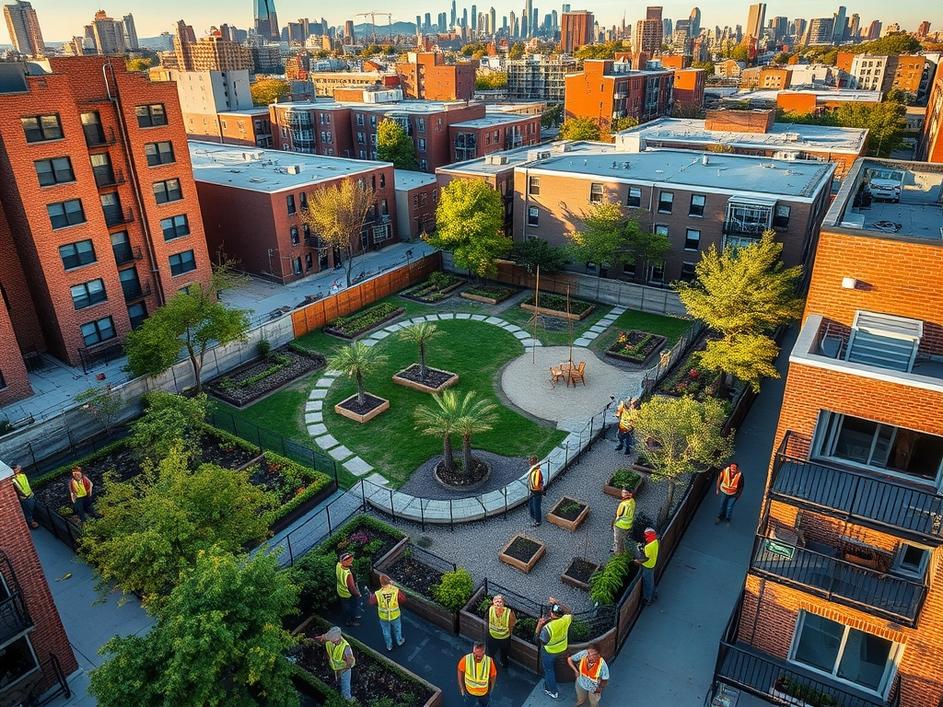
ToggleCity hall announced a bold plan to turn dozens of empty lots into green spaces and homes. The idea is simple on paper, but big in impact. Over the next five years, streets that feel tired could wake up with parks, playgrounds, community gardens, and some new apartments. Officials say the project will use a mix of public money, bonds, and private grants. They also plan to keep the spaces affordable and inclusive. The goal is to cool down hot blocks, give kids safe places to play, and offer homes for people who need them most. People in neighborhoods nearby say the news brings a spark of hope, though they also want clear maps and steady hands to guide the work.
The plan isn’t just about looks. It aims to lower heat in summer and improve air quality. Parks and trees can make blocks feel cooler and calmer. Gardens give residents a chance to grow food and meet neighbors. Kids get safe spots to run and play, and seniors find shade and benches to rest. Local shops may see more foot traffic as people linger. But design matters. The city says it will add good lighting, accessible paths, and safe entry points from transit stops. If done right, the spaces could push people to walk more and spend time in their own neighborhoods. Still, a few worry about noise, crowds, and who pays for upkeep long after construction ends.
The plan uses bonds, grants, and a splash of private money. That mix lowers upfront risk but raises questions about debt and interest. Some residents worry about higher taxes or fees later. Others say this is a smart investment in community health. The city promises a clear schedule and public updates. Still, five years is a long wait for families living in cramped apartments. Maintenance costs will matter as much as the build itself. The plan includes community groups in decisions to cut waste and avoid delays. The risk is slipping from good intentions into slow progress. A project that looks good on paper can stall if red tape or missed milestones slow things down.
Community groups, small business owners, and residents bring mixed feelings. Some welcome the chance to grow food in new plots and to see kids play near safer streets. Others fear rising rents, more traffic, and a shift in neighborhood character. Local advocates push for inclusivity: affordable units, input on who moves in, and strong protections against displacement. Public forums push a sense of shared ownership. The city says they will hold listening sessions and publish meeting notes. The real test is trust: do people feel heard? If planners keep things transparent and follow through, the project could become a shared effort. If not, it may fade as another promise.
The project will test how city hall works with neighbors. It aims to blend speed with care. A key goal is to stay open to feedback and adjust as needed. That means honest timelines and costs. It also means clear rules about who pays for upkeep and how maintenance will be shared. If the city shows progress and admits missteps, people stay hopeful. If delays pile up, faith in the plan weakens. Accountability will matter more than big chants or flashy press releases. Early wins matter. The city could pilot small parts of the plan in the first year to prove it can deliver tangible results. Small steps can build momentum for bigger aims.
My view is simple. Big plans that involve many hands move slower, but they can still matter. The key is steady progress, not perfect results. If the city keeps honest about costs, listens to residents, and shares wins along the way, this could shift how neighbors live. It could show that a city can invest in health, housing, and happiness at the same time. We should cheer small wins and learn from the bumps. The real question is whether the plan becomes part of daily life, not just a headline. If we get there, the city will have built more than parks and apartments. It will have built a sense of belonging.



Comments are closed