

We are a digital agency helping businesses develop immersive, engaging, and user-focused web, app, and software solutions.
2310 Mira Vista Ave
Montrose, CA 91020

2500+ reviews based on client feedback
What's Included?
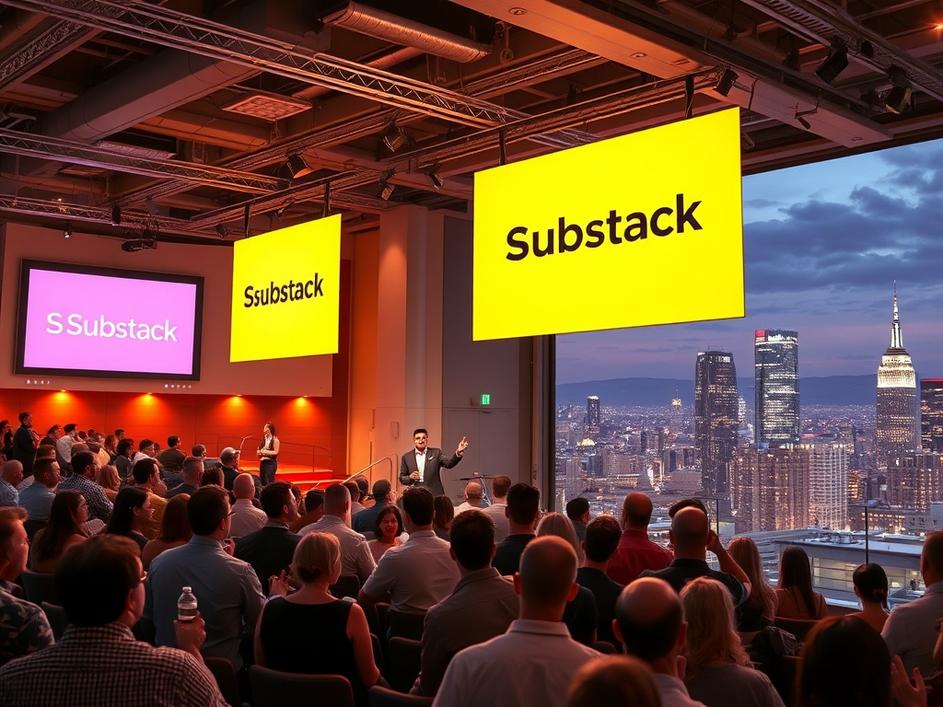
ToggleWhen I walked into the Substack summit at ten in the morning, the room felt electric. The crowd was a mix of seasoned columnists, fresh‑faced indie writers, and a few curious tech folks. Chris Best, the CEO, took the stage and said something that stuck with me: writers deserve to get rich and have fun. He said the platform wants to give creators a real shot at building a business, not just a hobby. The tone was upbeat, almost like a pep talk for a sports team. It set the stage for a long day of talks, demos, and a night‑long party.
Best’s opening line was bold, but it also raised questions. How does a platform that started as a simple newsletter service help someone earn a six‑figure income? He answered by pointing to new tools for subscription tiers, better analytics, and a marketplace for paid collaborations. The promise sounded good, but many writers in the audience frowned. They have seen other platforms promise the moon and then fall short. The tension between optimism and skepticism was clear, and it colored every conversation that followed.
During the afternoon sessions, Substack unveiled a suite of upgrades. One is a built‑in podcast host that lets writers add audio episodes without leaving the dashboard. Another is a “community hub” where subscribers can comment, vote, and even start their own sub‑groups. They also introduced a revenue‑share model that reduces the platform’s cut for high‑earning creators. Finally, there was a partnership with a few ad networks that will let writers sprinkle ads into free posts without breaking the reader experience. All of these pieces are meant to give writers more ways to monetize their work while keeping control in their hands.
After the presentations, I chatted with a handful of participants. A veteran political analyst said the podcast tools could finally let her reach listeners who never read long articles. A young poet, on the other hand, worried that the community hub might drown her voice in a sea of louder personalities. Many agreed that the new revenue‑share model felt like a step in the right direction, but they also asked for clearer guidelines on how payouts would be calculated. Overall, the vibe was a mix of hope and caution. People want more power, but they also want guarantees that the platform won’t change the rules overnight.
Substack’s moves are part of a larger shift in how media is funded. Traditional outlets are cutting staff, while independent creators are looking for sustainable income streams. By adding tools that blur the line between newsletter, podcast, and community forum, Substack is trying to become a one‑stop shop for creators. If they pull it off, they could attract a wave of talent that otherwise would stay on larger platforms like YouTube or Patreon. On the flip side, the market could become crowded, and only the most savvy writers will thrive. The real test will be whether these features translate into consistent earnings for a broad range of creators, not just a lucky few.
The day ended just after ten at night, with lights dimming and a rooftop party buzzing. I left with a notebook full of ideas and a head full of questions. Substack is clearly aiming high, and the new tools show they are listening to writers’ needs. Yet the promises also come with risks—especially if the platform’s business model shifts again. For anyone thinking about building a career on newsletters, the takeaway is simple: stay curious, test the new features, and keep an eye on the numbers. If Substack can deliver on its promise to help writers get rich and have fun, we might see a new era of independent media. If not, the experiment will still have taught us valuable lessons about what creators truly need.
Source: Original Article


Comments are closed