

We are a digital agency helping businesses develop immersive, engaging, and user-focused web, app, and software solutions.
2310 Mira Vista Ave
Montrose, CA 91020

2500+ reviews based on client feedback
What's Included?
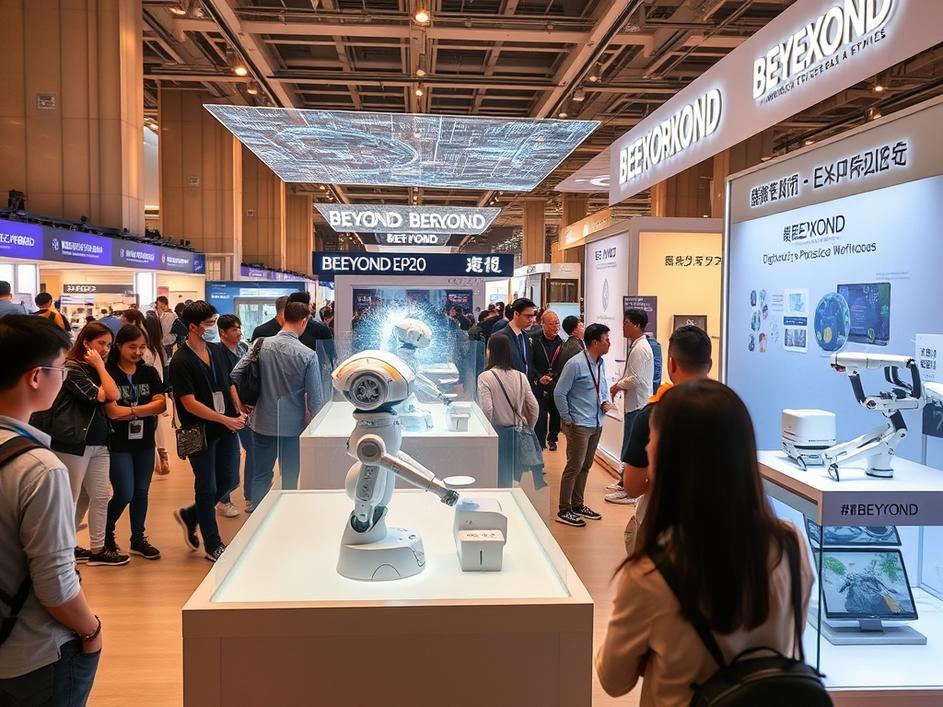
ToggleThe BEYOND Expo 2026 in Macao presented a clear idea: smart systems move from screens to everyday objects. You could walk a hall and see how data becomes action. AI helps machines decide, adjust, and perform tasks with little human nudges. On the floor there were prototypes and working demos. A digital twin tracks a line in real time; a robot arm picks up a chassis and fits it with sensors. There was a sense of scale: small devices talking to big machines, cloud brains guiding tiny parts. The message felt practical: take ideas, test them, and make them useful in the places we live and work. The expo showed that the path from code to concrete things is shorter than many expect.
The event underscored a focus on regional strength. Asia has hardware know-how, supply chains, and a growing base of developers. BEYOND’s mission to empower Asia and bridge the world showed up in how exhibitor booths connected local needs with global markets. Teams talked about standards, shared tests, and cross-border projects that cut through distance. It wasn’t just tech talk; it was a plan to move goods, ideas, and talent across borders with less friction. The result is a tech scene that can ship ideas quickly from lab to laborer, from prototype to storefront. That combination matters as the world seeks reliable partners for complex builds.
Several displays turned high-level data into tangible changes. A digital twin of a factory could flag a maintenance issue before it happened. An AI-powered device adjusted energy use in a hospital room, cutting waste and keeping the patient comfortable. A small robot carried tools around a workshop, guided by sensors and simple rules. These demos looked simple but rested on solid connections between software, sensors, and hardware. The goal is not to wow people with clever code but to prove that smart thinking can reduce cost, time, and risk in real projects. That practical thread runs through many booths and talks.
With more automation comes new work. The expo highlighted the need for people who can design, test, and manage both software and hardware. Training programs, apprenticeships, and joint ventures between schools and firms stood out. Workers will need hands-on time with equipment, not only screens. Teams will need to talk across disciplines—engineers, data scientists, and operators sharing a common language. The trend pushes companies to invest in people as much as machines. In the long run, tech progress should free people to focus on thinking and creativity rather than repetitive tasks.
Two threads seem likely to shape the coming years: smarter devices and stronger collaboration. Devices that process AI at the edge will run faster and require less bandwidth. That means better wearables, smarter sensors, and more capable automobiles. At the same time, more partnerships across borders are likely. Shared standards, joint pilots, and more talent mobility can accelerate growth. The expo shows a path that blends digital inputs with real-world outputs while keeping safety, privacy, and trust in view. It invites us to look for ways tech helps people live better, not just to push new features to market.
BEYOND Expo 2026 sends a straightforward message: ideas must become useful, durable tools. That means concrete plans, steady collaboration, and a focus on real needs. For Asia and the wider world, the next stage will mix more local production with global reach. We may see more products that start as smart drafts and end up in homes, schools, and clinics. The pace is steady, not flashy. If we keep people at the center and build with care, the digital shift will deliver practical benefit in everyday life.

Comments are closed