A New Kind of Companion
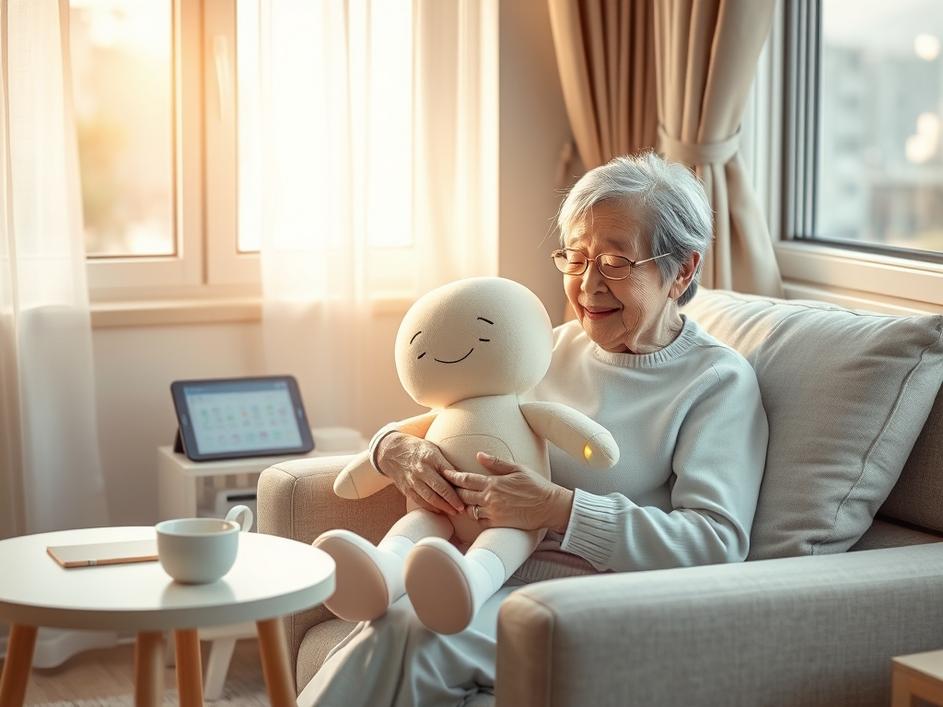
South Korea is facing a demographic shift that feels like a quiet storm. More people are living longer, and many of them end up alone in small apartments. The feeling of emptiness isn’t just a sad story; it can lead to real health problems. In response, a tech company has introduced AI‑driven companion dolls that look and feel like plush toys, but they are packed with sensors and software. The idea is simple: give seniors a friendly presence that can also keep an eye on their wellbeing. It sounds like something out of a sci‑fi movie, yet the devices are already being delivered to homes across Seoul and Busan.
Why Traditional Care Falls Short
Family members often move away for work, and nursing homes can be expensive or culturally uncomfortable. Public services are stretched thin, especially in rural areas where doctors and nurses are scarce. Because of that, many older adults spend most of their day without regular human contact. Loneliness becomes a silent disease, raising blood pressure, weakening the immune system, and even shortening life expectancy. The gap between need and supply has forced innovators to look beyond human caregivers, and that’s where these robot companions step in.
What the Robot Dolls Actually Do
The dolls are more than soft fabric. Inside, they carry microphones, cameras, and a small processor that runs a conversational AI. They can remind users to take pills, suggest a short walk, or simply ask how the day went. If a fall is detected, the doll can call emergency services and alert family members. Some models also track sleep patterns and temperature, sending the data to a cloud dashboard that doctors can review. All of this happens without the senior having to press a button; the doll listens and reacts in real time.
Human Feelings Meet Machine Logic
At first glance, it might seem odd to trust a plush toy with personal health. Yet many users report feeling a genuine bond. The doll’s voice is programmed to be calm and friendly, and it learns the owner’s preferences over weeks. That kind of adaptive interaction can trigger the brain’s reward pathways, similar to a pet or a caring friend. Researchers have observed lower cortisol levels in seniors who engage with the dolls daily. It shows that technology can tap into emotional needs, not just physical ones, and that the line between gadget and companion is getting blurrier.
Potential Pitfalls and Ethical Questions
Despite the promising signs, there are concerns. Relying on machines might reduce incentives to invest in human caregivers, leaving vulnerable people with only digital support. Privacy is another hot topic; continuous audio and video monitoring could be misused if data isn’t protected. Some critics argue that a synthetic friend can never replace the nuance of human touch, and that seniors might become overly dependent on a device that could fail or run out of power. Balancing convenience with dignity remains a delicate act.
Looking Ahead: More Than Just Gadgets
The robot dolls are still early in their lifecycle, but they hint at a broader shift in how societies will care for aging populations. If the technology proves reliable, we could see similar devices tailored for different cultures, languages, and health conditions. The goal isn’t to replace people but to fill the gaps that human resources can’t always cover. In a world where many will spend their golden years alone, a soft, listening companion might be one of the most humane inventions yet. The real test will be whether these dolls can keep the conversation going, not just for a few minutes, but for the decades that follow.
Source: Original Article






Comments are closed