

We are a digital agency helping businesses develop immersive, engaging, and user-focused web, app, and software solutions.
2310 Mira Vista Ave
Montrose, CA 91020

2500+ reviews based on client feedback
What's Included?
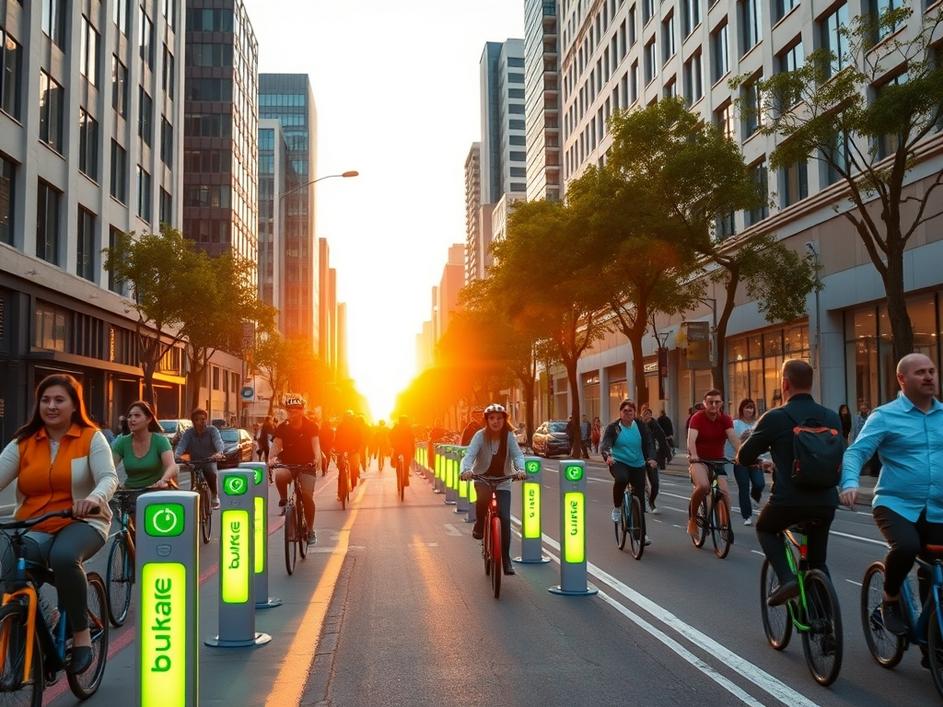
ToggleThe city council just approved a new bike‑share expansion that adds 2,000 bikes across underserved neighborhoods. This move might look like a simple addition to the existing fleet, but it signals a shift in how local officials view mobility. For years, the program has been praised for cutting down short‑car trips, yet the new rollout focuses on places where the service was almost nonexistent. By putting stations near community centers, schools, and transit hubs, the city hopes to give people a real alternative to driving. The decision came after a series of public hearings where residents complained about lack of affordable transport options. Officials say the plan is funded through a mix of federal grants, private sponsorships, and a modest increase in the user fee. While the numbers sound good on paper, the real test will be whether everyday riders actually start using the bikes instead of reaching for their cars. In this post I’ll break down why this program matters beyond the headlines and what it could mean for the city’s future. I’ll also look at the hidden challenges that often get ignored.
One of the most obvious benefits is the cut in tailpipe emissions. A single electric bike produces almost no direct pollution, and when a commuter swaps a 10‑mile car trip for a bike ride, the city saves roughly a kilogram of CO2. Multiply that by thousands of rides each day, and the numbers start to look impressive. The new stations are placed near busy corridors where traffic congestion is at its worst, meaning each bike taken off the road eases a bottleneck. That also translates into quieter streets and less noise for residents. Researchers have shown that neighborhoods with high bike‑share usage see a measurable drop in particulate matter within a year. While the climate impact alone isn’t enough to justify the expense, it adds a tangible layer of value that aligns with the city’s broader sustainability goals. The program also encourages people to think differently about short trips, nudging them toward active travel instead of defaulting to the car.
The expansion targets districts that historically have been left out of the bike‑share map. In many of these areas, the nearest dock is more than a mile away, which defeats the purpose of a quick, low‑cost ride. By installing stations within walking distance of apartment complexes and public schools, the city removes a major barrier. The pricing model has also been tweaked: a reduced monthly pass for low‑income riders and a pay‑as‑you‑go option that costs less than a single bus fare for a short trip. This makes the service competitive with other modes of transport for people who can’t afford a car or a full‑time transit pass. Community groups have praised the move, saying it gives residents more control over how they move around their own neighborhoods. It also sends a signal that public resources are being spread more fairly, which can boost trust in local government.
From a fiscal perspective, the bike‑share rollout is not just a line‑item expense; it’s a small engine that can drive other parts of the economy. The installation of new docks creates short‑term construction jobs, and the ongoing maintenance of the fleet supports a handful of full‑time technicians. More importantly, cyclists tend to spend more at nearby shops than drivers who stay in their cars. Studies from other cities have shown a 10‑15 % boost in sales for cafés and retail stores located within a block of a bike station. The program also reduces the need for expensive road repairs caused by heavy car traffic, offering long‑term savings for the municipal budget. While the initial outlay is covered by grants, the city expects to recoup a portion of the cost through increased tax revenue and lower infrastructure wear‑and‑tear. In short, the financial picture looks healthier than many critics admit.
The new bike‑share plan is a step in the right direction, but it won’t fix everything on its own. Success will depend on reliable bikes, safe lanes, and continued community engagement. If the city can keep the bikes in good shape, keep prices affordable, and pair the rollout with better cycling infrastructure, the program could become a daily habit for thousands of residents. On the flip side, neglecting maintenance or ignoring safety concerns could quickly turn riders away and waste the public money. As a rider myself, I’m hopeful that the added stations will make it easier to choose a bike over a car, especially for quick errands. The real test will be the numbers we see after six months – how many rides are logged, how many cars stay parked, and whether local businesses feel the boost. If those metrics line up, we’ll have a clear sign that the city’s gamble paid off, and other municipalities might start copying the model.


Comments are closed