

We are a digital agency helping businesses develop immersive, engaging, and user-focused web, app, and software solutions.
2310 Mira Vista Ave
Montrose, CA 91020

2500+ reviews based on client feedback
What's Included?
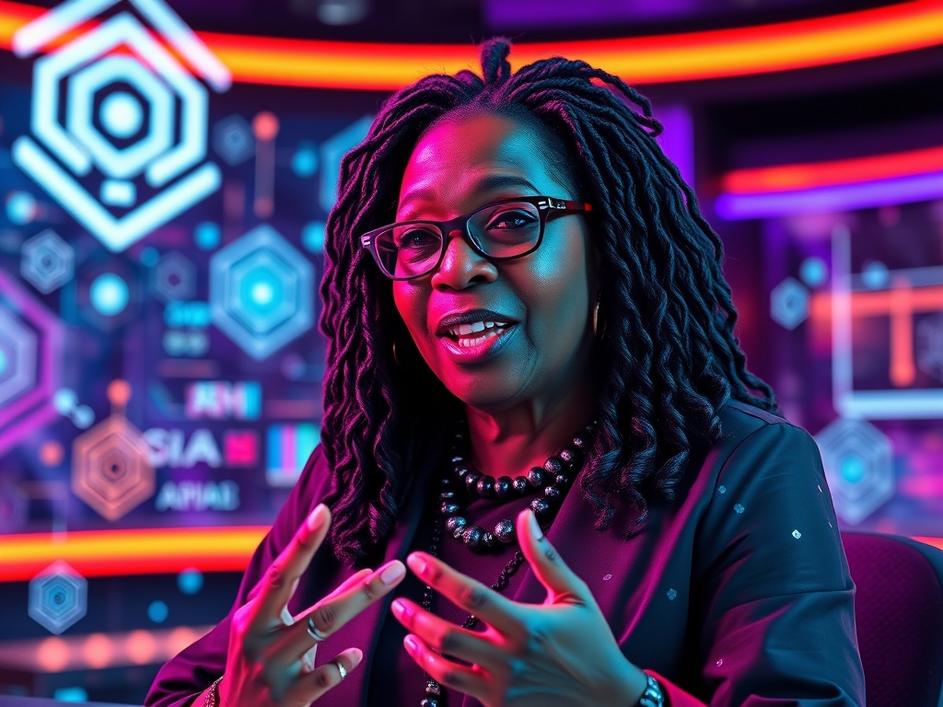
ToggleWhen a veteran like Whoopi Goldberg talks about artificial intelligence, the conversation shifts from tech‑only circles to living rooms across the country. She’s not a programmer, but she is a cultural touchstone. Her words reach people who might never read a tech blog. That’s why her recent remarks about AI caught my eye. In a short video interview she laid out a mix of curiosity and caution, pointing out both the excitement and the unease that many feel today. It’s a reminder that AI is no longer a futuristic concept; it’s already part of our daily media diet, and public figures are now being asked to weigh in.
Whoopi has spent more than five decades in front of cameras and behind the scenes. From “The Color Purple” to “The View,” she has watched the industry evolve from film reels to streaming platforms. She’s also been outspoken about social issues, using her platform to push for change. When new tech arrives, she tends to test it herself before forming an opinion. That habit makes her comments feel grounded. In past interviews she has praised the way social media can amplify marginalized voices, yet she has also warned about echo chambers. This balanced approach gives her a credible voice when she tackles AI, a tool that can amplify both good and bad at the same time.
In the clip that went viral, Whoopi said she is “watching AI like a kid watches a new video game.” She noted that the technology can create realistic images and voices, which is both fascinating and frightening. She expressed concern about deep‑fake videos that could be used to spread false information, especially in politics. At the same time, she acknowledged that AI could help writers generate ideas faster or assist actors with script analysis. Her main point was simple: we need rules that protect people without stifling creativity. She urged lawmakers to move quickly, because the pace of development feels like a sprint, not a walk.
From my perspective, Whoopi’s call for “smart regulation” hits the sweet spot. Too many tech debates get stuck in extremes—either total bans or total freedom. Her stance respects the artistic side of Hollywood while recognizing the real danger of manipulation. If a beloved actress warns about deep‑fakes, the public may start asking tougher questions about consent and authenticity. That could push platforms to label AI‑generated content more clearly. On the other hand, her optimism about AI‑assisted writing suggests she sees the tool as a partner, not a replacement. That nuance is often missing in headlines that paint AI as either a monster or a miracle.
Across the studio lot, executives are already drafting policies for AI use. Some are experimenting with AI‑driven visual effects, while others are setting up “human‑in‑the‑loop” checkpoints to verify that nothing crosses ethical lines. Actors’ unions are also entering the conversation, demanding that AI‑generated likenesses be compensated. Whoopi’s comments echo what many insiders are feeling: excitement about faster workflows, but a lingering fear that unchecked AI could erode the value of human talent. The dialogue she sparked may help align the creative community with technologists before the gap widens.
In the end, Whoopi Goldberg’s straightforward remarks remind us that AI is a tool that reflects the intentions of its users. Her blend of curiosity, caution, and a call for clear rules offers a template for anyone who wants to stay informed without becoming a technophobe. As the entertainment world continues to experiment, the voices of trusted artists will likely shape the boundaries we set. If we listen to those voices, we might end up with a future where AI amplifies human stories instead of replacing them.
The conversation isn’t limited to movie sets. Schools, workplaces, and even family gatherings are now seeing AI‑generated content. Whoopi’s public platform can help demystify the technology for people who feel left out of the tech conversation. By framing AI as something we can shape together, she encourages everyday users to demand transparency from the companies that build these tools. That grassroots pressure could be the missing piece that forces faster legislative action. In that sense, her stance is more than a celebrity opinion; it’s a call for collective responsibility.
Source: Original Article

Comments are closed