

We are a digital agency helping businesses develop immersive, engaging, and user-focused web, app, and software solutions.
2310 Mira Vista Ave
Montrose, CA 91020

2500+ reviews based on client feedback
What's Included?
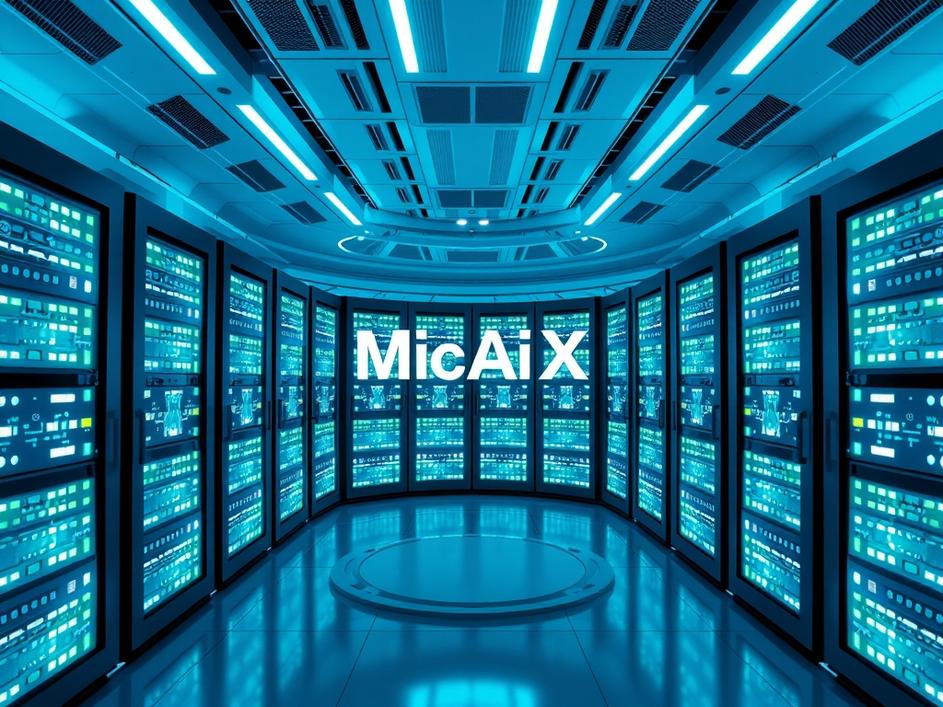
ToggleMicAi-X just shared the latest steps in its system upgrade. The company says the new design has no single point of failure. That sounds like a big promise for any tech that runs 24/7. In plain terms, if one part stops working, the whole thing keeps running. For a platform that deals with crypto assets, that reliability is a must. The announcement came as a paid press release, but the details are worth a closer look. I read the full note and thought it would be good to break it down for a wider audience.
The phrase “zero single point of failure” can sound technical. It simply means the system is built so that no single component can bring it down. MicAi-X is using a distributed architecture. Multiple nodes share the load. If one node crashes, the others pick up the slack instantly. Data is replicated across several locations, so a hardware glitch or a network hiccup does not erase anything. The design also includes automatic fail‑over mechanisms. Those are like backup plans that trigger without human input. The goal is to keep the service up, even when something goes wrong somewhere else.
The company says it is now in a “critical deployment stage.” That is a fancy way of saying the new code is being rolled out to live servers. It is no longer just a test on a sandbox. Engineers are watching the system closely, checking for bugs, and measuring performance. The stage is called critical because any mistake could affect users. MicAi-X has set up monitoring tools to catch issues early. They also have a rollback plan if something goes sideways. The timeline is tight, but the team seems confident they can finish within the next few weeks.
From my point of view, this upgrade could calm a lot of nerves. Crypto platforms have had high‑profile outages in the past. When a service goes down, users lose access to funds and trust erodes quickly. A system that can stay online even when part of it fails is a strong selling point. Investors may see this as a sign that MicAi-X is serious about long‑term stability. That could translate into more interest in the token, or at least a steadier price. On the other hand, the market often reacts to hype more than technical detail. So the real effect will depend on how well the rollout goes.
Many projects claim they have robust infrastructure, but few publish a clear roadmap like this one. MicAi-X is being open about the architecture, the stages, and the monitoring tools. That level of transparency is rare. Competitors often keep their upgrades under wraps until after launch. By sharing the plan now, MicAi-X invites scrutiny and builds confidence. The distributed design also matches what big cloud providers do, but MicAi-X is doing it on its own terms. That could give it more control over costs and security.
Nothing is without risk. Deploying a new architecture at scale is hard work. Even with automated tests, unexpected bugs can appear when real users start to interact with the system. There is also the question of how quickly the fail‑over mechanisms can react. If the switch is slow, users might still see delays. Moreover, a distributed system needs constant coordination between nodes. Network latency or mis‑configurations could cause data inconsistencies. MicAi-X will need a strong ops team to keep an eye on these moving parts. Finally, the upgrade may require users to update their own software, which can be a hurdle.
I think the move is a positive sign. It shows MicAi-X is not resting on past achievements. Building a system without a single point of failure is a solid engineering goal. If they pull it off, the platform will be more reliable for everyday users. That reliability could become a competitive edge in a crowded market. Still, I would watch the rollout closely. Early reports from the critical deployment stage will tell whether the theory holds up in practice. I would also keep an eye on how the community reacts. A smooth launch could boost confidence, while a rocky start could set back the project.
In the end, MicAi-X’s upgrade is a reminder that the crypto space still needs solid engineering. Fancy tokens and hype can only go so far without a stable backbone. The zero‑failure design aims to give users a smoother experience, and that is something many platforms could learn from. Whether this will lead to a bigger market share or just a steadier operation remains to be seen. I’ll be watching the next updates, and I hope the deployment lives up to the promises. If it does, we might see a new benchmark for reliability in crypto services.
Source: Original Article


Comments are closed