

We are a digital agency helping businesses develop immersive, engaging, and user-focused web, app, and software solutions.
2310 Mira Vista Ave
Montrose, CA 91020

2500+ reviews based on client feedback
What's Included?
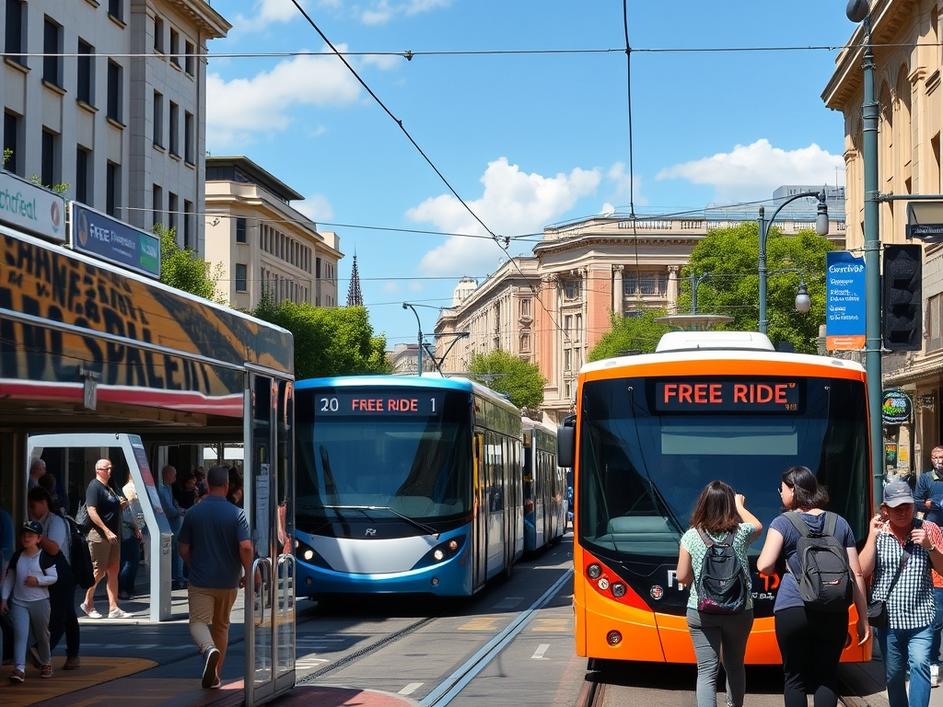
ToggleLast week the mayor of Greenfield announced a plan that caught many people by surprise. Starting next month, every bus, tram and subway in the city will be free to ride. No tickets, no cards, just hop on and go. The city council says the move is meant to cut traffic, lower emissions and give residents a better quality of life. The budget for the program is being funded by a mix of state grants and a modest increase in property taxes. The announcement sparked a flurry of reactions on social media, with some calling it a daring experiment and others warning of hidden costs. Either way, the city is about to try something most places only talk about.
The free‑fare system will roll out in three phases. In the first week, all regular routes will be fare‑free, while express lines stay unchanged. By the third week, the entire network will be covered. Riders won’t need to tap a card; they just board and ride. The city will install new signage at every stop to remind people that the service is now free. To keep track of usage, sensors will count boardings anonymously. The data will help officials tweak schedules and see where more buses are needed. The funding model relies heavily on a new “green levy” added to property tax bills, which is expected to bring in about $12 million a year.
For many people in Greenfield, the change feels like a breath of fresh air. Low‑income families, students and seniors will save hundreds of dollars each month. Workers who live far from the city center can now consider jobs that were previously out of reach because of the commute cost. A commuter who used to drive 30 minutes each way told me that the free bus will let her spend more time with her kids. The city also expects a shift in travel habits. Early surveys suggest that up to 25 % of car drivers might switch to public transport once they see the convenience and price tag disappear. That could mean less congestion on the main highways.
Beyond the obvious savings for riders, the free‑fare plan could stir the local economy. Retail shops near transit hubs often see more foot traffic, and that trend should grow when more people are on the streets instead of in cars. Restaurants, cafés and small boutiques could see a noticeable bump in sales. Moreover, the city hopes the policy will attract new businesses that value sustainable transport options for their employees. A tech startup recently told the mayor it is considering opening an office downtown because the free transit makes hiring easier. On the flip side, some taxi drivers worry about losing income, and the city has promised a small compensation package for those who switch to rideshare platforms.
Not everyone is cheering. Critics argue that the program could strain the transit authority’s budget in the long run. They point out that fare revenue currently covers about 30 % of operating costs, and replacing that with a levy may not be enough if ridership spikes dramatically. There are also concerns about overcrowding on popular routes, especially during rush hour. Some residents fear that the free system could attract “transit tourists” who use the service just to explore the city without contributing to the local tax base. The city council has scheduled a public hearing next month to address these worries and to discuss possible adjustments, such as limiting free rides to peak hours or adding a small surcharge for tourists.
Only time will tell if Greenfield’s gamble pays off. The first few weeks will be a real test of how people respond, how the system handles the surge and whether the funding holds steady. If the city can keep buses on time and avoid severe crowding, the model could inspire other municipalities to follow suit. If problems arise, the council may need to tweak the plan or even roll back the free‑fare policy. Either way, the experiment puts Greenfield in the spotlight and forces a conversation about how we move around our towns. It’s a bold move, and it shows that local leaders are willing to try new ideas when they think it will help their community.


Comments are closed