

We are a digital agency helping businesses develop immersive, engaging, and user-focused web, app, and software solutions.
2310 Mira Vista Ave
Montrose, CA 91020

2500+ reviews based on client feedback
What's Included?
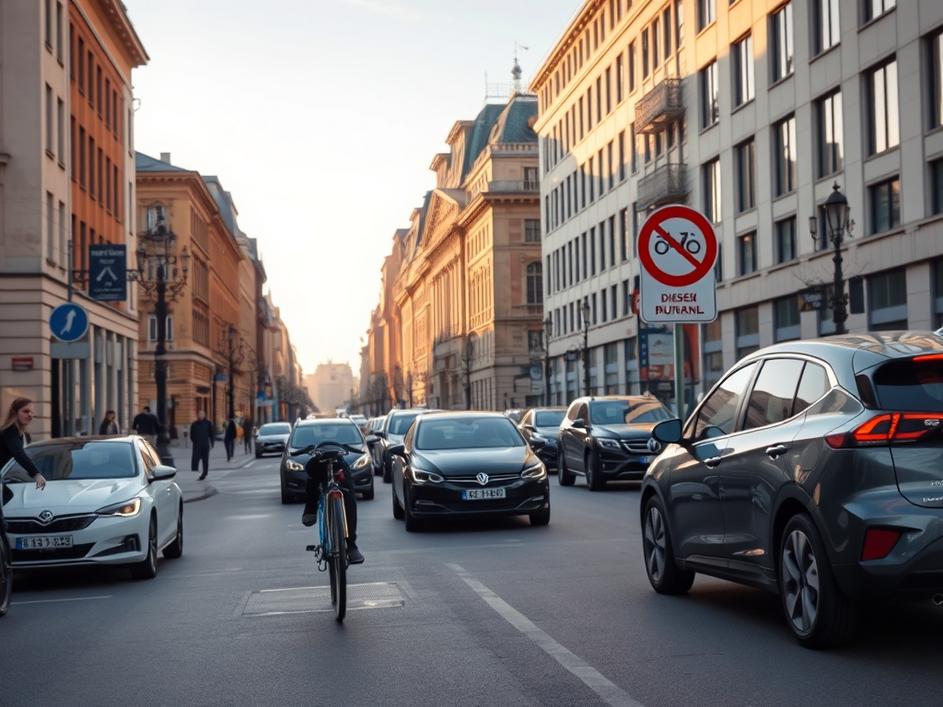
ToggleBerlin just told drivers that diesel cars will no longer be allowed in the city centre after next summer. The rule is part of a broader plan to clean up the streets and push people toward cleaner transport. It sounds simple on paper, but the details are anything but. The city says the ban will start with a 30% fee on diesel vehicles, then move to a full prohibition two years later. That gives owners some time to adjust, but also puts pressure on anyone who thought their old diesel was safe for the long run. The news hit the headlines this week, and residents are already talking about how it will affect daily life.
Officials say the move comes after years of rising health complaints linked to air pollution. Studies show that tiny particles from diesel exhaust can irritate lungs and even trigger heart problems. Berlin’s health department recorded a steady climb in asthma cases among children living near busy roads. The city also wants to meet EU climate targets that demand a cut in emissions by 2030. By targeting diesel, which makes up a large share of the traffic mix, they hope to shave off a noticeable amount of carbon and nitrogen oxides. The policy is not just about the environment; it’s also about public health.
For most people, the ban means rethinking how they get around. Some will trade their diesel for an electric bike or a public‑transport pass. Others might look at car‑sharing services that already use electric fleets. The city has promised subsidies for low‑income households to help cover the cost of a new vehicle or a monthly transit ticket. Still, many worry about the upfront price of an electric car. Even with a discount, the sticker shock can be real. That’s why the phased approach matters – it gives people a chance to save up or find alternatives before the final deadline hits.
Local businesses have mixed feelings. Delivery companies rely heavily on diesel vans because they are cheap to run and have a long range. A sudden ban could force them to replace fleets faster than planned, raising operational costs. On the other hand, some startups see an opportunity. Companies that sell charging stations or electric scooters are already gearing up for a surge in demand. The city council has hinted at tax breaks for firms that invest in green logistics. If those incentives hold up, the transition could actually create new jobs in the green tech sector, balancing out some of the losses.
Cutting diesel from the city centre should lower particulate matter by a noticeable margin. Early models predict a drop of up to 20% in fine‑dust levels within the first year of the ban. That translates to clearer skies and fewer days when schools have to close because of smog. It also means the river that runs through Berlin will see less oil and soot settling into the water. While the numbers sound good, the real test will be how quickly people move to cleaner options. If many just switch to gasoline cars, the overall benefit could be smaller than expected.
In the end, Berlin’s diesel ban is a big experiment. It forces a city that has long relied on cars to think differently about mobility. The success will depend on how well the city supports people who need help making the switch. It will also hinge on whether businesses can adapt without hurting their bottom line. If the plan works, other European capitals may follow suit, accelerating the shift toward cleaner streets across the continent. For now, residents can expect a few bumps on the road, but also a chance to breathe easier in the years to come.


Comments are closed