

We are a digital agency helping businesses develop immersive, engaging, and user-focused web, app, and software solutions.
2310 Mira Vista Ave
Montrose, CA 91020

2500+ reviews based on client feedback
What's Included?
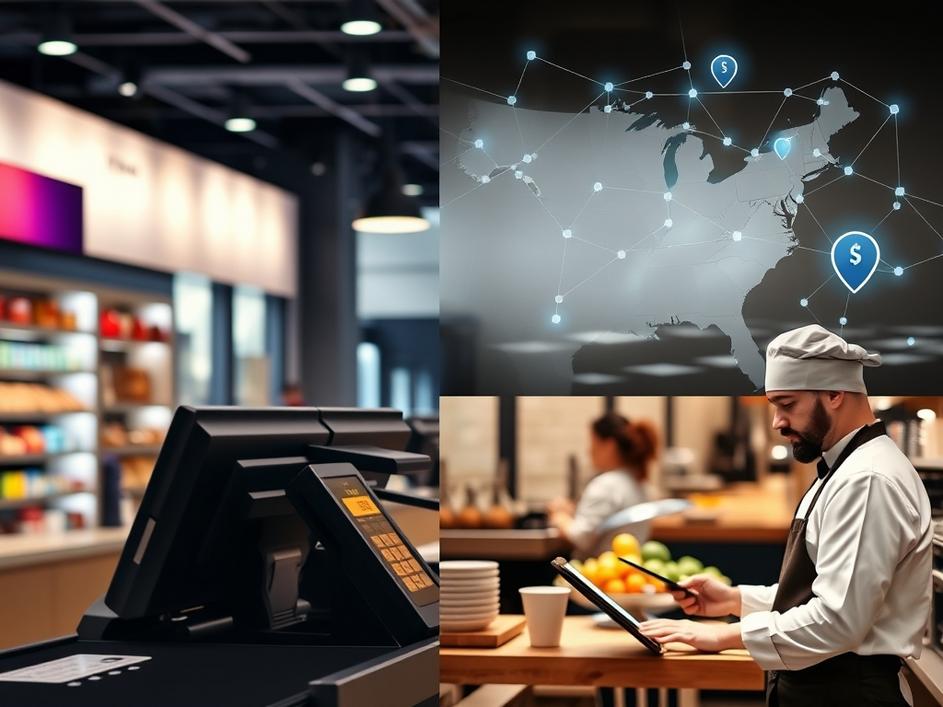
ToggleLevata just announced that it is buying POSDATA, a company that specializes in payment terminal distribution and encryption key injection. This isn’t just another headline about a tech merger; it’s a clear signal that Levata wants to own more of the payment chain from the point of sale all the way to the back‑office. By adding a certified distribution network and the ability to inject encryption keys directly into devices, Levata can now offer merchants a one‑stop shop for hardware, software, and security. The move also gives the company a coast‑to‑coast rollout capability, something that many smaller players in the space still lack. In plain terms, Levata is positioning itself to be the go‑to partner for any retailer or restaurant that wants a smooth, secure checkout experience.
POSDATA isn’t a brand new startup; it has spent years building a network of certified payment terminals that meet the toughest industry standards. Its core services include the physical distribution of devices, the injection of encryption keys that protect transaction data, and a proven process for deploying these solutions across an entire country. All of that is backed by a team that knows how to keep up with PCI compliance and the ever‑changing rules around card‑present transactions. For Levata, this means an immediate upgrade in capability: instead of relying on third‑party distributors, it can now control the whole supply chain, reduce costs, and guarantee that every terminal it installs meets the highest security benchmarks.
Before the deal, Levata was already known for its software platforms that help retailers manage inventory, loyalty programs, and omnichannel sales. Adding POSDATA’s hardware expertise creates a more complete ecosystem. A restaurant that uses Levata’s ordering system could now order a fully integrated payment terminal that arrives pre‑configured, encrypted, and ready to use. A boutique clothing store could get a single invoice for both the point‑of‑sale software and the physical devices, simplifying budgeting and support. This tighter integration also opens the door for Levata to bundle data analytics with transaction data, giving merchants deeper insight into buying patterns without having to stitch together multiple vendors.
In the crowded payments arena, a few big players dominate hardware distribution, while dozens of niche software firms try to attach themselves to those networks. Levata’s move blurs that line. Competitors that only sell software may now have to consider partnering with hardware distributors, or risk losing merchants who prefer an all‑in‑one solution. On the flip side, traditional hardware distributors could see pressure to upgrade their own security services to stay relevant. For merchants, the upside is clear: fewer contracts, fewer points of failure, and a single vendor that can promise a consistent experience from the cash register to the back‑office reporting tools.
Integrating two companies is never a walk in the park. Levata will need to merge POSDATA’s logistics network with its own, align different corporate cultures, and ensure that the newly combined security processes meet every regulator’s expectations. There’s also the question of technology compatibility; legacy terminals in the field may need firmware updates or even replacement to work with Levata’s cloud services. Finally, the payments industry is heavily regulated, and any misstep in key injection or data handling could attract fines or damage trust. Levata’s leadership will have to keep a tight leash on compliance while still moving quickly enough to capture market share.
Overall, the acquisition feels like a logical next step for Levata rather than a flashy headline grab. By owning both the software that drives sales and the hardware that processes payments, Levata can offer merchants a smoother, more secure checkout experience. If the integration goes well, we could see a new benchmark for what a “complete payments solution” looks like—one that reduces friction for merchants and keeps customer data safer. The real test will be whether Levata can deliver on that promise without getting tangled in the complexities of hardware logistics and regulatory compliance. Time will tell, but the move certainly puts Levata on a faster track toward becoming a central player in the retail and hospitality payments landscape.
Source: Original Article



Comments are closed