

We are a digital agency helping businesses develop immersive, engaging, and user-focused web, app, and software solutions.
2310 Mira Vista Ave
Montrose, CA 91020

2500+ reviews based on client feedback
What's Included?
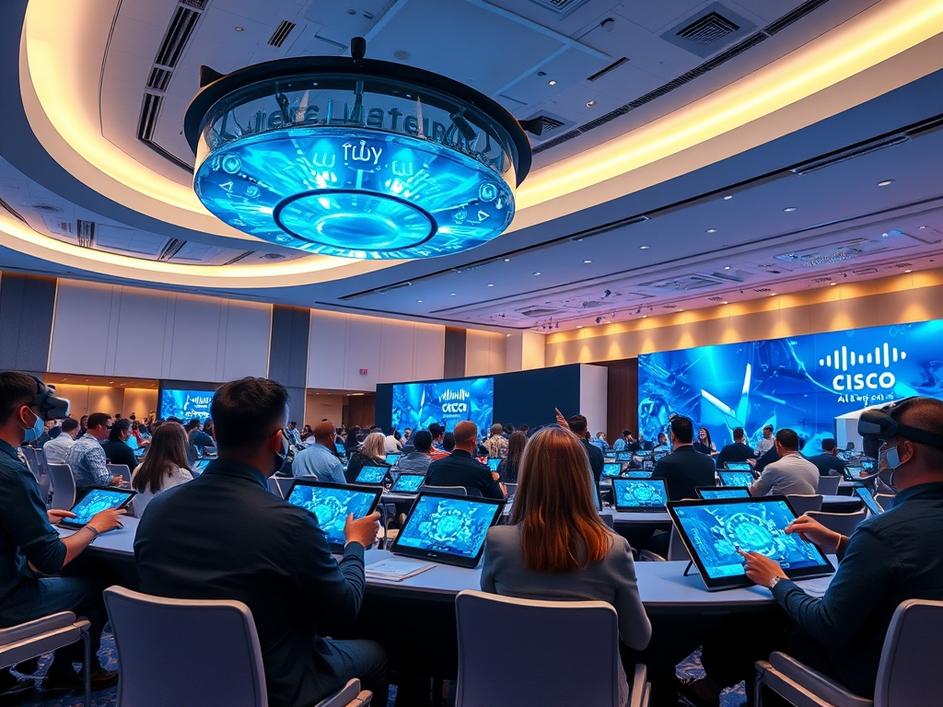
ToggleCisco Live 2026 kicked off with a clear message. The company wants its AI platform to be the glue that holds together every kind of teamwork tool. From video calls to shared whiteboards, the plan is to let artificial intelligence do the boring parts. That means real‑time transcription, automatic note taking, and smart suggestions that appear right when you need them. The event felt like a preview of a future where you barely have to type or click, because the system already knows what you’re trying to do. Attendees walked away with the sense that Cisco is not just adding AI as an afterthought, but weaving it into the core of how people collaborate.
The biggest surprise was how deep the AI integration goes inside Webex. Cisco showed a demo where a meeting assistant listened, highlighted key decisions, and even drafted follow‑up emails while the conversation continued. The assistant can pull data from company knowledge bases, suggest relevant documents, and flag compliance risks without anyone asking. Those features are powered by the same AI engine that runs Cisco’s network analytics, so the system learns from both traffic patterns and user behavior. In practice, that could mean fewer misunderstandings and faster turn‑around on projects, because the AI quietly does the legwork that usually falls on a human.
Microsoft, Zoom, and Google have all been pushing AI into their meeting suites, but Cisco’s angle is different. Rather than treating AI as a bolt‑on, Cisco is positioning it as a platform that other vendors can plug into. That opens the door for third‑party developers to build niche tools that sit inside the same AI‑powered environment. For businesses, the promise is a more seamless experience across different apps and devices. It also gives Cisco a chance to lock in customers who want a single, secure AI backbone instead of juggling multiple subscriptions.
From a developer’s perspective, Cisco’s new AI platform feels like an open playground. The company announced a set of APIs that let you tap into transcription, sentiment analysis, and automated workflow triggers. Imagine a sales team that gets a live summary of a client call and a CRM entry is created automatically, or a support desk that receives instant ticket suggestions based on a customer’s spoken issue. IT teams also get a unified policy layer, so security and data‑governance rules can be applied consistently across all AI‑enabled services. That could lower the overhead of managing multiple tools and make compliance audits less painful.
No technology rollout is without bumps. One concern is how much data the AI needs to work well, and where that data lives. Companies that handle sensitive information will want strict controls over what the AI can see and store. Cisco says it will keep processing on‑prem or in a private cloud, but the details will matter to regulators. Another hurdle is user adoption; people can be wary of a system that “listens” to every meeting. Clear communication about privacy, opt‑out options, and the tangible benefits will be key to getting teams on board. Finally, the AI must stay reliable – a missed transcription or a wrong suggestion can quickly erode trust.
Overall, Cisco Live 2026 painted a picture of collaboration that feels almost effortless. By embedding AI at the foundation of its platform, Cisco hopes to make meetings shorter, decisions clearer, and workflows smoother. Whether the vision becomes reality will depend on how well the technology respects privacy, how easy it is to extend, and whether users actually feel the time saved. If Cisco can pull all those pieces together, the next few years could see a workplace where AI quietly handles the grunt work, leaving people free to focus on creativity and problem solving. That would be a welcome shift for anyone who’s ever left a meeting wondering what the next step was.
Source: Original Article



Comments are closed