

We are a digital agency helping businesses develop immersive, engaging, and user-focused web, app, and software solutions.
2310 Mira Vista Ave
Montrose, CA 91020

2500+ reviews based on client feedback
What's Included?
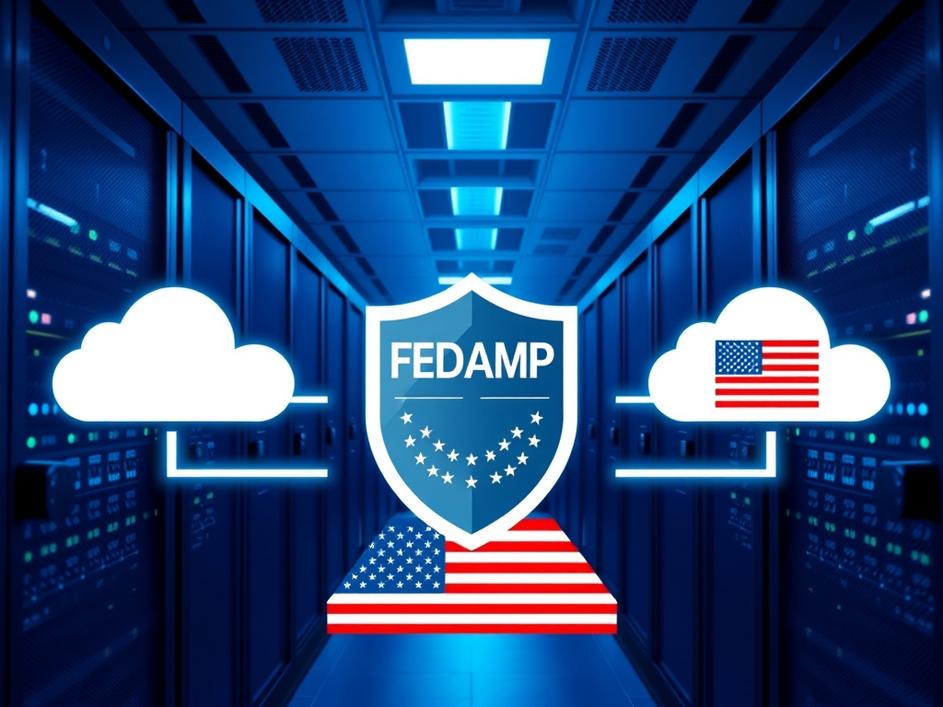
ToggleSAP NS2 just told the world that its security‑focused cloud suite is now generally available in a FedRAMP+ Impact Level 5 environment. That is the highest level of certification the U.S. government uses for cloud services that handle the most sensitive data. Getting this clearance means the suite passed a long list of checks from the Defense Information and Systems Agency. It also shows SAP is willing to play in the same sandbox as the biggest defense contractors and federal agencies. For anyone who follows cloud security, this feels like a big step forward. The news came out of Herndon, Virginia, on June 15, 2026, and it has already sparked conversation among IT leaders in the public sector.
FedRAMP is the government’s program that standardizes security requirements for cloud providers. The “+” adds extra controls that the Department of Defense requires for classified workloads. Impact Level 5 is the tier that protects Controlled Unclassified Information and some lower‑level classified data. To reach this tier, a service must show strong encryption, continuous monitoring, and strict access controls. The process can take years and many providers never get there. So when SAP NS2 says it has the provisional authorization from DISA, it signals that the suite can be trusted with data that would normally stay on isolated government networks. That opens the door for agencies to move more workloads to the public cloud without breaking compliance rules.
The solution bundle includes a set of tools for identity management, data protection, and threat detection. It is built on SAP’s existing enterprise software stack, so it can talk to SAP ERP, S/4HANA, and other business apps without a lot of custom coding. The suite also provides a secure API gateway that lets developers connect cloud‑native services while keeping traffic encrypted end‑to‑end. Another key piece is the automated compliance dashboard that shows real‑time status against FedRAMP controls. This helps security teams spot gaps before they become problems. In short, the package is designed to let a government organization run its business processes in the cloud and still meet the toughest security standards.
With this authorization, a defense department or a civilian agency can start moving workloads that were stuck on legacy data centers. They can use the same SAP tools they already know, but now they get the added comfort of a FedRAMP‑approved cloud. That means faster procurement cycles, because the security review is already done. It also reduces the need for costly on‑prem hardware, which many agencies are trying to retire. The continuous monitoring built into the suite gives IT staff a clearer picture of what’s happening at any moment. For smaller agencies that lack deep security expertise, the pre‑validated environment can act as a safety net, letting them focus on mission work instead of building security from scratch.
SAP’s move puts pressure on other big cloud players to push their own FedRAMP+ offerings. Amazon, Microsoft, and Google already have Level 5 authorizations, but they often target broader commercial markets. SAP is carving out a niche by tying its security suite tightly to its enterprise applications. That could attract customers who want a single vendor for both business software and a compliant cloud. In the longer run, we may see more cross‑industry collaborations, where defense contractors partner with cloud providers to embed specialized workloads. The announcement also hints that SAP might expand the suite to handle higher classification levels, perhaps even Level 6, which would cover top‑secret data. If that happens, the cloud could become the default home for even the most sensitive government workloads.
Getting general availability in a FedRAMP+ Impact Level 5 environment is more than a badge. It signals that SAP NS2 has built a platform that can survive the toughest audits and still be usable for everyday business tasks. For federal IT leaders, it offers a practical path to modernize without sacrificing security. For the cloud market, it adds another serious contender to the high‑security arena. The real test will be how quickly agencies adopt the suite and whether SAP can keep the compliance posture up as threats evolve. If they manage that, we could be looking at a new era where sensitive government data lives safely in the public cloud, and that would be a win for everyone.
Source: Original Article


Comments are closed