

We are a digital agency helping businesses develop immersive, engaging, and user-focused web, app, and software solutions.
2310 Mira Vista Ave
Montrose, CA 91020

2500+ reviews based on client feedback
What's Included?
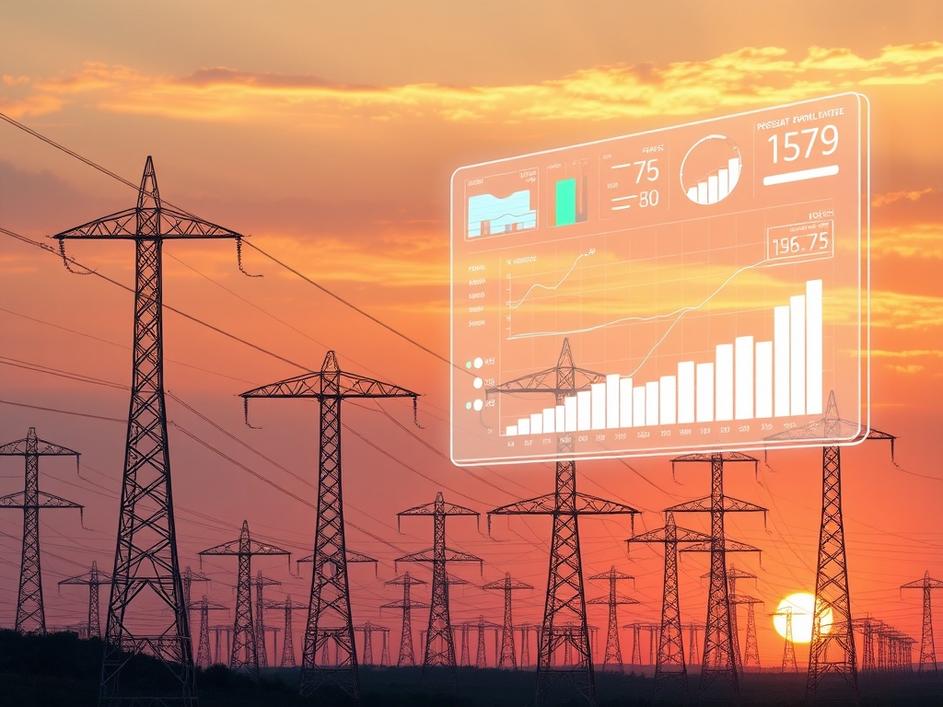
ToggleGE Vernova just announced a new software suite called GridOS for Transmission. The name sounds technical, but the idea is simple. It is a set of tools that helps the owners of high‑voltage lines see what’s happening on the grid in real time. Think of it as a dashboard that pulls together data from sensors, weather feeds, and market signals. The platform then runs a set of calculations to point out potential problems before they become outages. The timing feels right because more wind and solar farms are feeding power into the system, and the old ways of managing lines are starting to look rusty. GridOS tries to give operators a clearer picture, so they can make quicker decisions and keep the lights on.
The core of GridOS is a data‑integration engine. It gathers information from thousands of devices that sit on transmission towers, substations, and even from satellites that watch the weather. All that raw data is cleaned, matched, and stored in a cloud‑based warehouse. From there, a set of predictive models runs every few minutes. Those models look for patterns that usually precede a fault, such as a sudden temperature swing or a line that is approaching its thermal limit. When the system spots a risk, it sends an alert to the control center with a suggested action, like re‑routing power or adjusting tap changers. The user interface is built to be simple, with maps, charts, and short text notes that operators can understand at a glance.
Reliability is the biggest selling point of GridOS. By catching issues early, the platform can reduce the number of forced outages that happen when a line overheats or a breaker fails. Fewer outages mean less downtime for homes and businesses, and that translates into lower costs for utilities and their customers. The system also helps balance the flow of electricity when renewable sources are unpredictable. If a cloud cover drops solar output, GridOS can suggest moving power from another region to keep the voltage stable. In short, the software aims to make the grid more flexible and less prone to sudden shocks.
When the announcement hit the wires, GE Vernova’s stock ticked up a few percent. Investors seem to like the idea of a new revenue stream that leans on software rather than just hardware sales. The energy sector has been looking for ways to add digital services to its portfolio, and GridOS fits that bill. Analysts note that the subscription model could bring steady cash flow, especially if utilities sign multi‑year contracts. However, they also warn that the real test will be how quickly the platform can be rolled out across the many different grid operators that have their own legacy systems.
No new technology is free from risk. One big question is how easily existing control rooms will adopt a cloud‑based tool. Some operators are still running on on‑premise hardware that is decades old, and getting them to trust a third‑party software platform may take time. Cybersecurity is another concern. A system that talks to thousands of devices and sits in the cloud could become a target for hackers. GE Vernova will need strong safeguards and clear protocols to keep the data safe. Finally, the accuracy of the predictive models matters. If the alerts are too frequent or not reliable, operators might start ignoring them, which would defeat the purpose.
From where I sit, GridOS feels like a natural step for an industry that has been slow to adopt modern software practices. The power grid is aging, but the demand for clean energy is growing fast. A tool that can stitch together data, run quick analyses, and give clear recommendations could help bridge that gap. It won’t solve every problem, but it adds a layer of intelligence that many utilities have been missing. If GE Vernova can prove the platform works at scale and keep it secure, we might see more companies follow suit, turning the grid into a smarter, more resilient network.
Source: Original Article

Comments are closed