

We are a digital agency helping businesses develop immersive, engaging, and user-focused web, app, and software solutions.
2310 Mira Vista Ave
Montrose, CA 91020

2500+ reviews based on client feedback
What's Included?
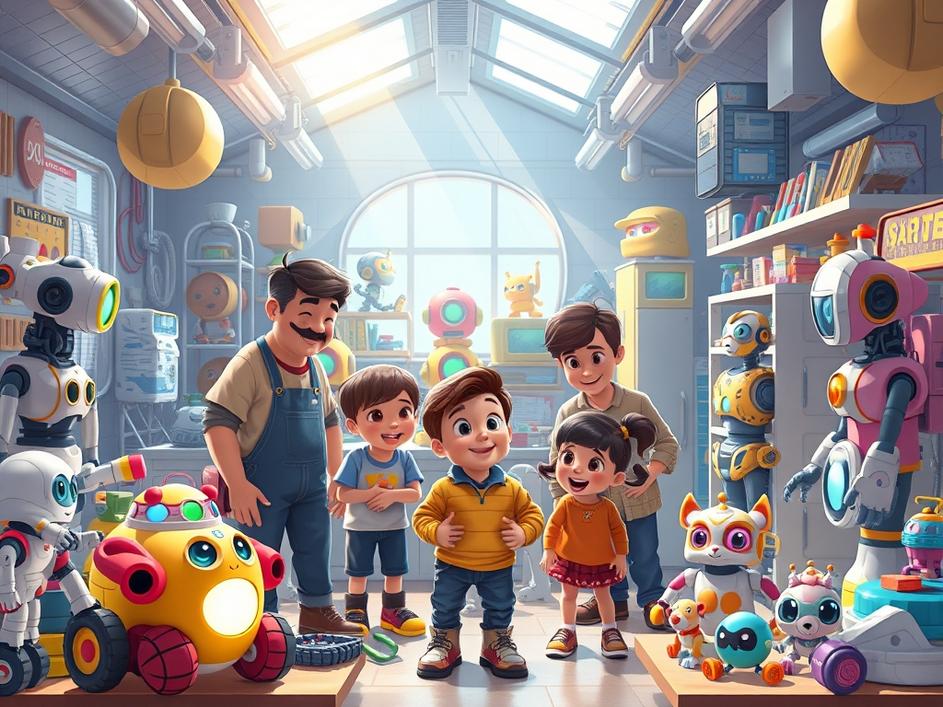
ToggleYesterday I stumbled on a story that felt more like a cartoon than a press release. A handful of companies rolled out a new line of smart toys that talk, move, and even learn from their owners. The article called it a “tech Toy Story” and I could not agree more – the whole scene feels like a modern version of the classic movie, only with Wi‑Fi and AI instead of cowboy hats. What struck me was how quickly these products moved from the lab bench to the living room shelf. The excitement in the room was palpable, like kids opening a present on Christmas morning. It reminded me that technology, at its core, is still about wonder and curiosity, not just specs and price tags.
The market right now looks like a giant, colorful toy box. You have everything from miniature robots that can solve a Rubik’s Cube to plush animals that can read bedtime stories in multiple languages. Companies are mixing hardware and software in ways that feel more like play than work. This shift is partly driven by the fact that younger generations grew up with tablets and voice assistants, so they expect interactivity as a given. At the same time, older consumers are drawn to the novelty of having a companion that can respond to jokes or remind them to take their medication. The result is a blend of fun and function that blurs the line between gadget and toy.
Behind every smart toy is a team of engineers, designers, and marketers who act like the cast of a movie. The engineers are the inventors, tinkering with sensors and algorithms to make a toy react in a believable way. Designers add the personality – a cheeky voice, a bright color palette, a friendly face – that makes the device approachable. Marketers then craft the story that sells it, often borrowing language from beloved childhood movies to tap into nostalgia. Watching this process unfold feels like watching a behind‑the‑scenes documentary, where each department plays a crucial role in bringing the final character to life.
For most of us, the impact is subtle but meaningful. A smart plush that can tell a bedtime story in a soothing tone can help parents wind down a hectic evening. A robot that can roll around and respond to simple commands can become a teaching tool for basic coding concepts. Even adults find value in having a device that can remind them of appointments or suggest a new recipe based on what’s in the fridge. The key is that these products are designed to fit into daily routines without demanding a steep learning curve. They aim to be as intuitive as a favorite board game, letting users focus on the experience rather than the setup.
From a business perspective, the “toy” label opens up new revenue streams. Subscription services for content updates, in‑app purchases for extra features, and seasonal limited‑edition releases all add layers of profit beyond the initial hardware sale. Companies also benefit from cross‑promotions with popular media franchises, turning a simple robot into a collectible tied to a blockbuster film. However, the model isn’t without risk. If the novelty wears off quickly or the device fails to deliver on its promises, returns and negative reviews can hurt brand reputation. Still, the gamble seems worth it for many, as the market shows a willingness to spend on products that blend fun with utility.
So where does this tech‑toy trend go from here? I think we’ll see more integration of AI that can adapt to individual personalities, making each device feel uniquely personal. At the same time, privacy concerns will become louder, especially as toys collect more data about children’s habits and preferences. Balancing the joy of interactive play with responsible data handling will be the next big challenge. If companies can navigate that line, the future could hold a world where our homes are filled with friendly, helpful companions that make daily life a little brighter. Until then, it’s fun to watch the industry play out its own version of Toy Story – complete with heroes, sidekicks, and a few surprises along the way.
Source: Original Article



Comments are closed